Always Tired? Women's Sleep, Hormones, and Insomnia
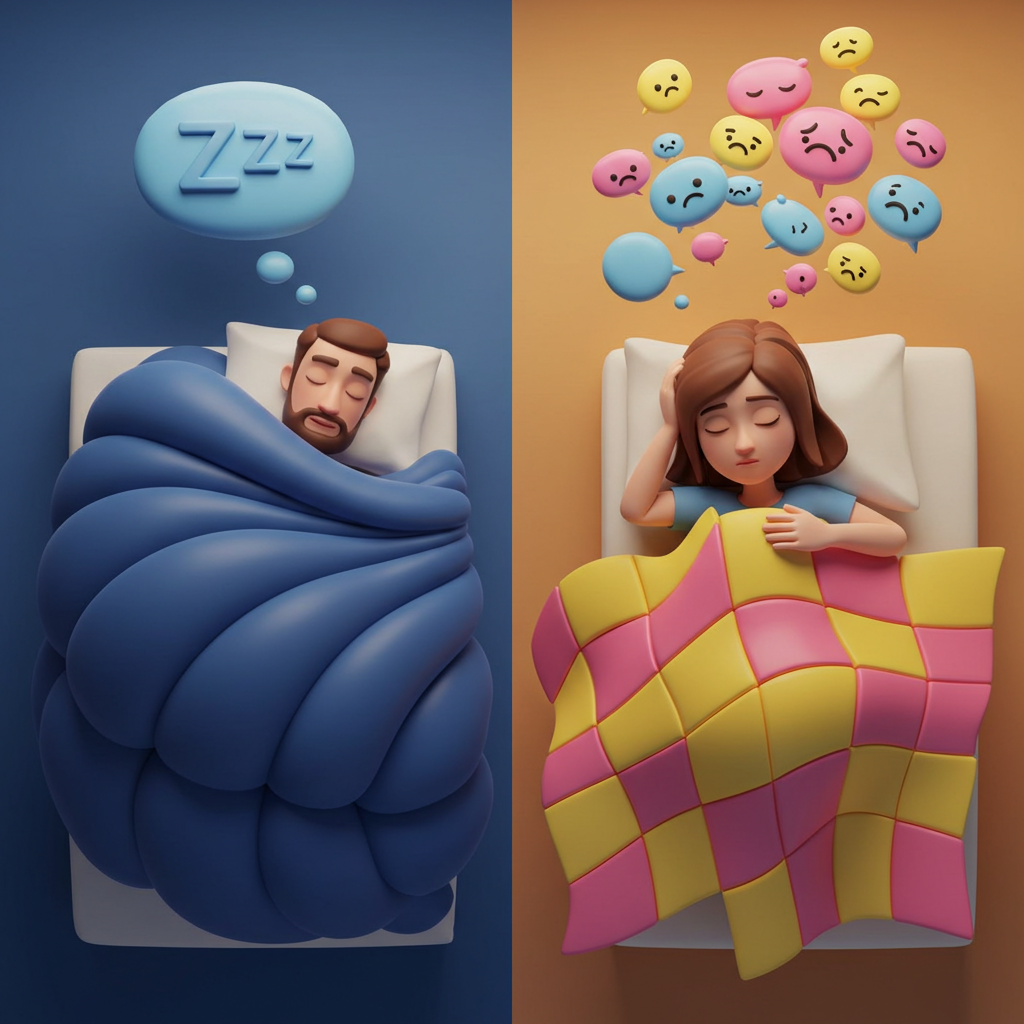
Have you ever wondered why, even after seemingly getting enough hours, you wake up feeling utterly drained? If you are a woman, the answer might be rooted in biology and social expectations.
Research confirms a hidden truth in health: women are consistently more susceptible to sleep disturbances and may, by physiological necessity, require more restorative rest than men. Sleep disorders like insomnia and Restless Legs Syndrome (RLS) are notably more prevalent and complex in women. This isn't just bad luck; it’s the result of two powerful forces colliding: our ever-changing reproductive hormones and the disproportionate burden of caregiving.
Women are 1.8 times as likely as men to report that they rarely or never feel well-rested upon waking. Here’s a deep dive into why women often struggle for restorative sleep and what we can do about it.
The Biological Burden of Fluctuating Hormones
The female endocrine system—and the massive shifts in estrogen and progesterone—directly impacts the neurobiological pathways that regulate sleep and mood across the entire lifespan.
1. The Monthly Cycle
Sleep complaints often start in adolescence and remain high through the reproductive years.
The Progesterone Drop: Progesterone is a natural sedative. When its levels decline steeply during the late luteal phase (the week or two leading up to menstruation), sleep disruption surges, increasing awakenings and difficulty staying asleep.
Insomnia Risk: This hormonal drop is a key reason women exhibit a 58% higher odds ratio for insomnia compared to men.
PMS/PMDD: Those with Premenstrual Syndrome (PMS) or Premenstrual Dysphoric Disorder (PMDD) experience even more intense restless sleep and reduced responsiveness to the sleep hormone melatonin.
2. Pregnancy and Postpartum
Pregnancy is a critical juncture for sleep health, with issues often peaking in the final months.
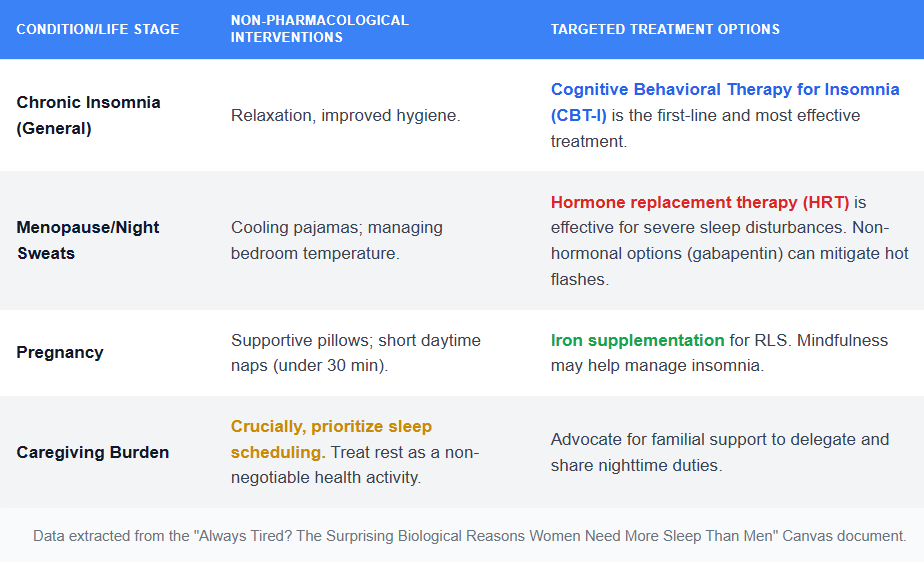
Third Trimester Insomnia: An estimated 40% of pregnant people experience insomnia symptoms by the third trimester. This is compounded by physical discomforts like back pain, heartburn, frequent nighttime bathroom breaks, and fetal movement.
Restless Legs Syndrome (RLS): This uncomfortable urge to move the legs affects up to 20% of pregnant women, often driven by hormonal imbalances and iron deficiencies.
Lasting Effects: Poor sleep during this time is linked to risks such as preeclampsia and often persists into the postpartum period due to the demands of caring for a newborn.
3. The Menopausal Transition
Menopause marks a sharp escalation in sleep struggles, with up to 60% of perimenopausal women reporting disturbances.
Night Sweats are the Culprit: The erratic decline of hormones leads to vasomotor symptoms (hot flashes and night sweats), which affect 40−56% of women and cause frequent nocturnal awakenings and fragmented sleep.
Increased RLS and OSA: The loss of estrogen's protective effects on airway patency raises the likelihood of developing conditions like Obstructive Sleep Apnea (OSA), in addition to higher incidences of RLS and chronic insomnia.
The Social Burden—Why Women May Need More Rest
Beyond biology, societal pressures place a heavy, fragmenting burden on women's rest, suggesting a need for more time dedicated to recovery.
The Unpaid "Night Shift"
Women, especially mothers and informal caregivers, disproportionately shoulder the burden of the "night shift," which includes nighttime caregiving and household responsibilities.
Buffering Sleep: Studies show mothers are considerably more likely to get up at night to provide care, effectively "buffering" the sleep of fathers. This chronic, interrupted sleep generates serious sleep fragmentation.
The Stress Loop: Up to 76% of caregivers report poor sleep quality, with a significantly higher proportion among female caregivers. This caregiving stress leads to anxiety and depression, which are notorious for worsening sleep quality.
The Fragmentation Paradox: Though women may log slightly more total sleep time, their rest is less restorative. This lack of deep, continuous sleep is why they are so much more likely to feel unrested upon waking. The body needs more time to recover from fragmented sleep.
Practical Advice & Treatment Options
Universal Sleep Hygiene Tips
Keep It Consistent: Go to bed and wake up at the same time every day to align your circadian rhythms.
Create a Sanctuary: Keep your bedroom cool, dark, and quiet.
Establish a Routine: Use relaxation techniques like gentle yoga, meditation, or reflective journaling to reduce stress before bed.
Targeted Treatments for Women's Health
Specific Considerations for Transgender Individuals
Transgender and gender non-conforming (TGNC) individuals face a significantly higher prevalence of sleep disorders, including insomnia and sleep apnea. This is largely linked to minority stress, anxiety, and gender dysphoria.
Gender-Affirming Therapy (GAT): Interestingly, GAT may have a protective effect against sleep disorders in TGNC youth by improving mental health.
Hormone Monitoring: While beneficial, hormone therapy requires monitoring, as testosterone use in trans men may increase the risk of sleep apnea, and estrogen in trans women can also cause changes (like fat redistribution) that affect the airway.
Integrated Care: Clinicians should routinely screen TGNC patients for sleep disorders and co-occurring mental health issues.
By understanding the powerful combination of biological volatility and unavoidable social burdens, we can move toward implementing targeted, gender-sensitive interventions to finally give women the restorative rest they need.
-
Adjaye-Gbewonyo, D., Ng, A., & Black, L. (2022). Sleep difficulties in adults: United States, 2020. National Center for Health Statistics.
Benge, E., Pavlova, M., & Javaheri, S. (2024). Sleep health challenges among women: Insomnia across the lifespan. Frontiers in Sleep.
Gallaher, K. G. H., Slyepchenko, A., Frey, B. N., Urstad, K., & Dørheim, S. K. (2018). The role of circadian rhythms in postpartum sleep and mood.
Jehan, S., Masters-Isarilov, A., Salifu, I., Zizi, F., Jean-Louis, G., Pandi-Perumal, S. R., Gupta, R., Brzezinski, A., & McFarlane, S. I. (2015). Sleep disorders in postmenopausal women.
Mong, J. A., & Cusmano, D. M. (2016). Sex differences in sleep: Impact of biological sex and sex steroids.
Nowakowski, S., Meers, J., & Heimbach, E. K. (2024). Sleep health challenges among women: Insomnia across the lifespan. Frontiers in Sleep.