Teenager Sleep: The Biological Shift
Teenagers are often unfairly labeled as "lazy" for sleeping in, but science tells a different story. During adolescence, the circadian clock undergoes a biological shift, pushing sleep cycles later while academic and social pressures pull them earlier. We examine the unique challenges of the teenage brain, the impact of blue light, and how prioritizing rest can transform mental health, academic performance, and athletic recovery.
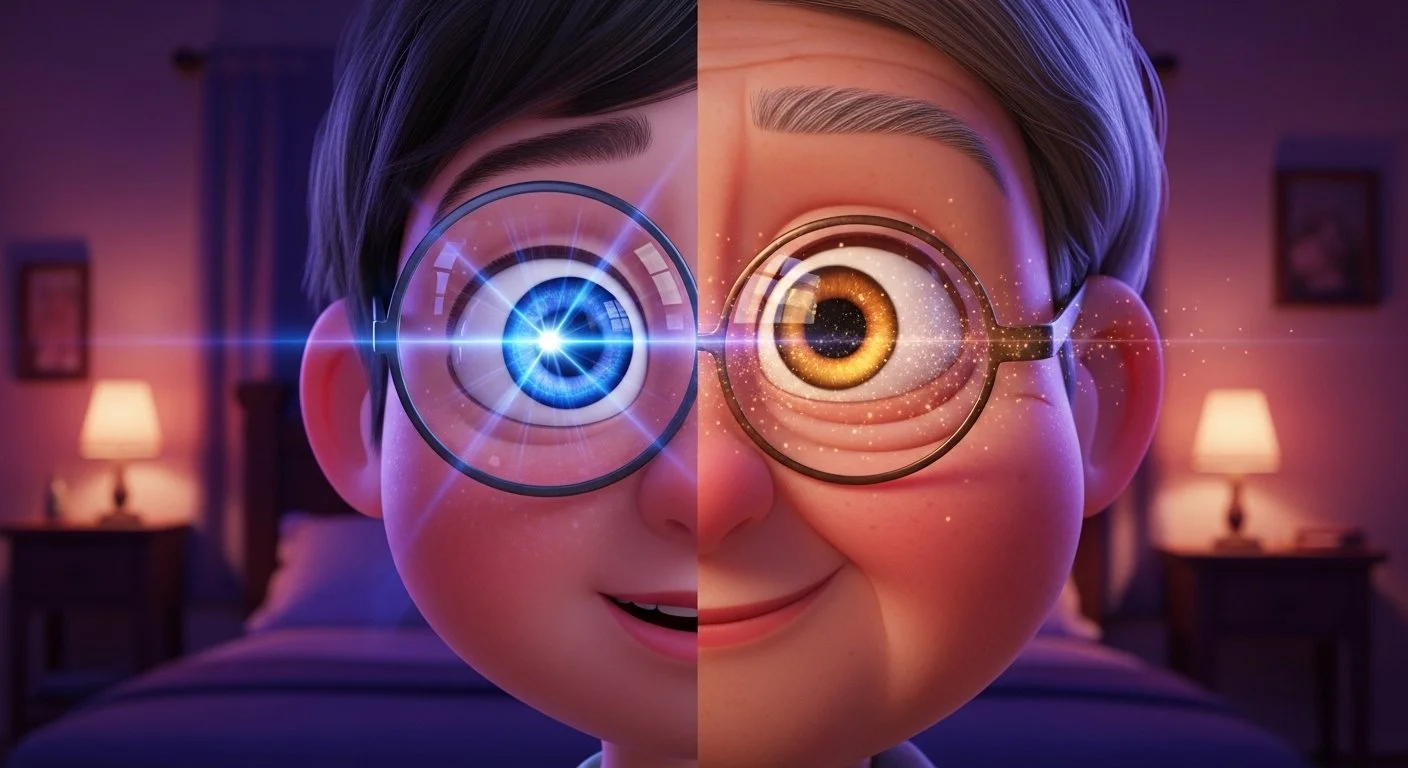
Blue Light Suppresses Teen Melatonin Differently Than Adults
The clarity of our eyes changes as we age, with teenagers possessing "crystalline" lenses that let in significantly more sleep-disrupting blue light than the naturally yellowed lenses of adults. y acknowledging that a teenager’s eyes and brain are physically more vulnerable to light, we can move away from conflict and toward biological solutions.
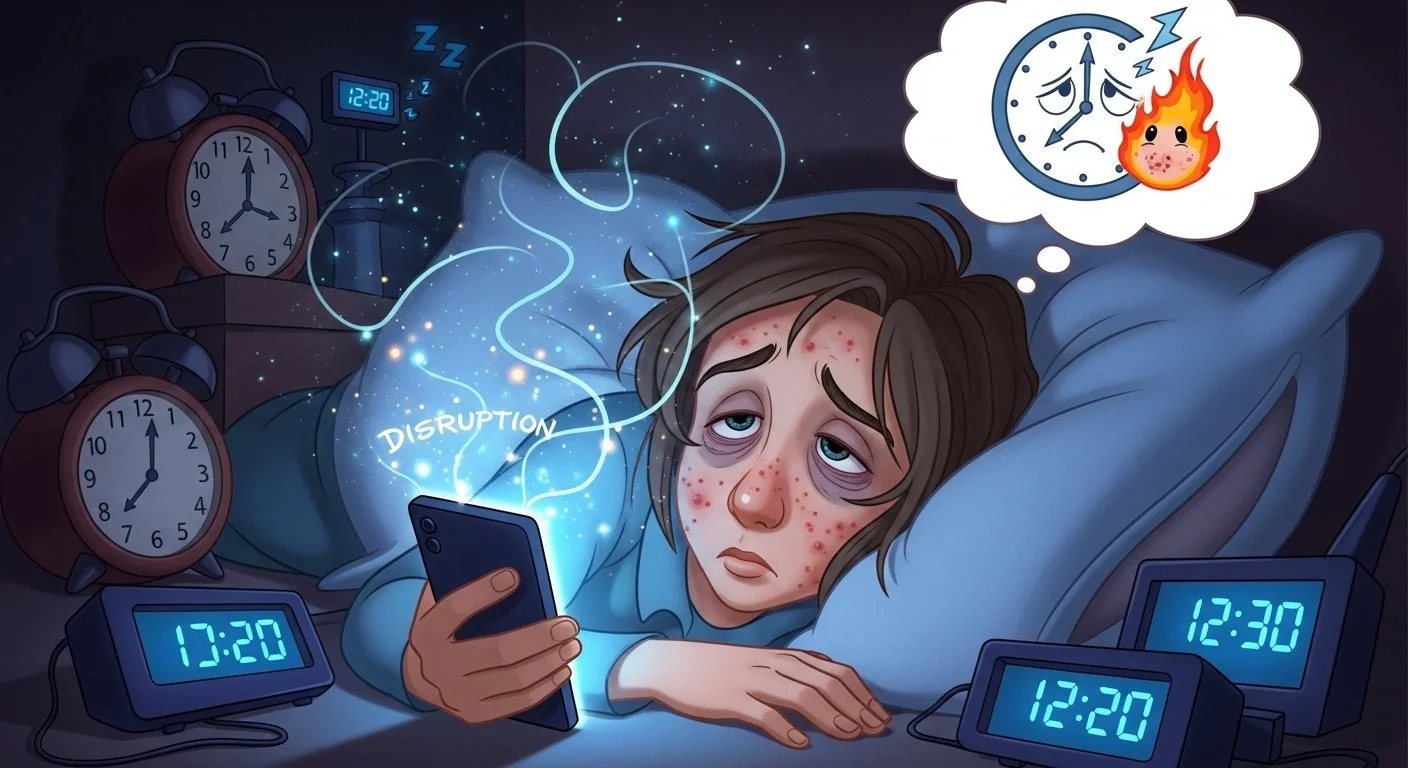
Circadian Disruption Drives Inflammatory Acne
Discover the hidden link between your sleep schedule and acne severity. Research demonstrated that acne severity is a direct consequence of circadian disruption. When your internal rhythm is broken by blue light exposure or late-night eating, your skin enters a state of "molecular desynchrony," leading to the "angry," red, and inflammatory breakouts characteristic of sleep-deprived individuals.
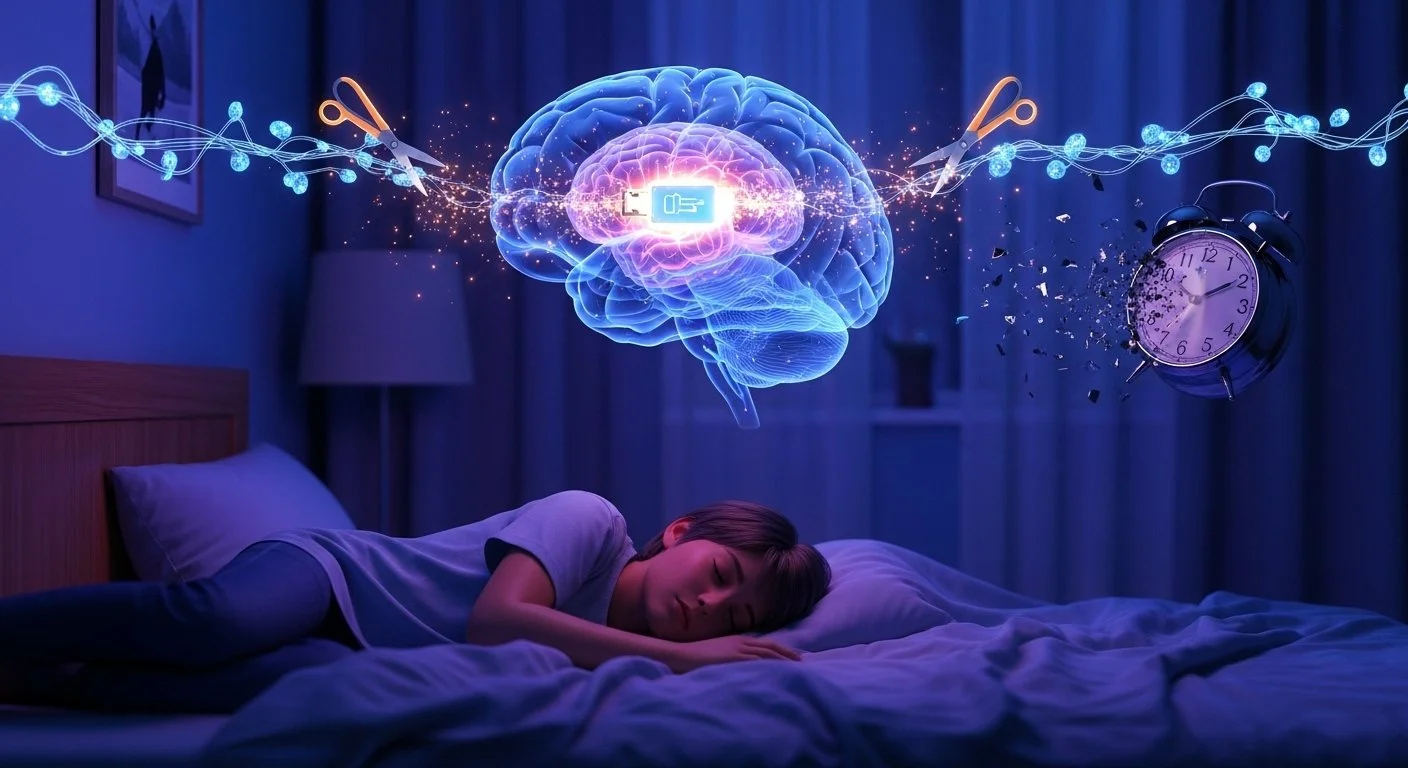
Teen Sleep Health: Price of Social Jetlag
Are your teens moody, foggy, or stressed? It’s not just "being a teenager"—it’s a brain under construction. Learn the science behind Social Jetlag, the melatonin delay, and why the last two hours of sleep are the most critical for emotional health and long-term learning. Discover how to protect the "biological hardware" of the adolescent brain.
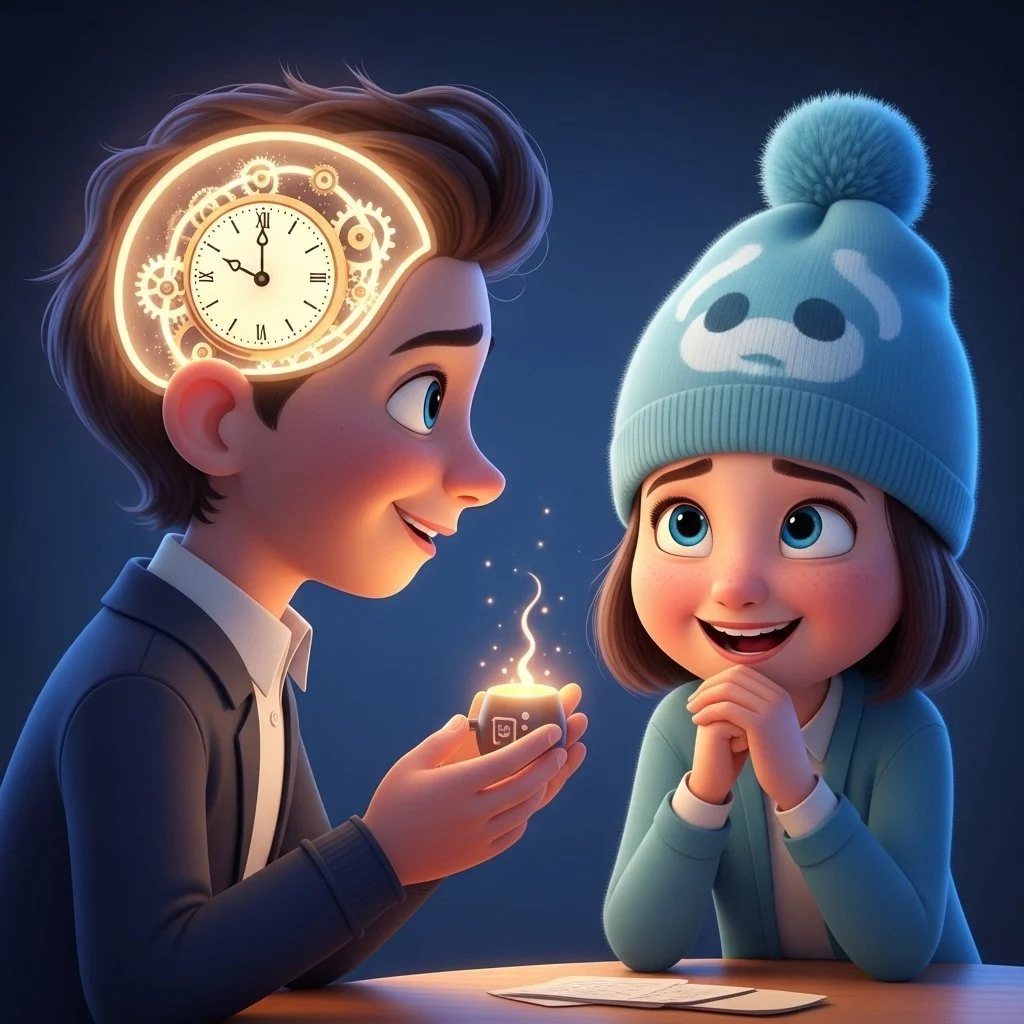
Internal Clock Shapes Mental Health
Your circadian rhythm is a 24-hour master clock that dictates far more than sleep; it's the core regulator of your emotional stability. Learn why a misaligned clock can trigger depression and how consistent meal times and morning light can become your most powerful tools for improving energy, reducing stress, and stabilizing your mental health.
Strategies for Functioning on No Sleep
While sleep deprivation severely impairs cognitive function and emotional regulation, this guide details targeted interventions to mitigate its immediate effects. Learn how to maximize alertness using strategic caffeine consumption and the restorative power of a nap. We also explore leveraging biological cues, such as bright light exposure and sustained-energy nutrition, to maintain focus and safely bridge the gap to full recovery.

The 10-Hour Rule: How to Master Coffee and Sleep for All-Day Energy
Do you love coffee but struggle with tired mornings and restless nights? Discover the science of coffee and sleep and how caffeine impacts your circadian rhythm and deep sleep cycles. Learn the 10-hour rule and other simple strategies to boost daytime energy without sacrificing your nightly recovery.
The Wild Rollercoaster of Your Biological Clock
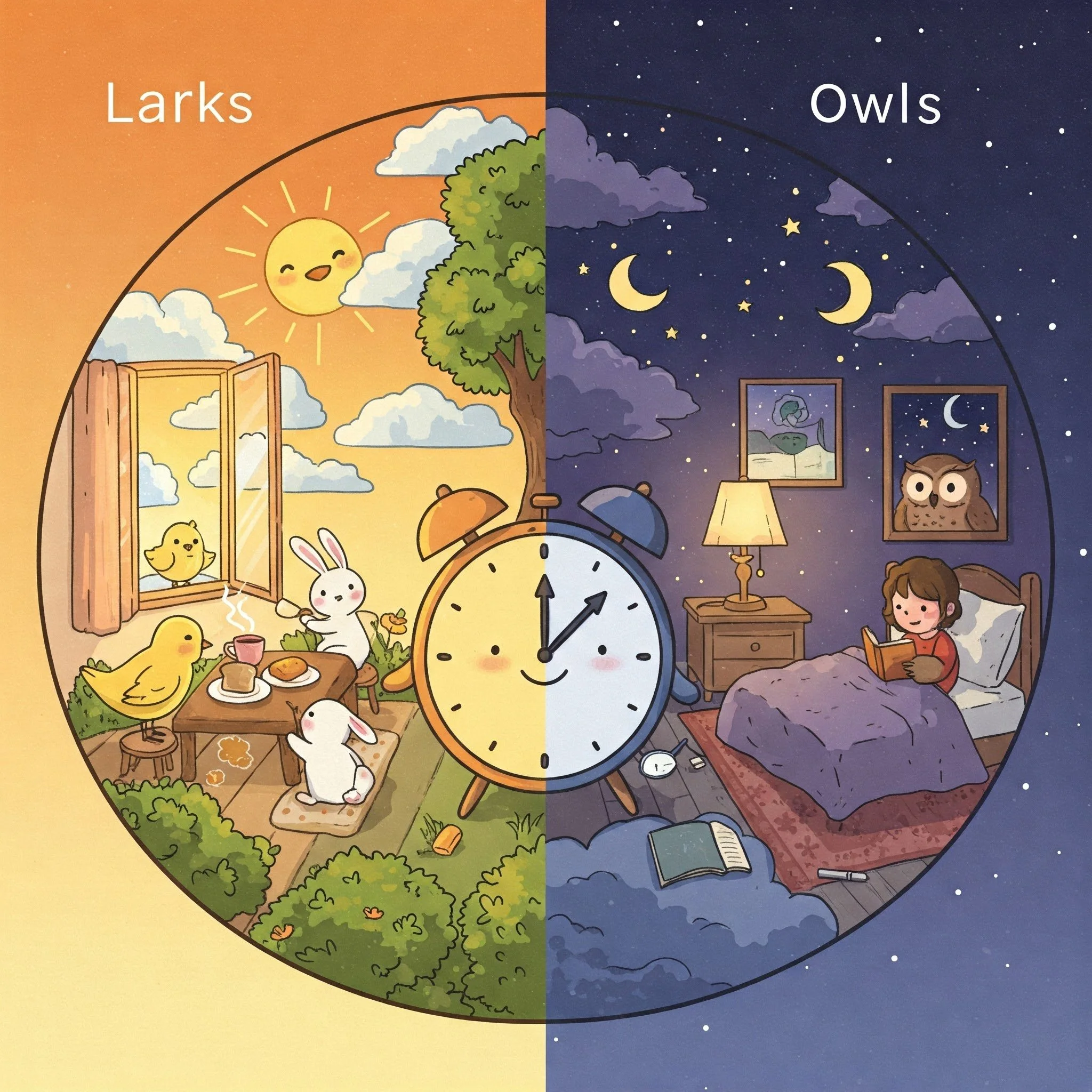
Why do you jump out of bed as a kid, but need a crowbar to get up as a teenager? Learn why your natural sleep rhythm (your chronotype) is constantly shifting from childhood to old age. Find out how to align your life with your body's inner rhythm for better mood, performance, and health.
Hidden Biology in Teen Sleep
Discover how sleep deprivation in teenagers is fueling the modern mental health crisis. This article breaks down the science of "social jetlag," the brain’s nightly cleaning process, and why teen biology makes early school start times so unhealthy to their minds.