Adult Sleep: Balancing Life and Rest
For the modern adult, sleep is often the first thing sacrificed at the altar of productivity. Yet, your sleep quality is the greatest predictor of your daytime performance, mood, and long-term health. Whether you’re juggling a career, a social life, or fitness goals, we provide strategies to optimize your sleep hygiene and protect your "internal clock" in an "always-on" world.
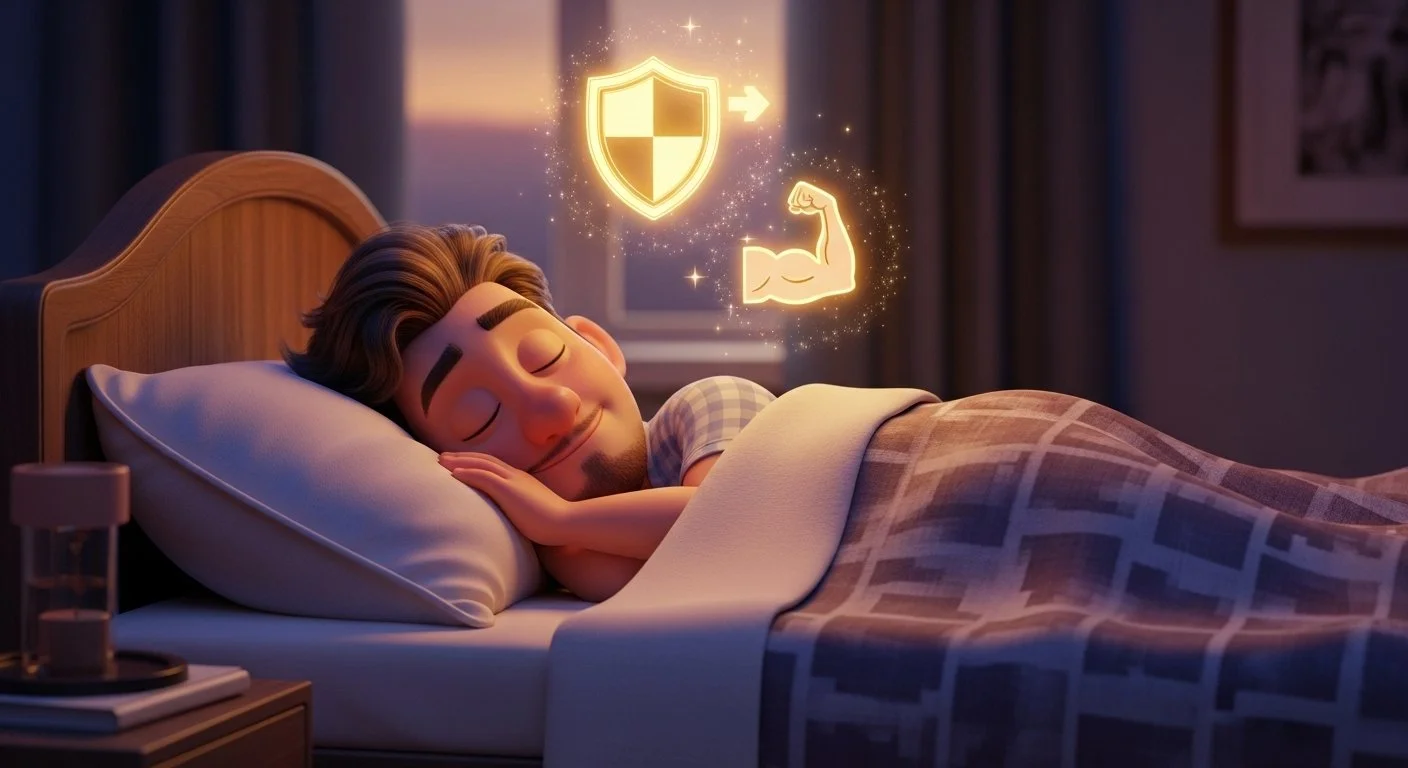
Protecting Sleep Protects Your Sperm and Testosterone
Are you unknowingly sabotaging your testosterone and fertility every night? When circadian rhythms are disrupted, local testicular clocks desynchronize, nocturnal temperatures remain too high, and the vital "melatonin shield" is blunted. Furthermore, fragmented sleep can age a man’s hormonal profile by a decade in just one week, effectively shutting down the biological pathways required to create healthy life.
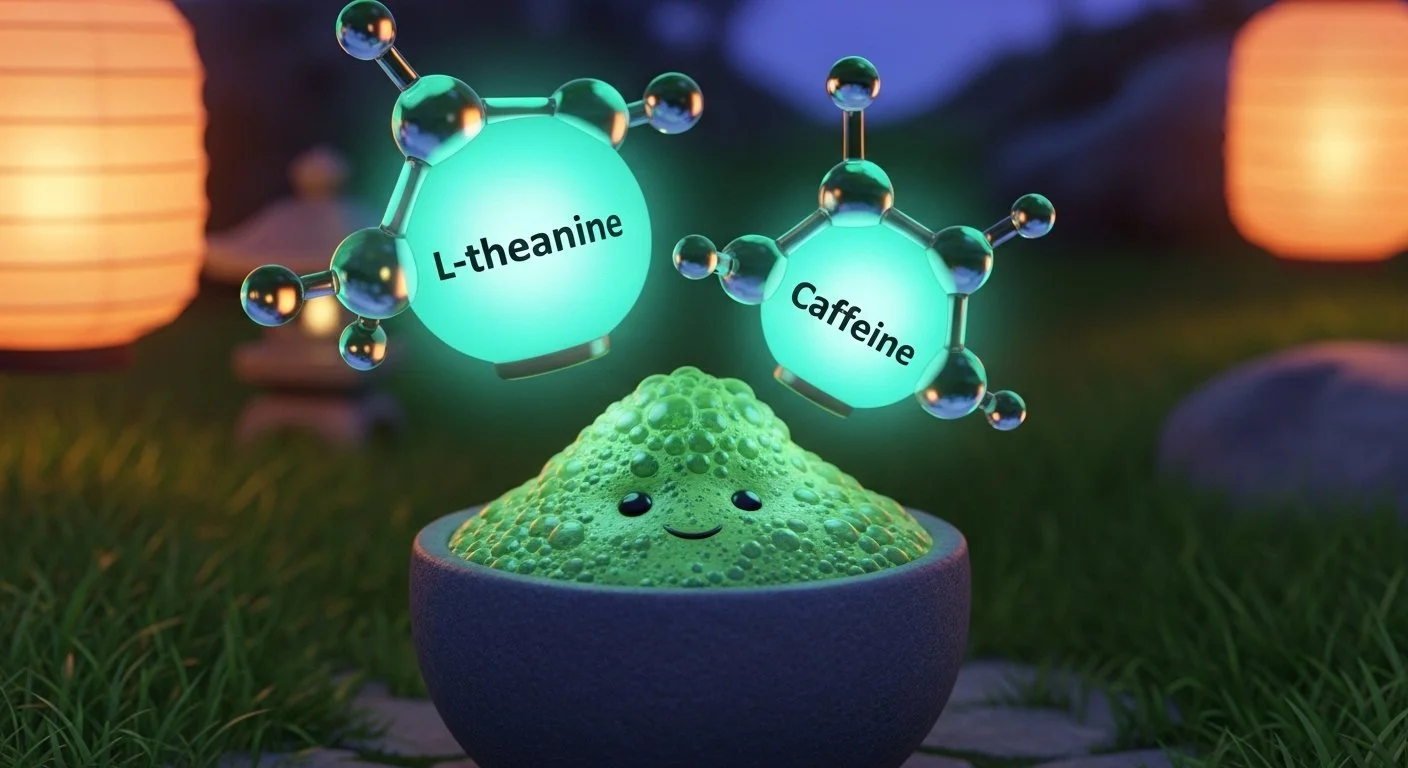
Matcha and Sleep: Why This Green Powder Doesn't Affect Sleep Like Coffee
Discover why your afternoon coffee might be the reason you can’t sleep, and how matcha offers a scientifically-backed alternative. We explore the "L-theanine buffer," and the role of GABA in calming a racing mind.
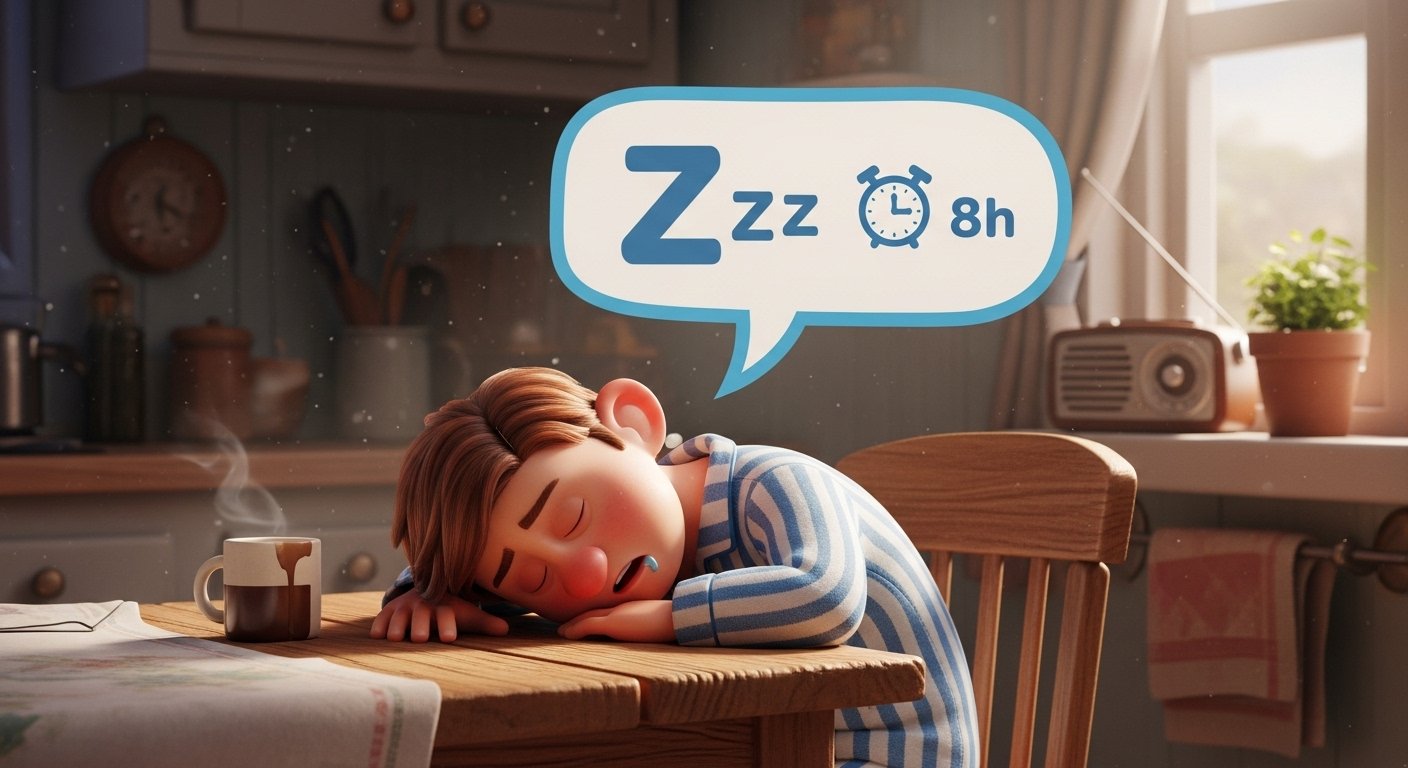
Beyond the 8-Hour Myth: Why You’re Still Exhausted and How to Fix It
Are you waking up tired after 8 hours? This guide explains the science of Sleep Inertia and why a "flat" cortisol response, mouth breathing, and late-night meals might be the hidden causes of your morning brain fog. Learn research-backed strategies to fix your biological ignition and finally wake up feeling refreshed every day.
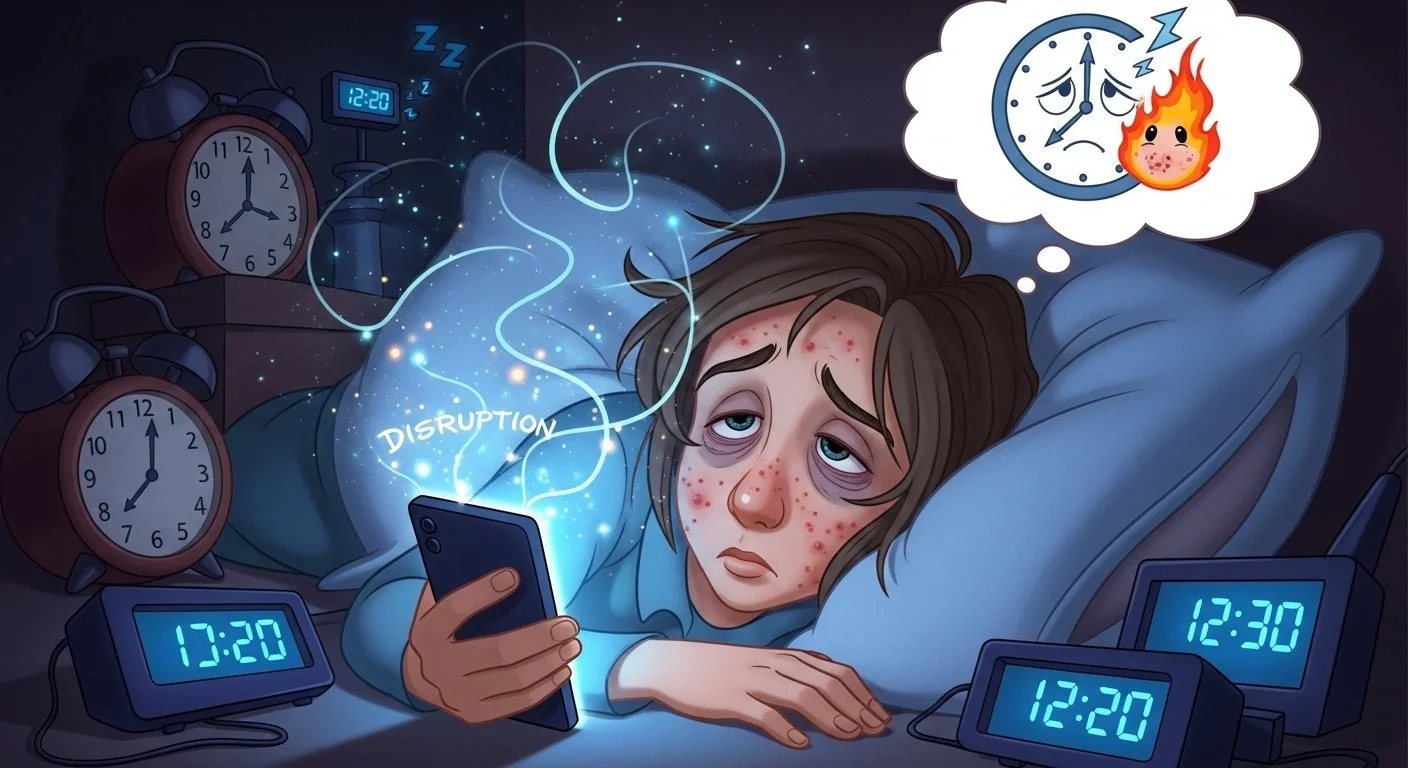
Circadian Disruption Drives Inflammatory Acne
Discover the hidden link between your sleep schedule and acne severity. Research demonstrated that acne severity is a direct consequence of circadian disruption. When your internal rhythm is broken by blue light exposure or late-night eating, your skin enters a state of "molecular desynchrony," leading to the "angry," red, and inflammatory breakouts characteristic of sleep-deprived individuals.
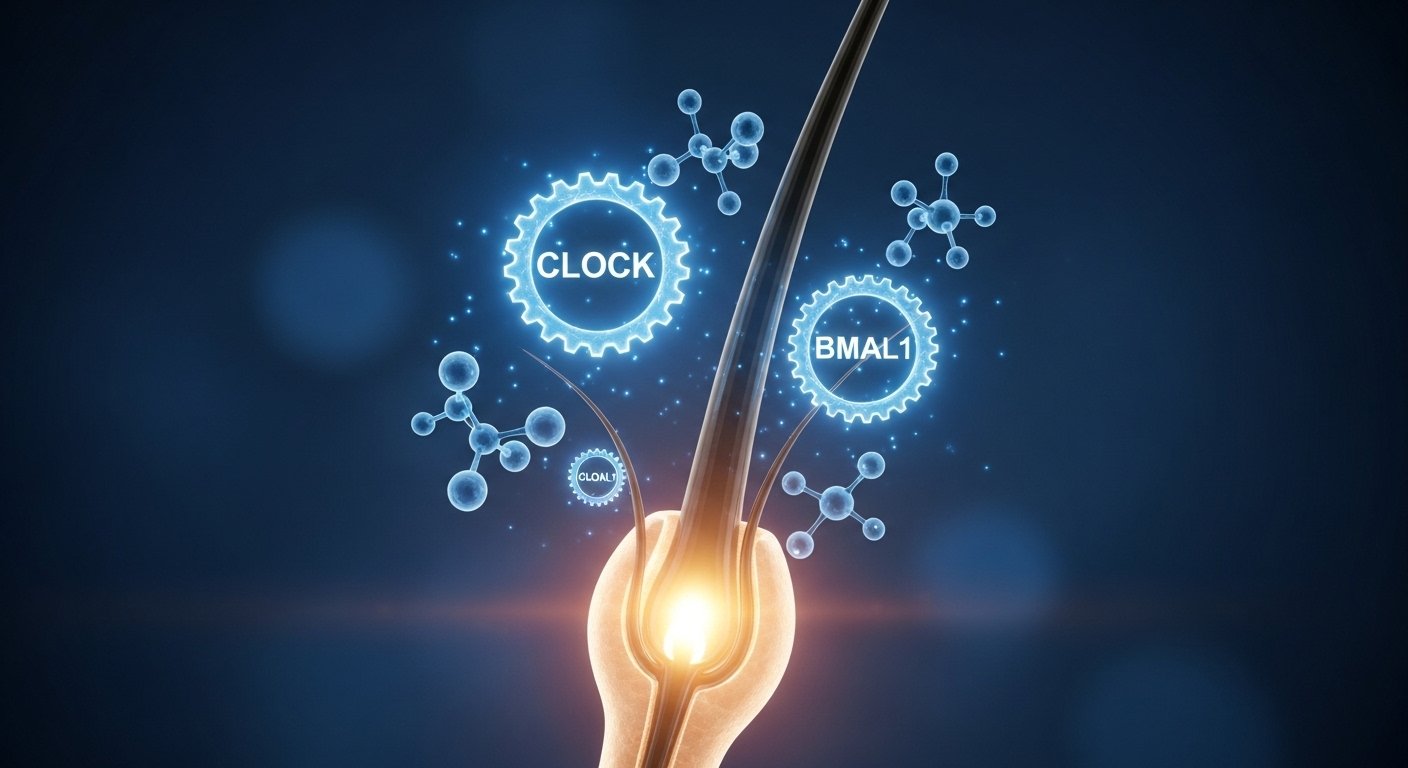
Sleep Is Essential for Your Hair Health
Can a lack of sleep lead to baldness? Research confirms that sleep deprivation directly increases hair loss by disrupting the clock genes in the hair follicle and hormones essential for hair health! Melatonin, cortisol, and growth hormone all dictate your hair's density and health.
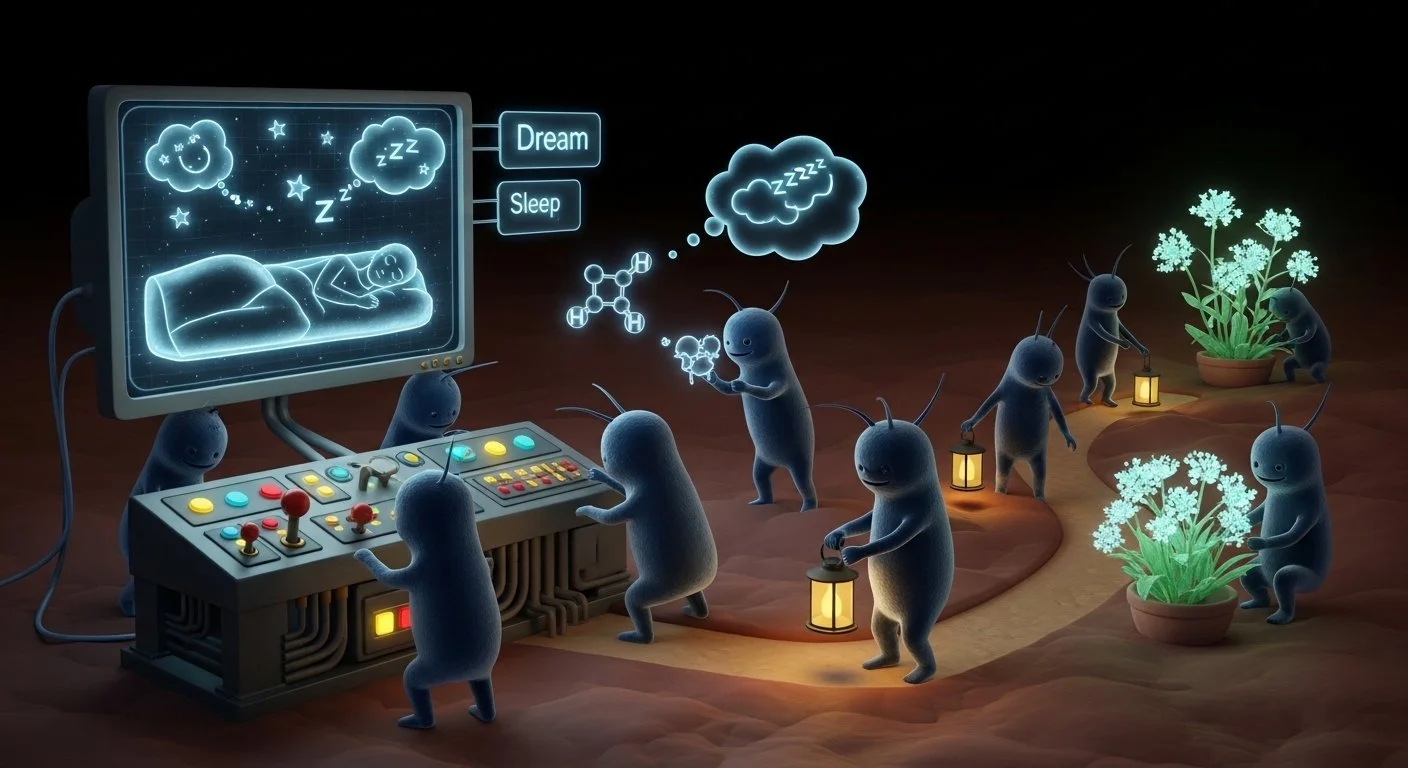
The Gut-Sleep Revolution: Gut Health Unlocks High-Quality Sleep
Unlock the hidden link between your gut health and your dream life. Learn how your "second brain" might be the reason you're waking up tired. Discover the science-backed ways to optimize your gut for deeper, more restorative REM sleep without relying on basic sleep hygiene.
Your Gums Pay the Price for Late Nights
Think your dental health is just about brushing, or struggling with morning breath? Research reveals a powerful "sleep-smile connection" where poor rest triggers gum inflammation and wrecks your oral microbiome. Learn how fragmented sleep jams up cellular water gates, floods your saliva with hidden sugars, and triggers an immune war in your gums.
Sleep Pills: Risks and Reality
Is your sleep pill actually giving you rest, or just knocking you out? Discover research on Z-drug risks, from dementia links to "sleep-driving," and explore the new frontier of Orexin-based "smart pills."
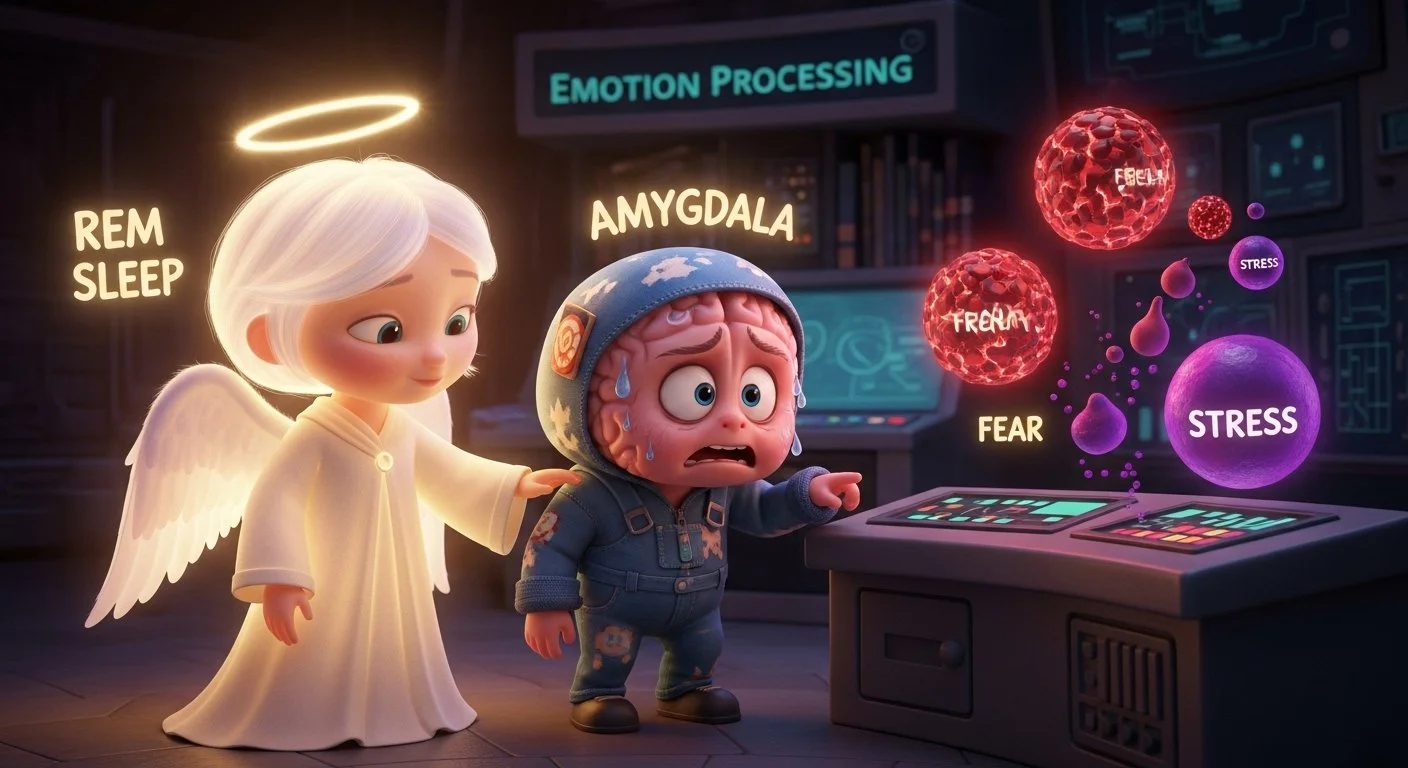
REM Sleep and Mental Health are More Connected Than You Think
Discover why REM sleep is the secret weapon for adult mental health. Here we go beyond the basics of sleep hygiene to explore the cutting-edge science of REM sleep and mental health. We discuss the "Noradrenaline Shutdown," how the amygdala loses its brakes without dreams, and why your brain’s "plumbing system" needs REM to clear out the mental fog.
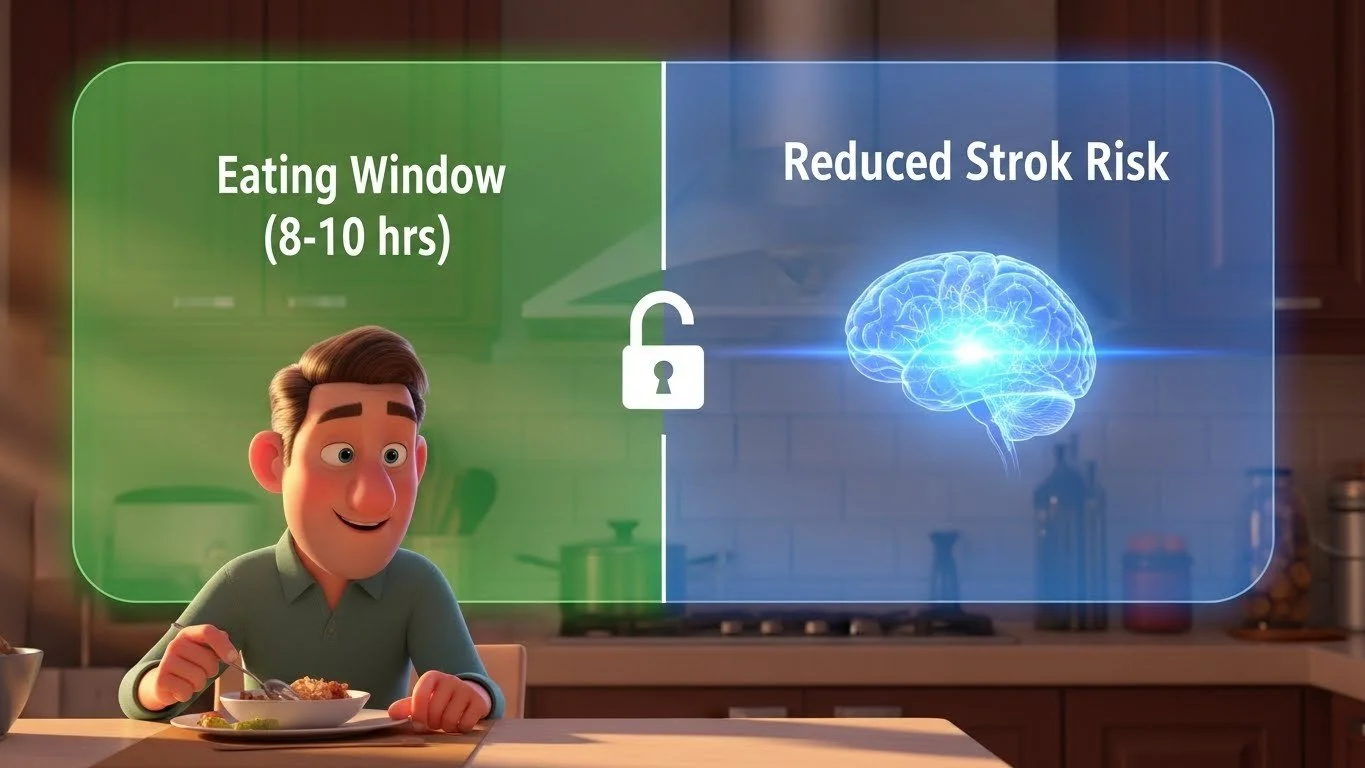
Poor Sleep and Stroke: Time-Restricted Feeding Reduces Stroke Risk
Discover the critical connection between sleep and stroke risk and how your eating habits play a major role. This guide explores how Time-Restricted Feeding (TRF) protects your brain by reducing inflammation and improving sleep quality.
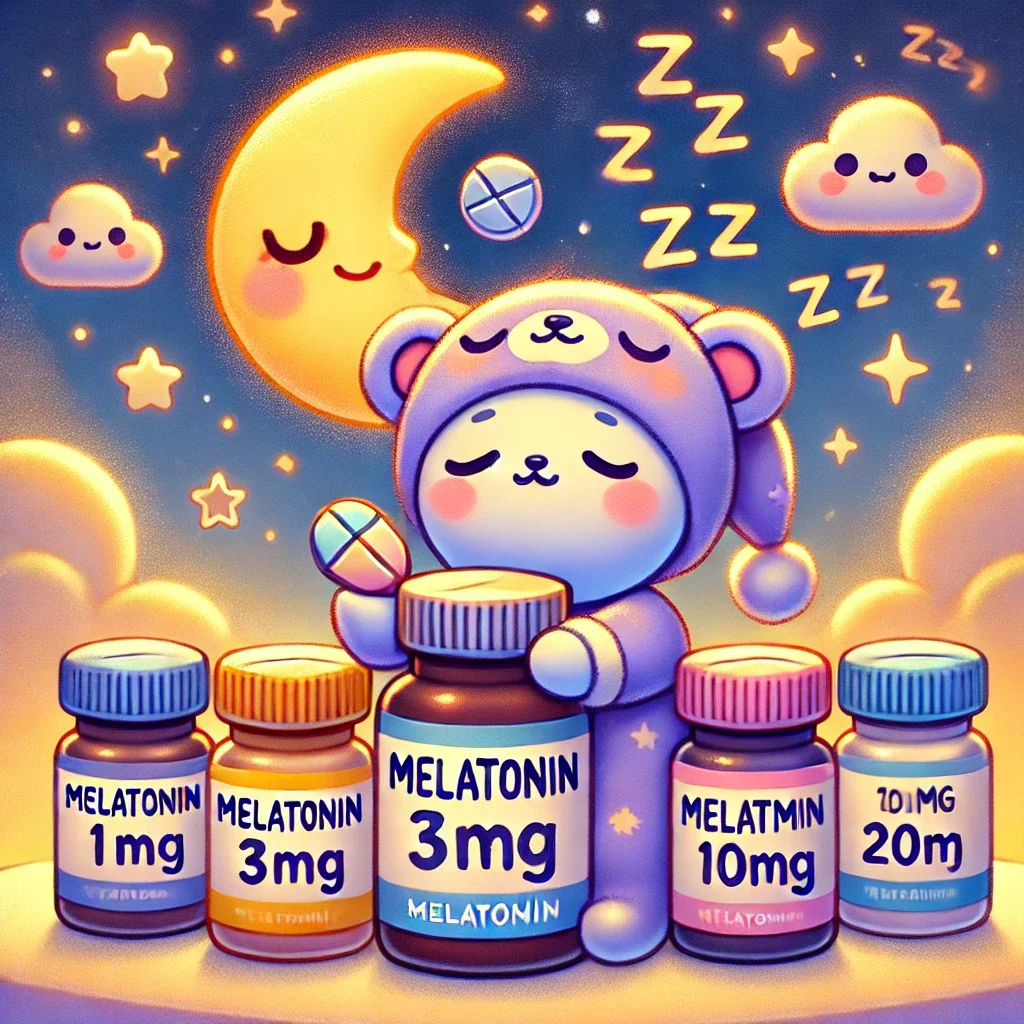
Why Taking More Melatonin Isn't Always Better
We all want better sleep, but that little melatonin pill might be doing more harm than good. We'll reveal how doses above 5mg can quietly mess with your hormonal balance and what "heavy hitter" doses (over 10mg) are doing to your gut and even your liver. If you're using melatonin long-term, you need to read this before you take your next pill.
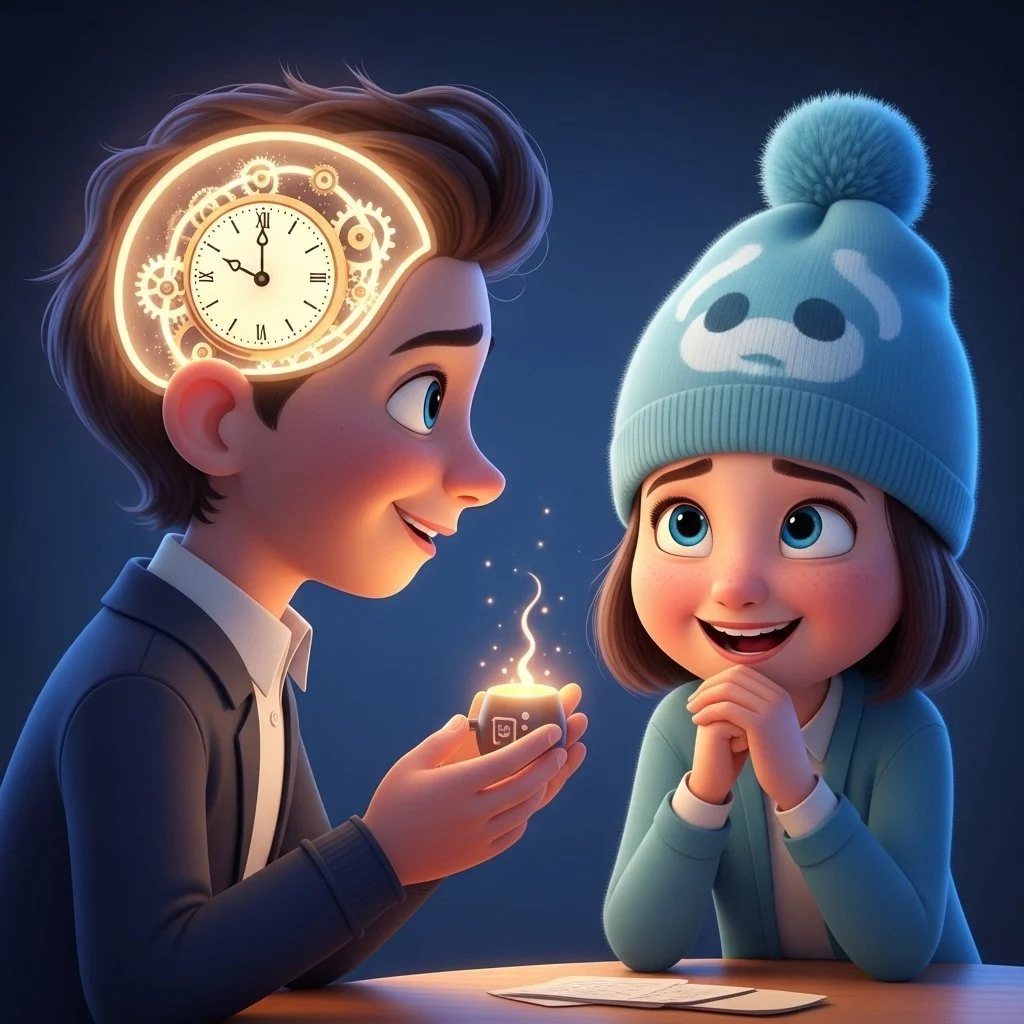
Internal Clock Shapes Mental Health
Your circadian rhythm is a 24-hour master clock that dictates far more than sleep; it's the core regulator of your emotional stability. Learn why a misaligned clock can trigger depression and how consistent meal times and morning light can become your most powerful tools for improving energy, reducing stress, and stabilizing your mental health.
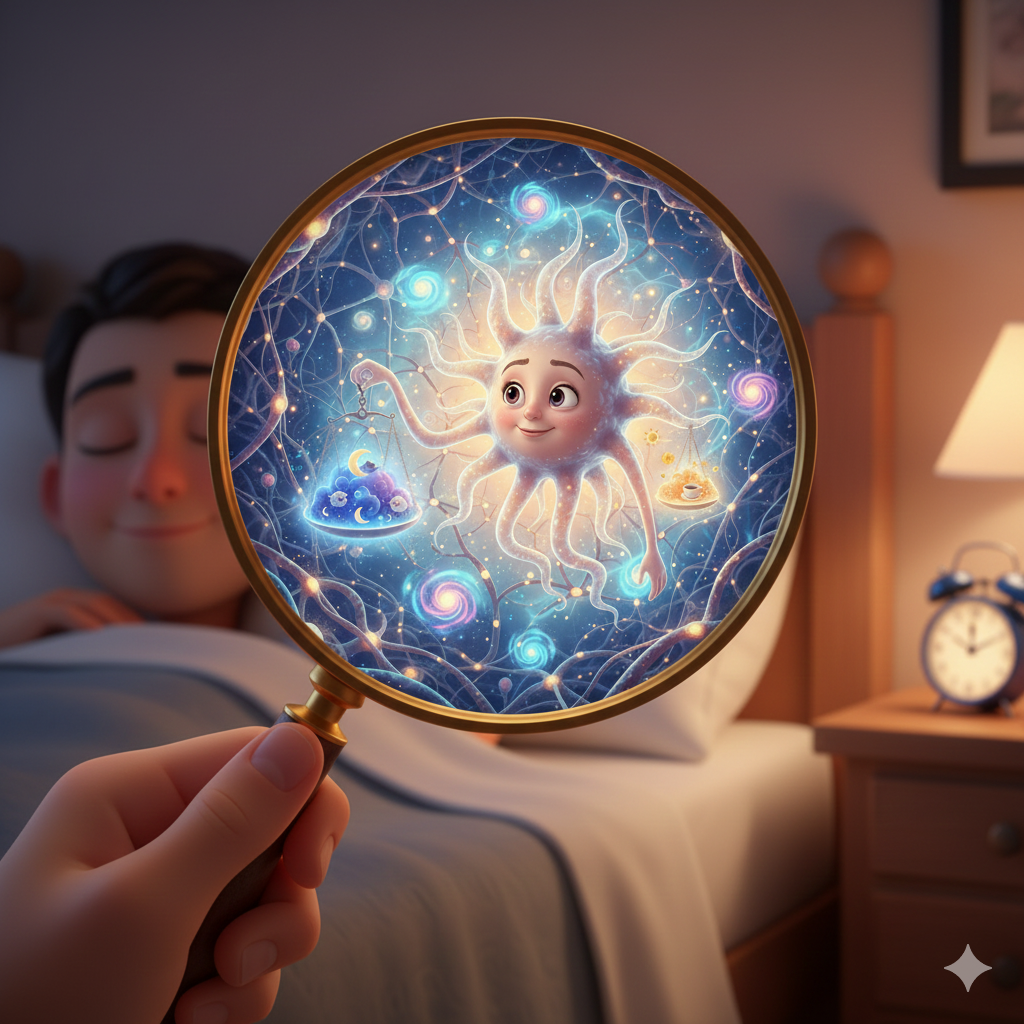
The Astrocyte Switch: How This Star-Shaped Cell Could Be the Key to Better Sleep
Uncover the hidden science behind your sleep! We explores astrocytes, the star-shaped brain cells that are key to regulating your sleep and circadian rhythms. Learn how astrocytes regulate sleep by managing the sleep-pressure chemical adenosine and running the brain's vital cleaning system.
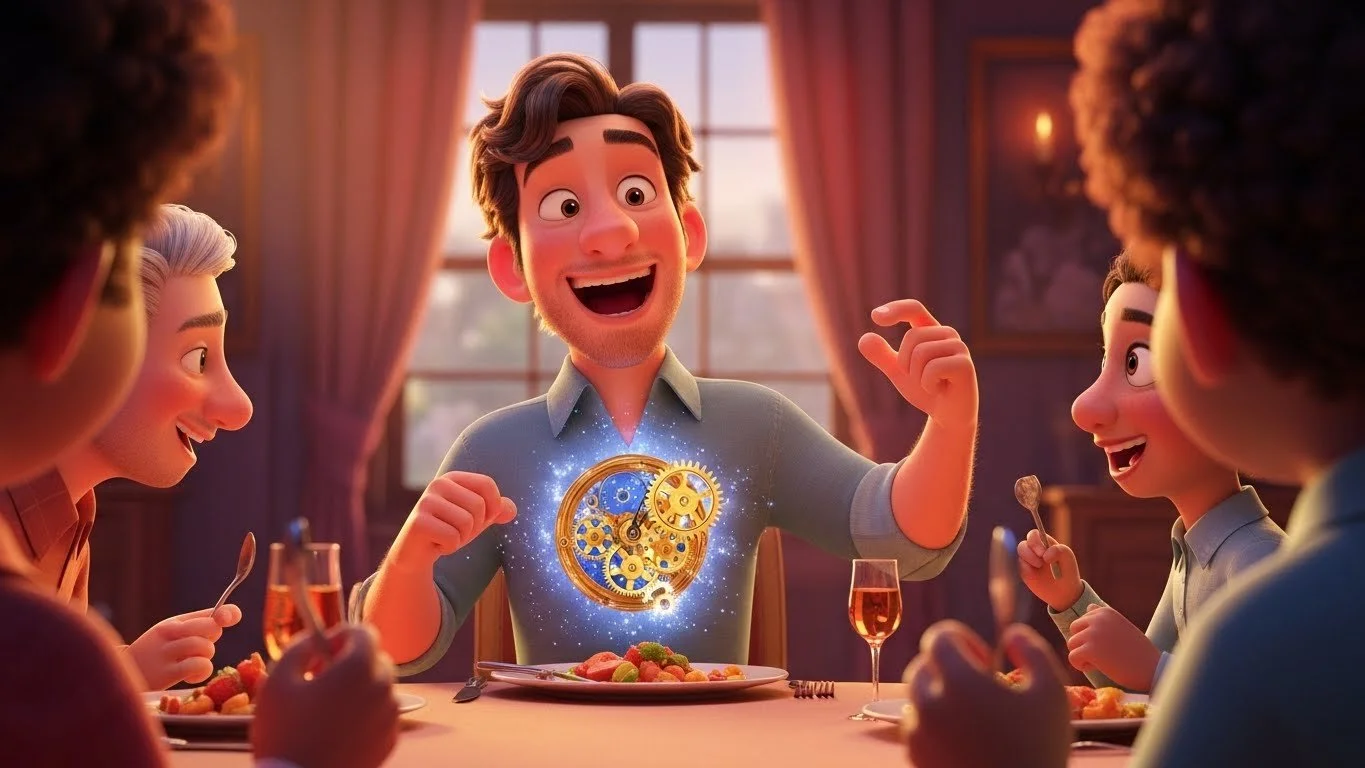
How "Social Zeitgebers" Can Reset Your Internal Clock
Our interactions with others signal our brain to stay on a healthy 24-hour cycle. The loss of these cues can lead to the "drifting" sleep cycles seen in depression and anxiety, and we can use "social anchors" to fix our rhythms. Ultimately, staying connected is one of the most powerful, non-medical ways to ensure a good night's rest.
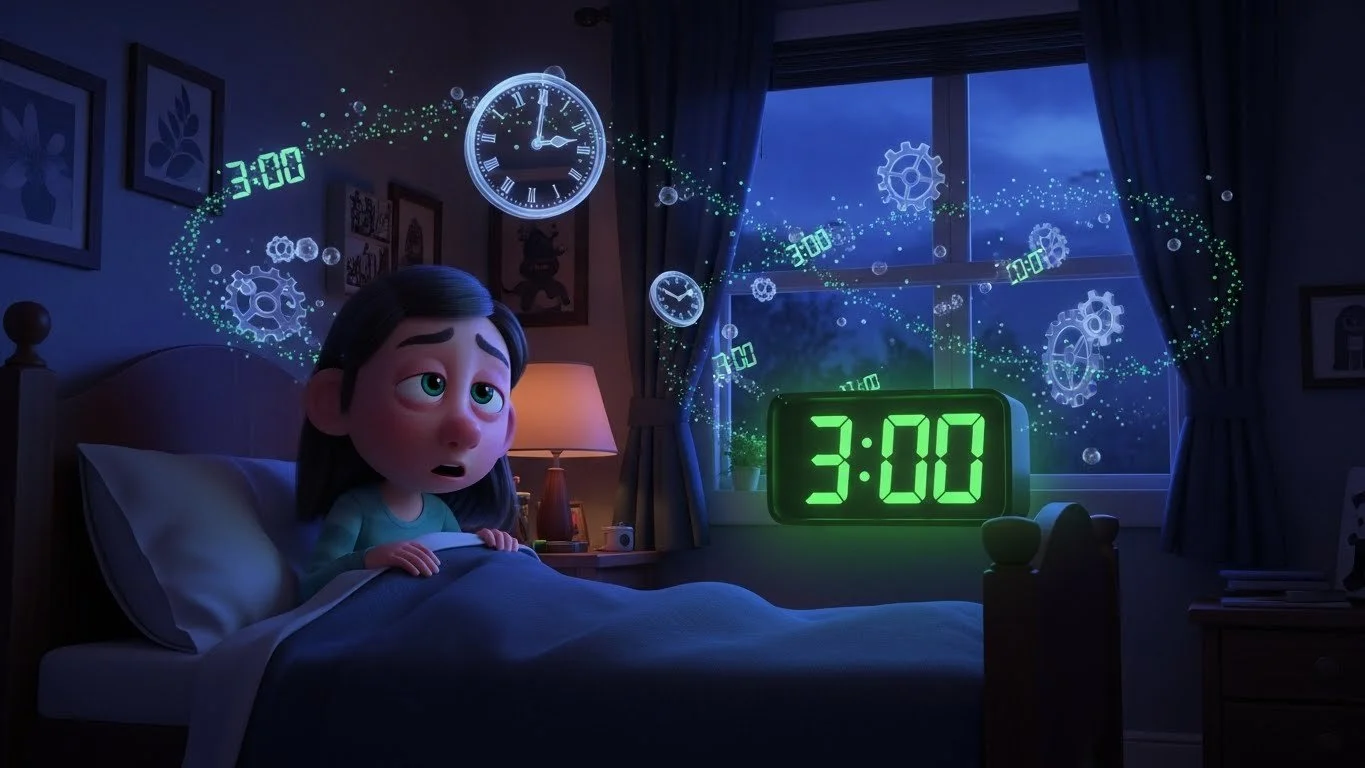
Biological Clockwork: Why You’re Waking Up at the Same Time Every Night
Struggling with waking up at the same time every night? It’s not just stress—it’s a biological chain reaction involving cortisol spikes and liver workload. This article explores how your internal thermostat and metabolic "night shift" could be triggering 3 AM wake-ups. Learn science-backed strategies to reset your clock and stay asleep until morning.
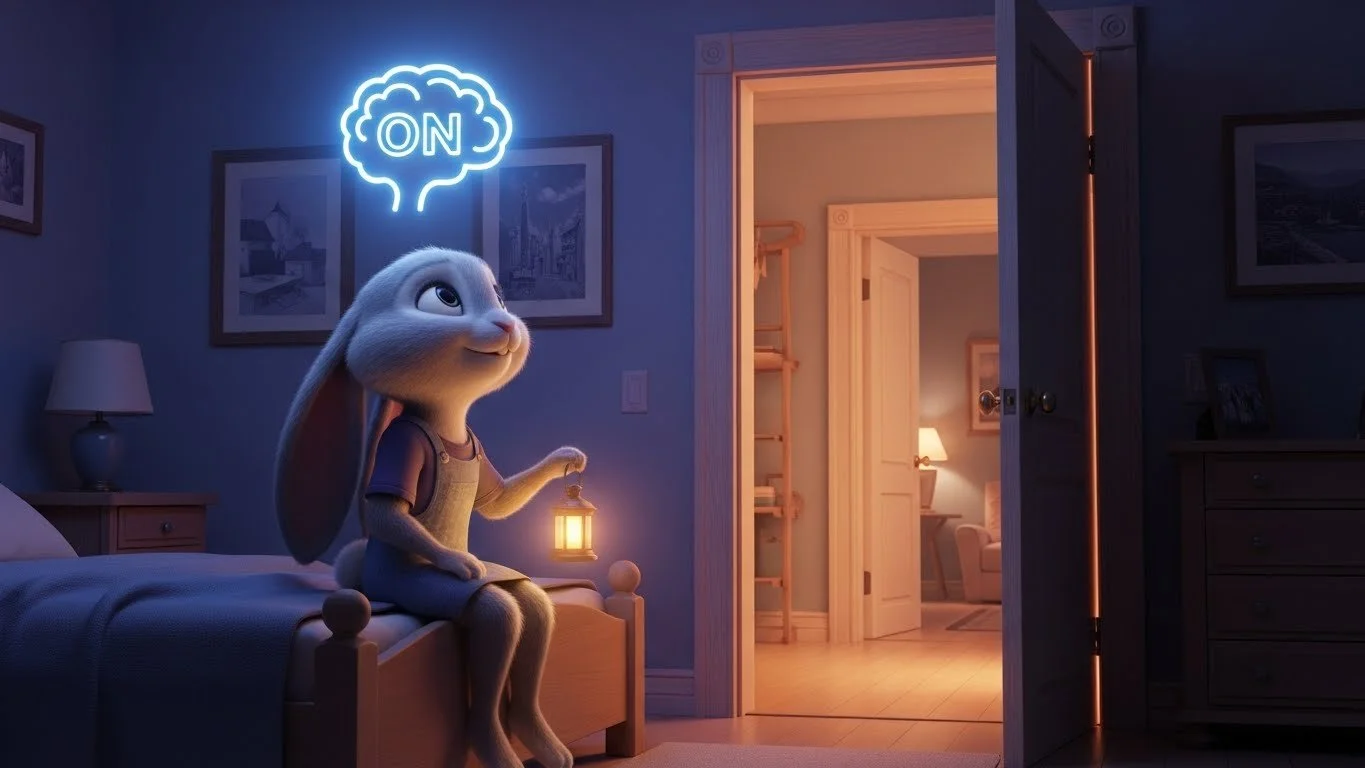
Behavioral Insomnia
Struggling to fall asleep despite being exhausted? You might have behavioral insomnia, a condition where your brain "learns" to stay awake in bed. Discover the science of conditioned arousal, why women and certain age groups are more at risk, and how to use CBT-I techniques to reset your sleep cycle for good. Stop "trying" to sleep.
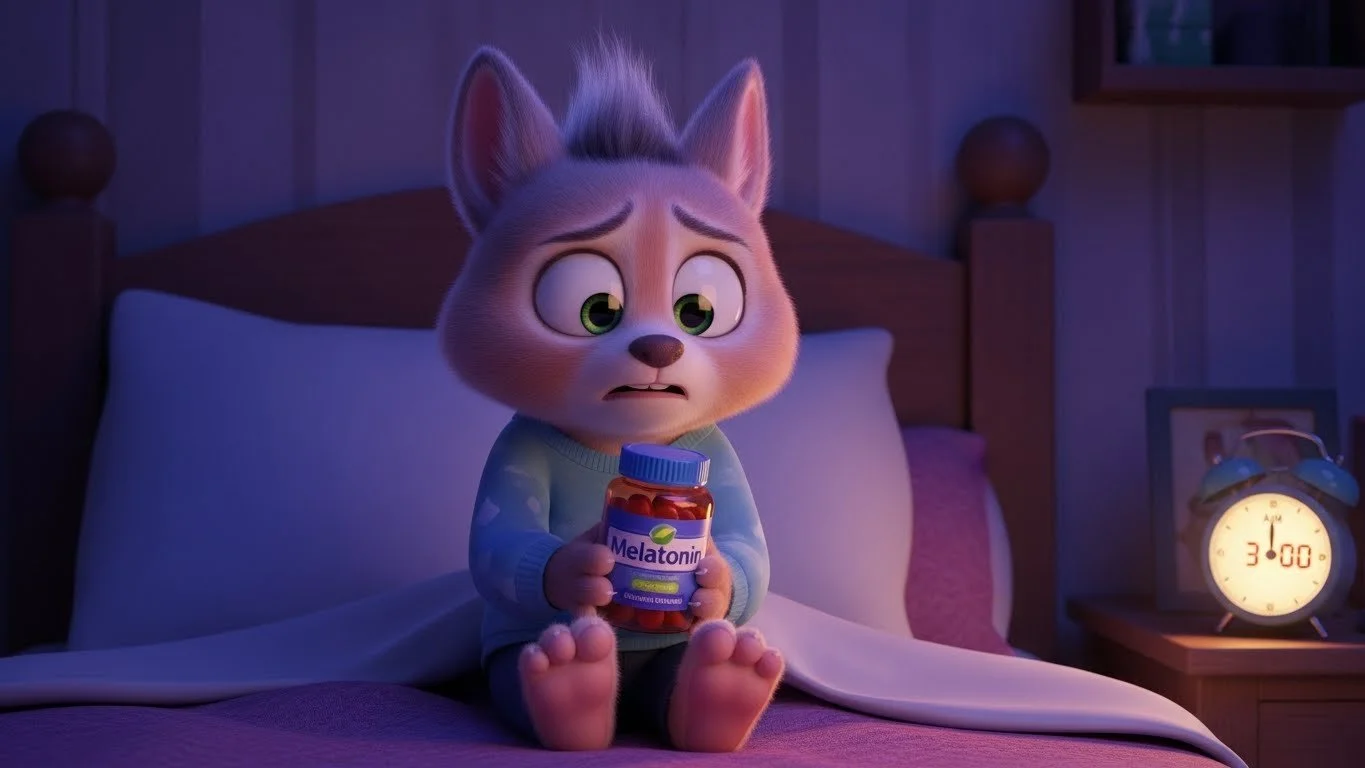
The Melatonin Myth: Why This "Sleep Miracle" Doesn't Work for Everyone
Frustrated that melatonin isn't helping you sleep? Discover the 5 scientific reasons why melatonin doesn't work for everyone, from genetic "MTNR1B" variations to improper dosage. Learn how to fix your timing and find the right micro-dose to finally sync your circadian rhythm. Stop guessing and start sleeping better with these evidence-based tips.
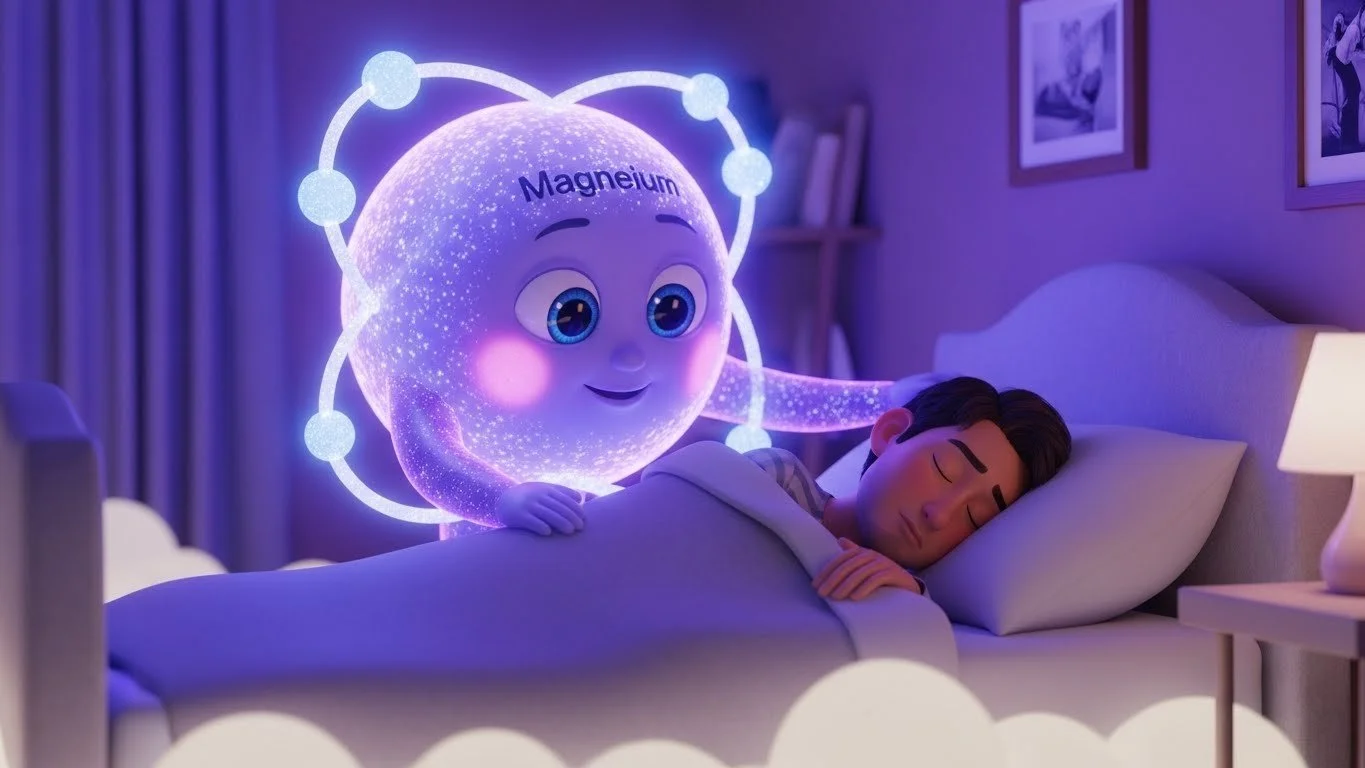
Magnesium Magic for Sleep
Unlock the secret to better rest with our deep dive into magnesium for sleep. Learn how this essential mineral calms your nervous system at a molecular level by regulating GABA and NMDA receptors. Discover the safest dosages, the best types of magnesium for absorption, and how to fix your circadian rhythm for deeper, more restorative nights.
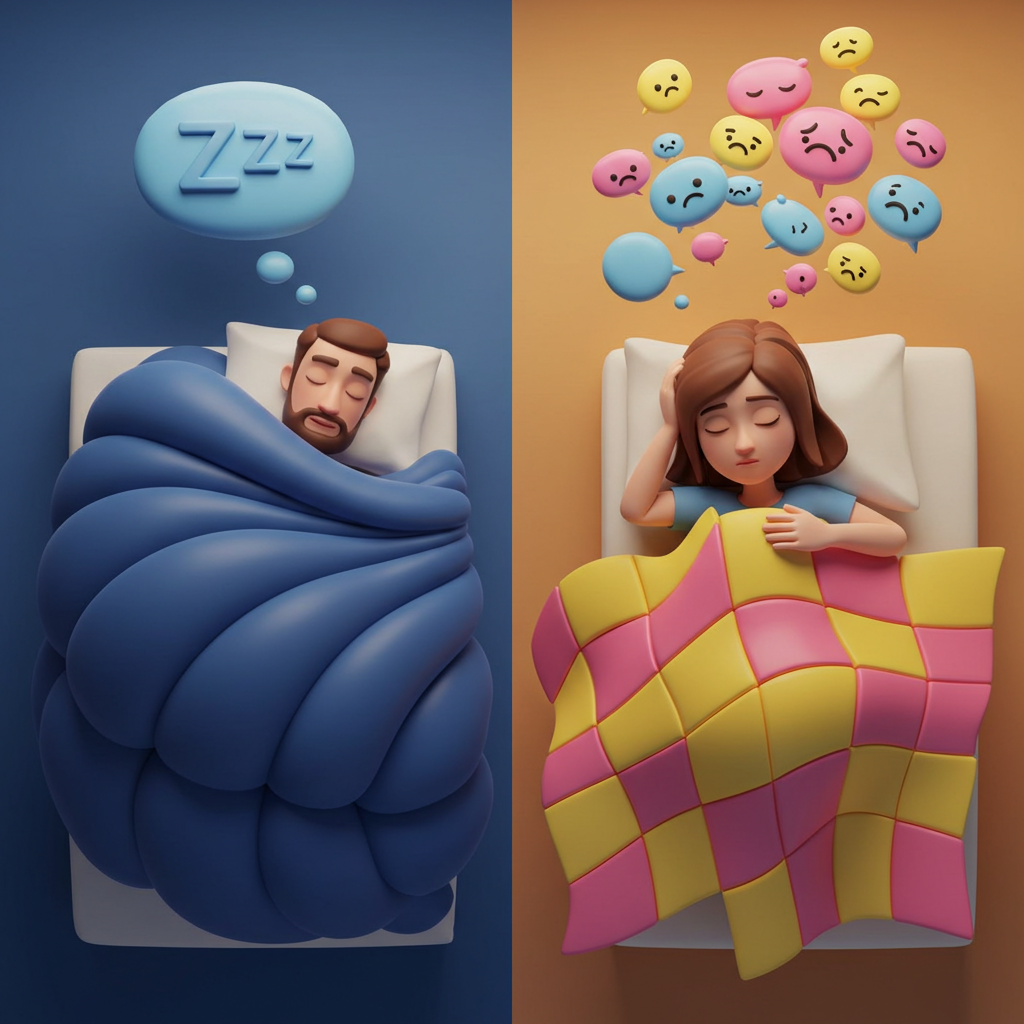
Always Tired? Women's Sleep, Hormones, and Insomnia
If you constantly feel drained, you're not alone. Research reveals women face a unique "sleep gap" due to fluctuating hormones and the invisible night shift of caregiving. This post stops the self-blame, uncovers the biological and social forces robbing your rest, and provides targeted treatments to help you finally reclaim your sleep.
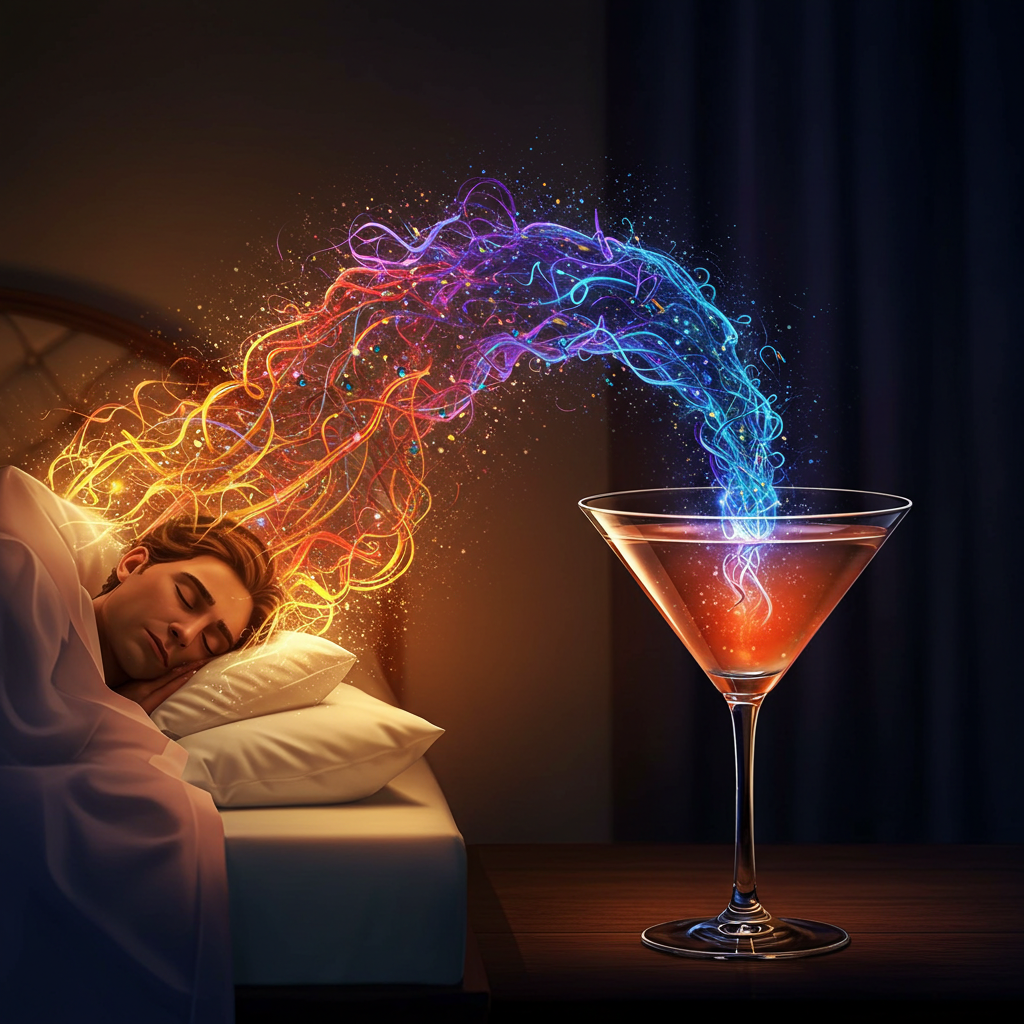
How Your Nightcap Is Stealing Your Sleep
Beneath the temporary calm, alcohol is waging a secret war on your sleep quality and your body’s master timekeeper, the circadian rhythm. Discover how drinking leads to fragmented nights and a broken internal clock, creating a vicious cycle that fuels more stress and more drinking.