Your Internal Architect
Beyond the simple act of sleeping lies a sophisticated 24-hour internal rhythm that governs everything from your body temperature and hormone release to your metabolism and mood. This is the realm of the "Master Clock"—the Suprachiasmatic Nucleus (SCN)—which synchronizes your biology with the rising and setting of the sun. In this category, we decode the science of chronotypes, the dangers of "social jetlag," and how you can align your daily habits with your natural biological timing to unlock peak performance and long-term vitality.
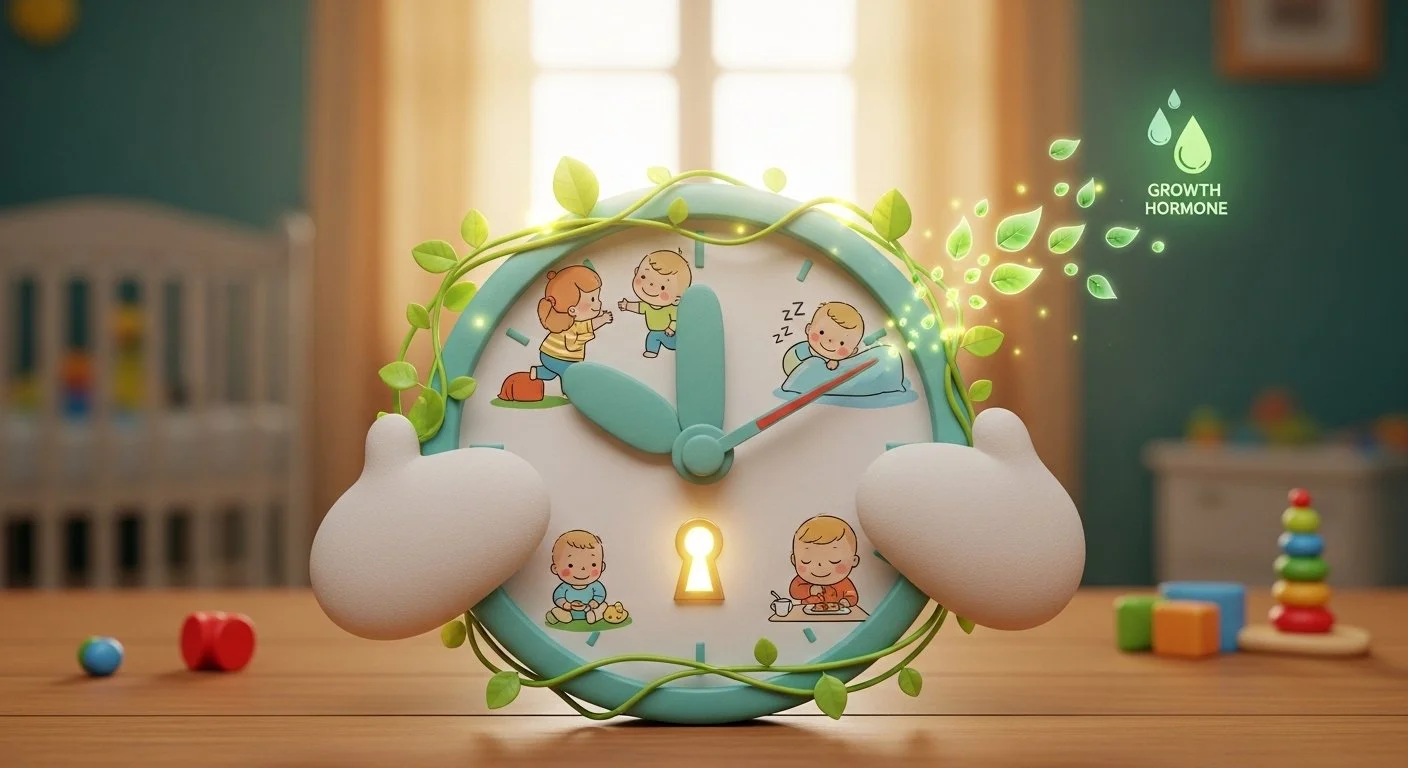
The Clock Secret to Growth Hormone in Toddlers
Growth hormone isn't a constant stream; it’s a timed pulse that relies on the deep, early-night sleep cycles of a well-adjusted toddler. Learn the science how sleep timing is also a key factor for growth hormone release.
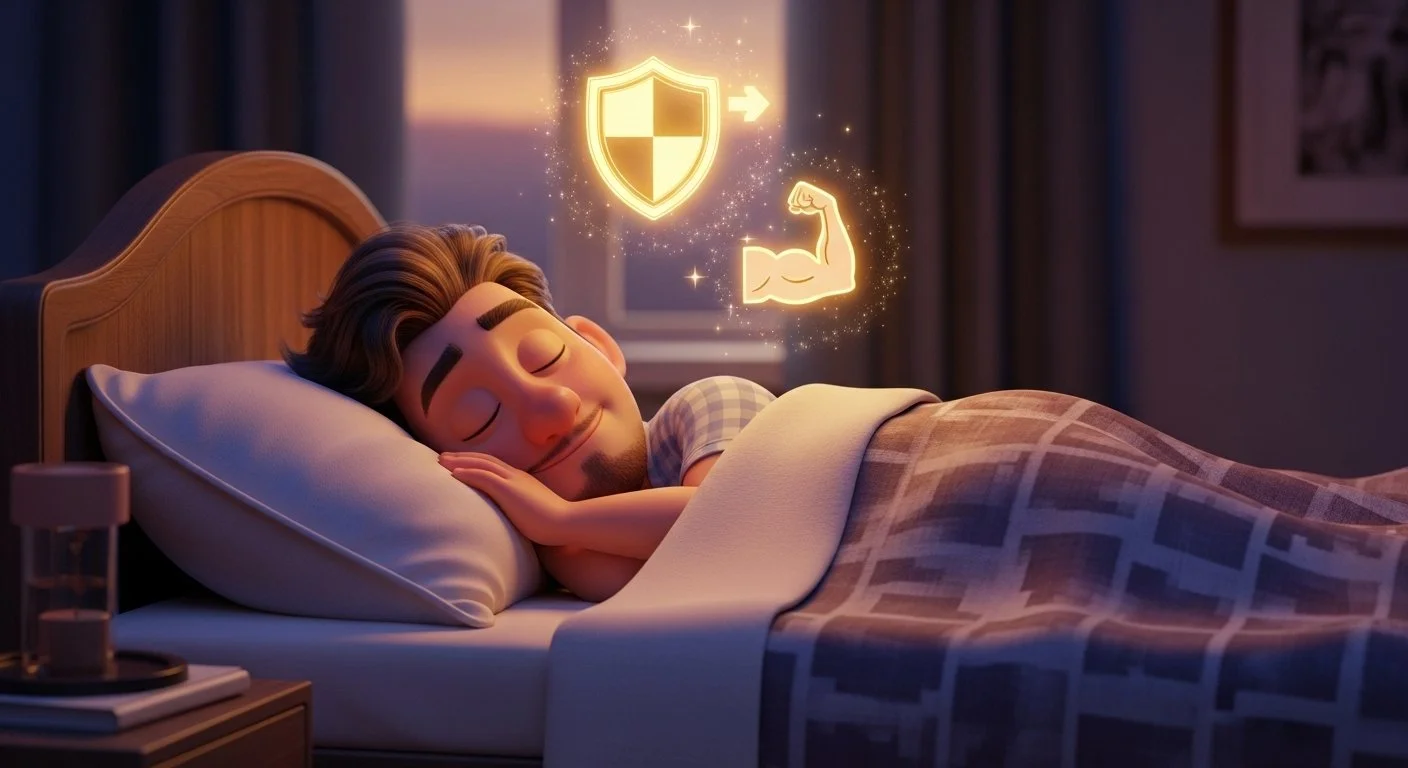
Protecting Sleep Protects Your Sperm and Testosterone
Are you unknowingly sabotaging your testosterone and fertility every night? When circadian rhythms are disrupted, local testicular clocks desynchronize, nocturnal temperatures remain too high, and the vital "melatonin shield" is blunted. Furthermore, fragmented sleep can age a man’s hormonal profile by a decade in just one week, effectively shutting down the biological pathways required to create healthy life.
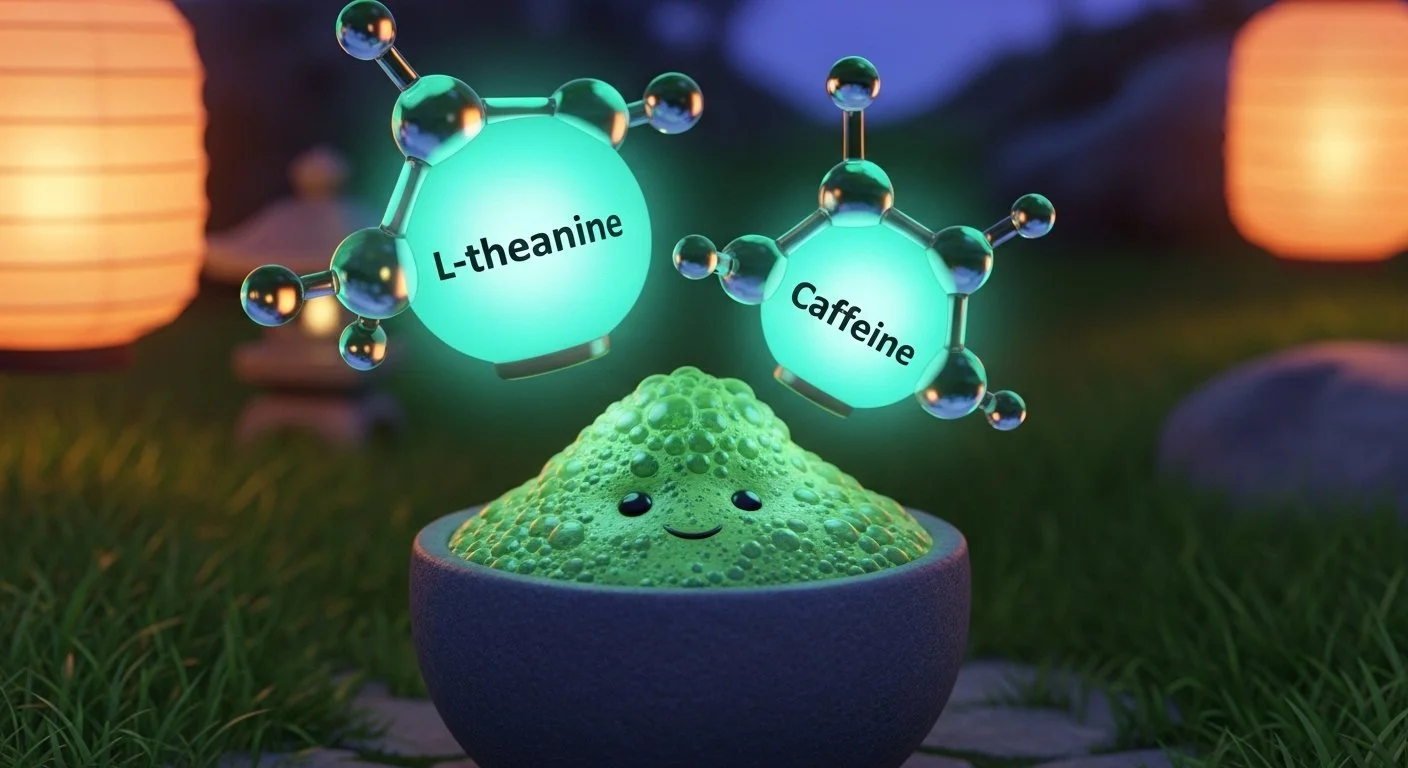
Matcha and Sleep: Why This Green Powder Doesn't Affect Sleep Like Coffee
Discover why your afternoon coffee might be the reason you can’t sleep, and how matcha offers a scientifically-backed alternative. We explore the "L-theanine buffer," and the role of GABA in calming a racing mind.
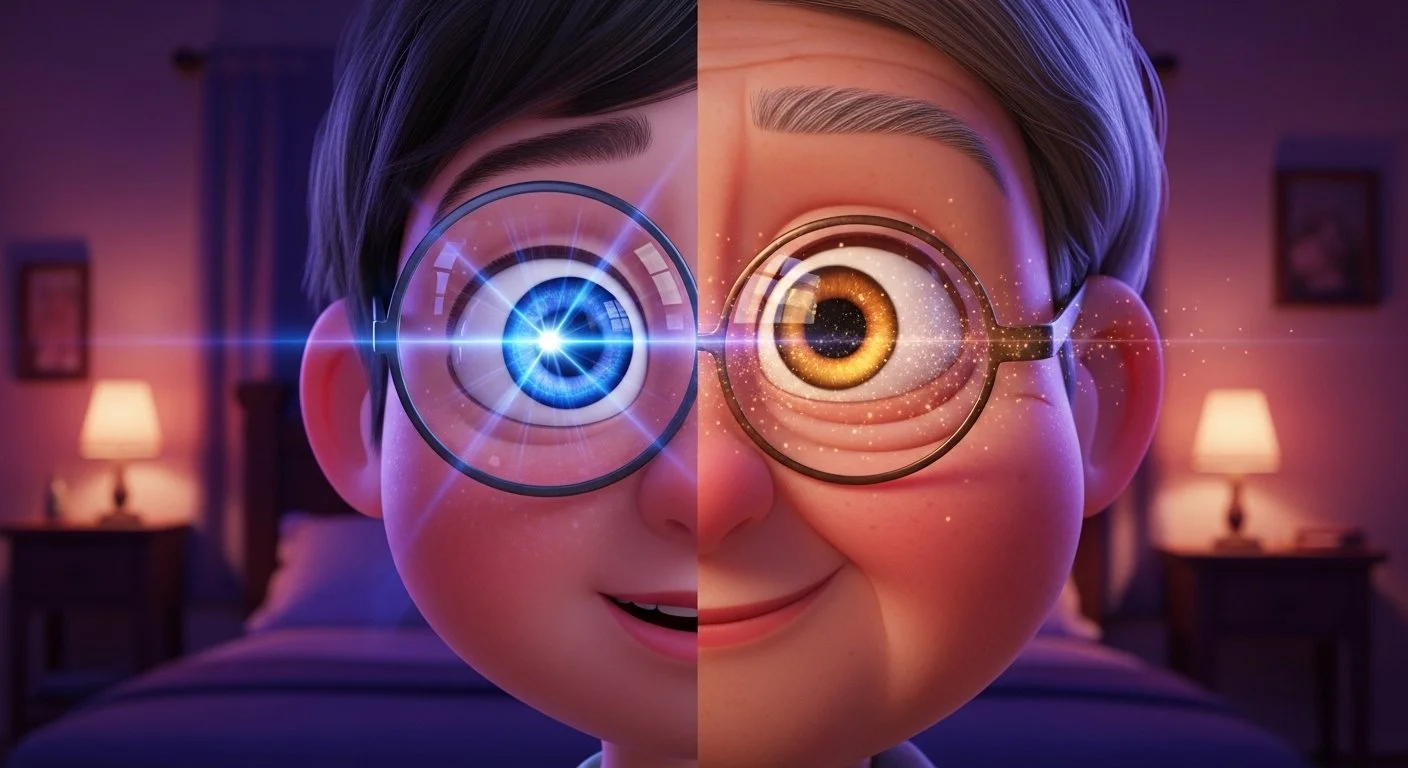
Blue Light Suppresses Teen Melatonin Differently Than Adults
The clarity of our eyes changes as we age, with teenagers possessing "crystalline" lenses that let in significantly more sleep-disrupting blue light than the naturally yellowed lenses of adults. y acknowledging that a teenager’s eyes and brain are physically more vulnerable to light, we can move away from conflict and toward biological solutions.
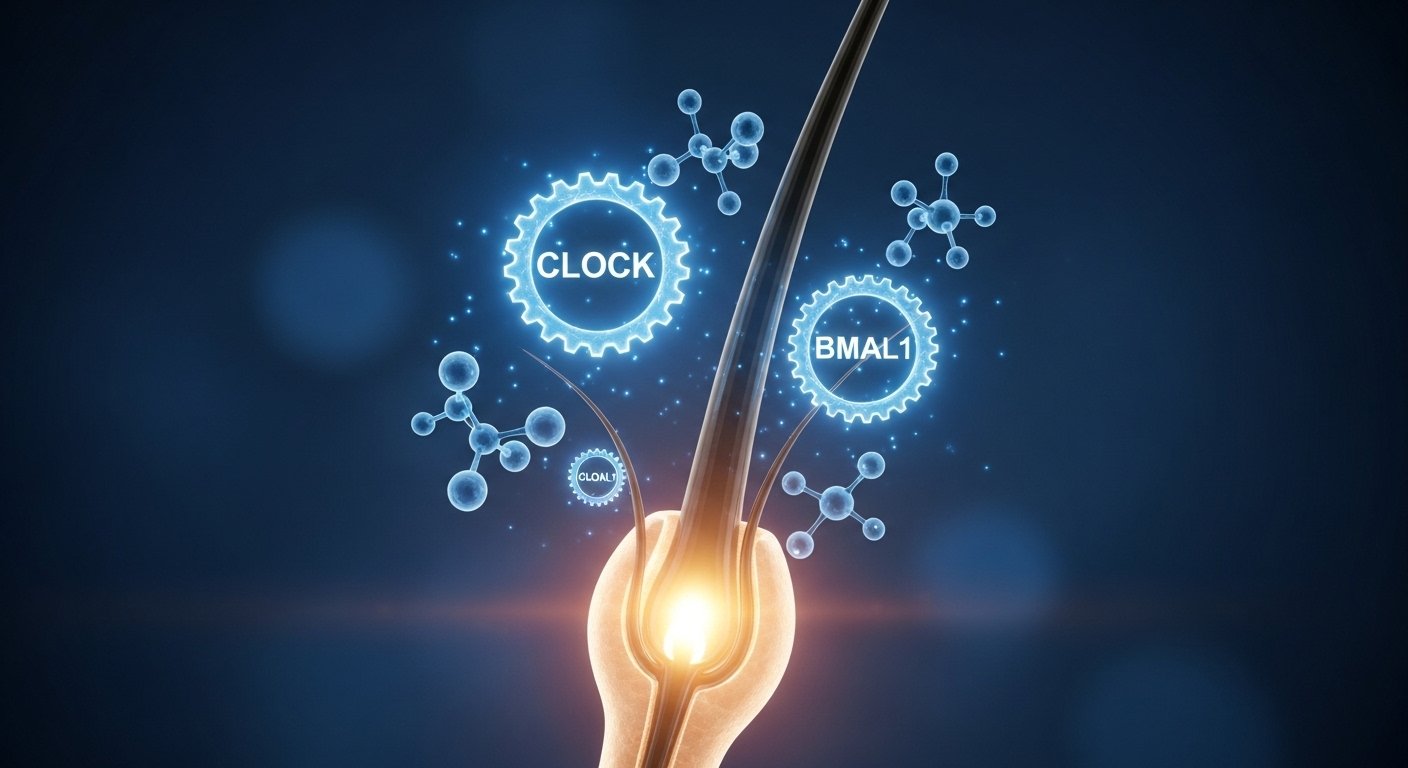
Sleep Is Essential for Your Hair Health
Can a lack of sleep lead to baldness? Research confirms that sleep deprivation directly increases hair loss by disrupting the clock genes in the hair follicle and hormones essential for hair health! Melatonin, cortisol, and growth hormone all dictate your hair's density and health.
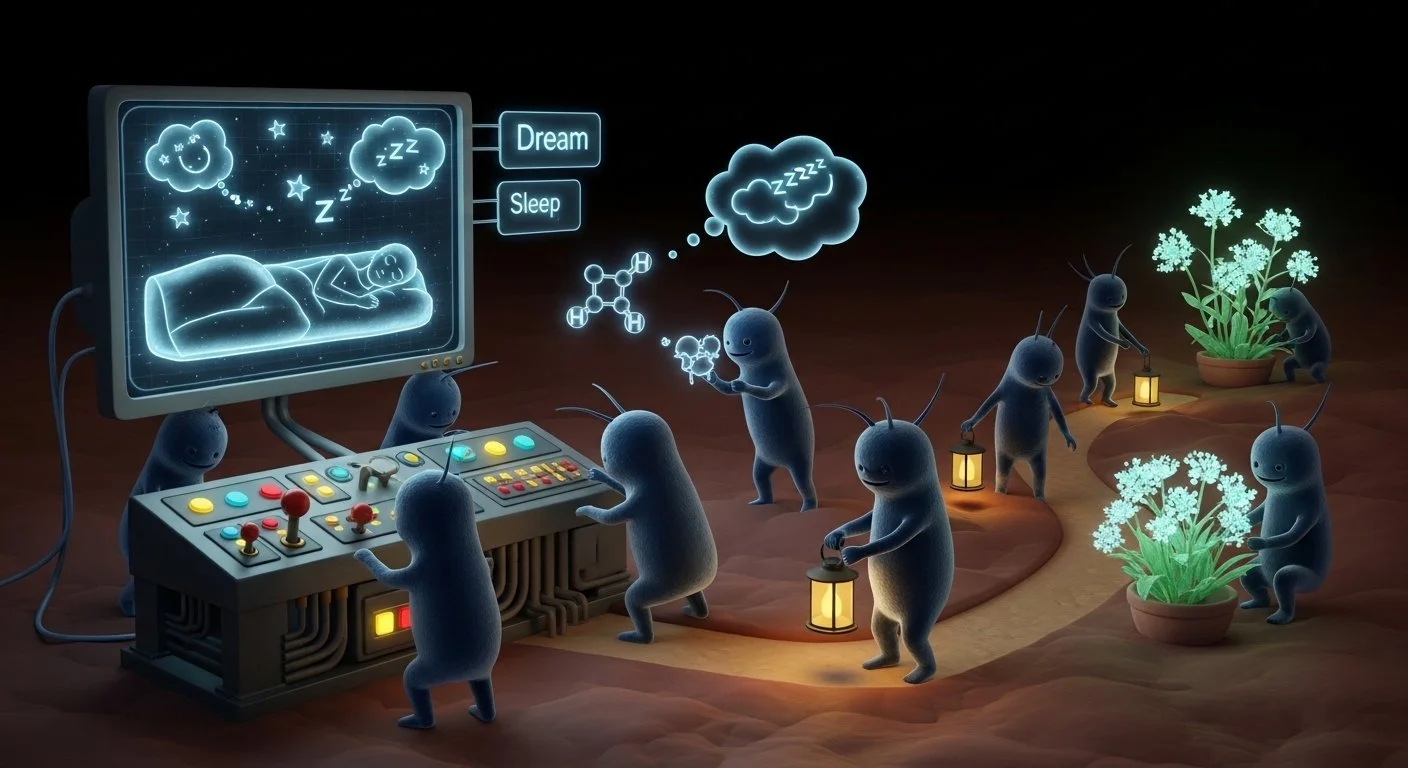
The Gut-Sleep Revolution: Gut Health Unlocks High-Quality Sleep
Unlock the hidden link between your gut health and your dream life. Learn how your "second brain" might be the reason you're waking up tired. Discover the science-backed ways to optimize your gut for deeper, more restorative REM sleep without relying on basic sleep hygiene.
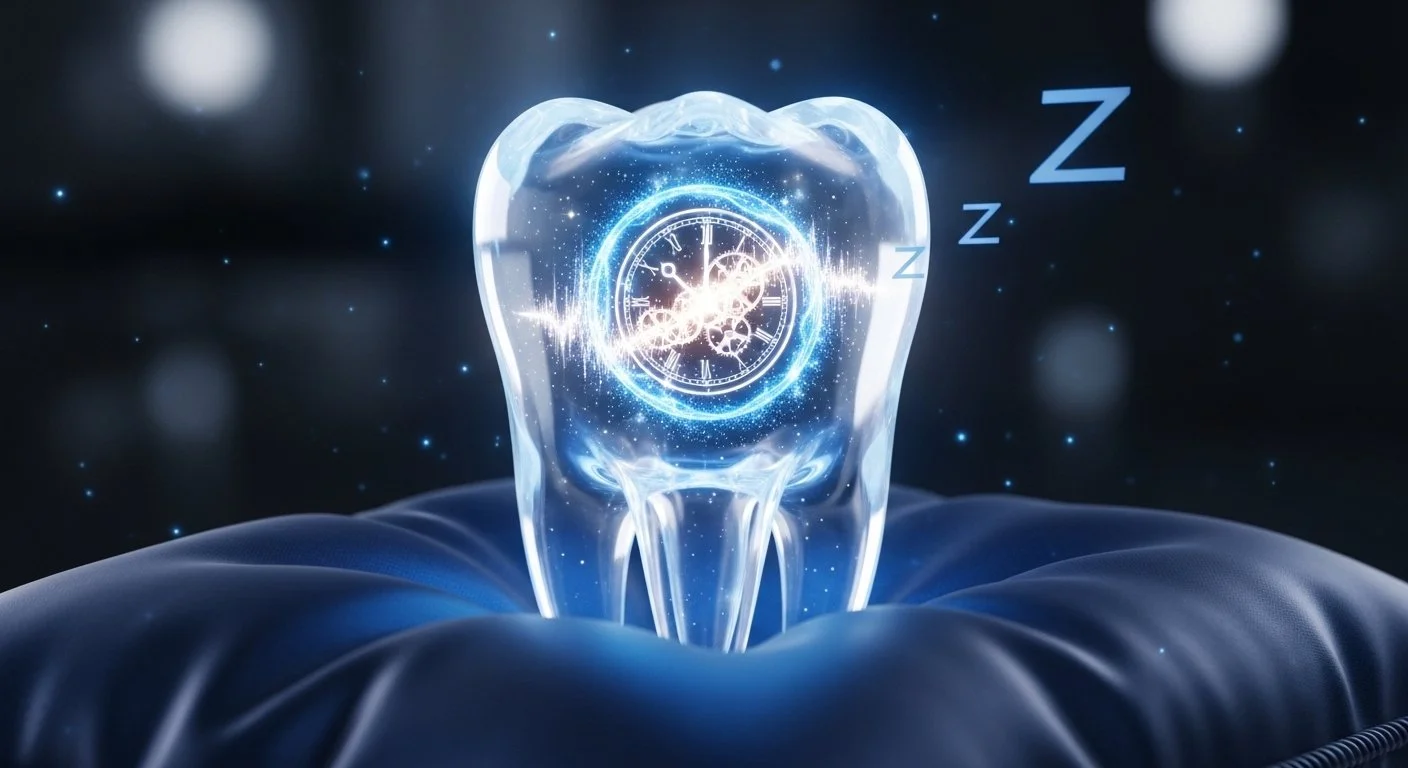
Your Gums Pay the Price for Late Nights
Think your dental health is just about brushing, or struggling with morning breath? Research reveals a powerful "sleep-smile connection" where poor rest triggers gum inflammation and wrecks your oral microbiome. Learn how fragmented sleep jams up cellular water gates, floods your saliva with hidden sugars, and triggers an immune war in your gums.
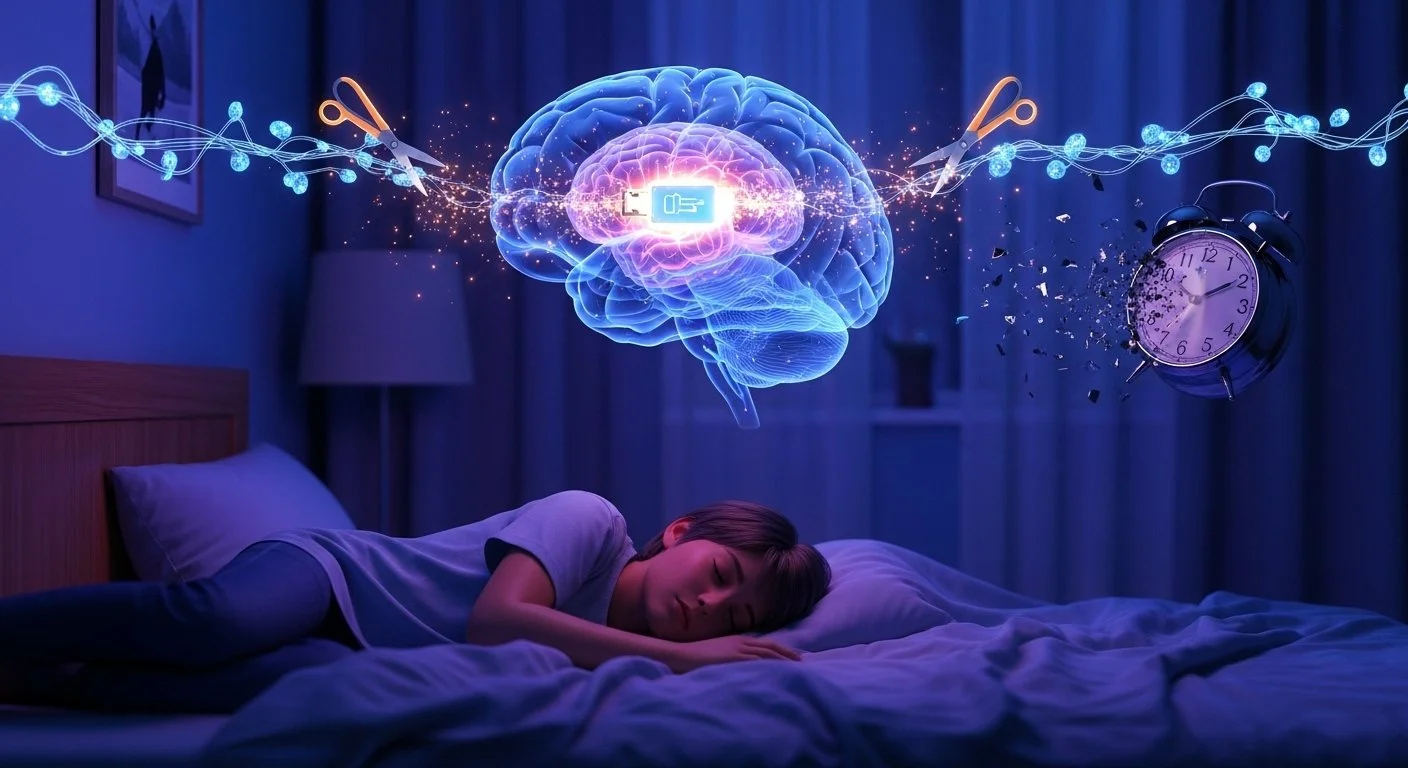
Teen Sleep Health: Price of Social Jetlag
Are your teens moody, foggy, or stressed? It’s not just "being a teenager"—it’s a brain under construction. Learn the science behind Social Jetlag, the melatonin delay, and why the last two hours of sleep are the most critical for emotional health and long-term learning. Discover how to protect the "biological hardware" of the adolescent brain.
How "Social Zeitgebers" Can Reset Your Internal Clock
Our interactions with others signal our brain to stay on a healthy 24-hour cycle. The loss of these cues can lead to the "drifting" sleep cycles seen in depression and anxiety, and we can use "social anchors" to fix our rhythms. Ultimately, staying connected is one of the most powerful, non-medical ways to ensure a good night's rest.
How Scheduled Meals Fight Alzheimer's
Discover how Time-Restricted Feeding for Alzheimer’s is revolutionizing our approach to brain health. Research suggests how a simple 8-hour eating window can clear amyloid plaques, improve sleep, and boost memory.
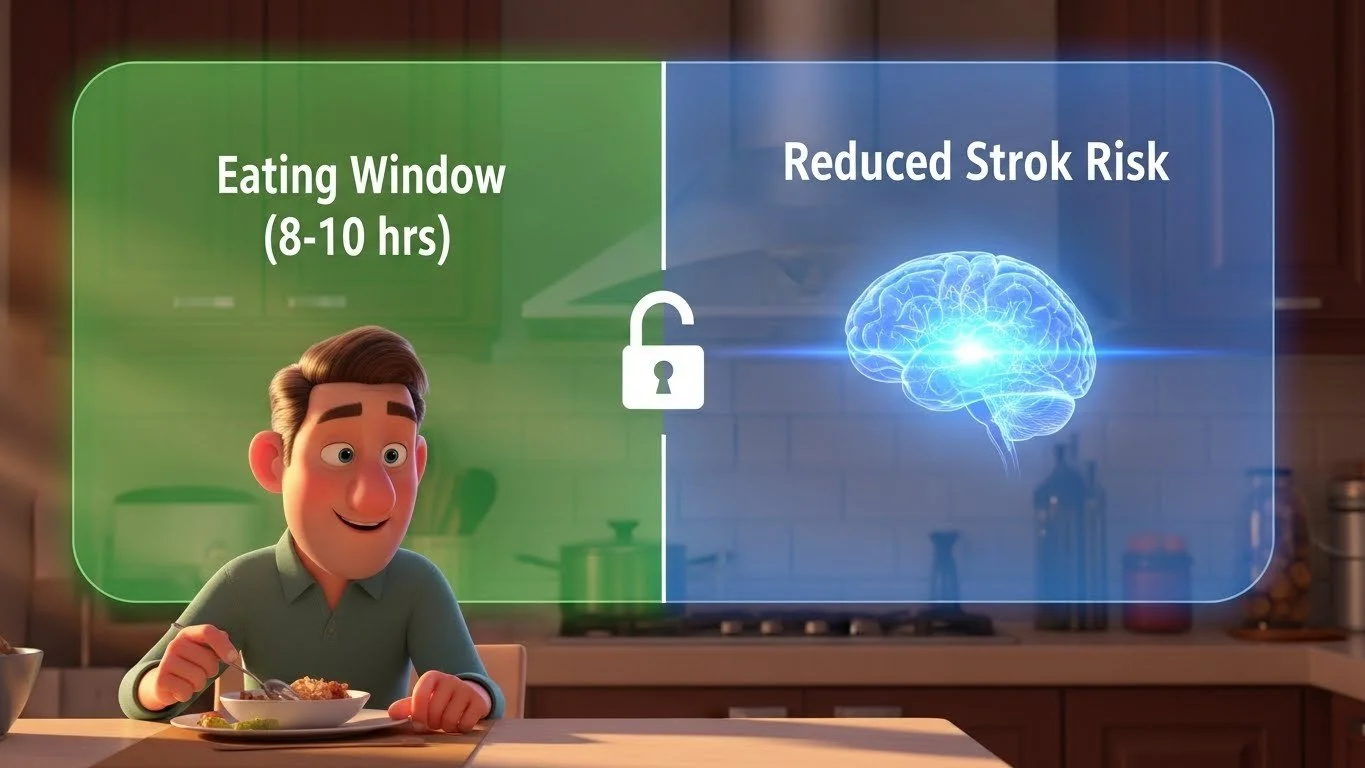
Poor Sleep and Stroke: Time-Restricted Feeding Reduces Stroke Risk
Discover the critical connection between sleep and stroke risk and how your eating habits play a major role. This guide explores how Time-Restricted Feeding (TRF) protects your brain by reducing inflammation and improving sleep quality.
Internal Clock Shapes Mental Health
Your circadian rhythm is a 24-hour master clock that dictates far more than sleep; it's the core regulator of your emotional stability. Learn why a misaligned clock can trigger depression and how consistent meal times and morning light can become your most powerful tools for improving energy, reducing stress, and stabilizing your mental health.
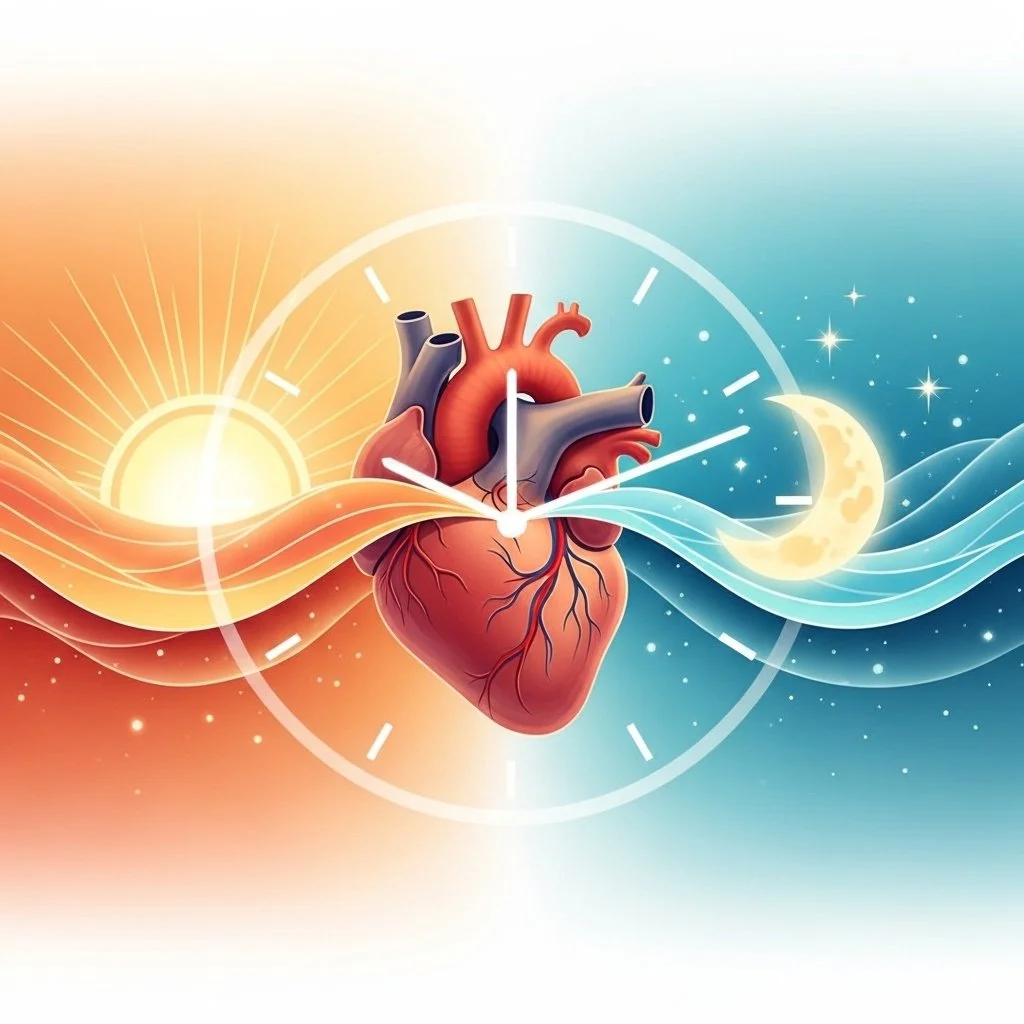
Heartbeats on the Clock
Secret to a Healthy Heart? It's Not Calories—It's Your Clock. Learn how modern life disrupts your natural 24-hour rhythm, increasing your risk of disease. Tune in to understand the dangers of "social jet lag" and shift work, and get practical, actionable strategies.
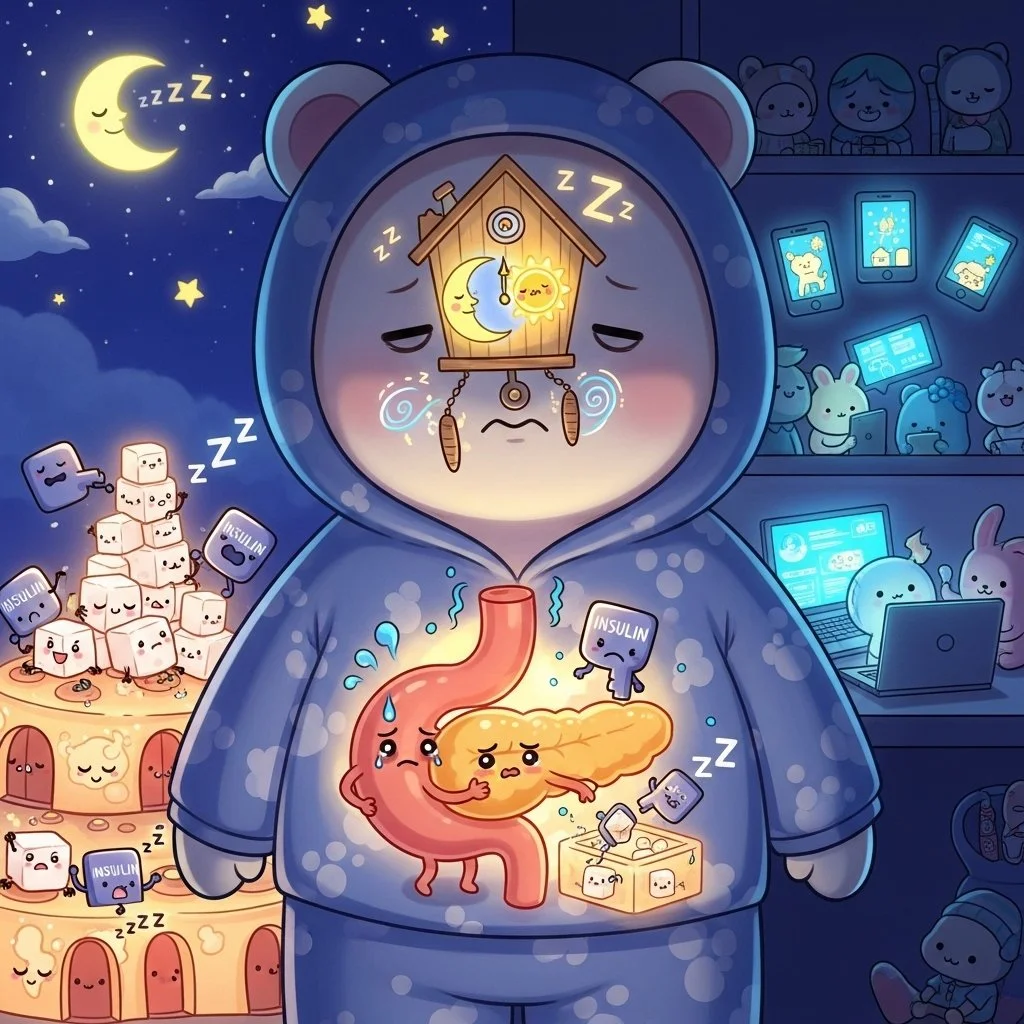
Sleep & Circadian Disruption Fuel Insulin Resistance
Your internal clock is a powerful metabolic controller. Discover the science behind why insufficient sleep, shift work, and irregular schedules actively drive insulin resistance, disrupt hunger hormones, and drastically raise your risk of Type 2 Diabetes.
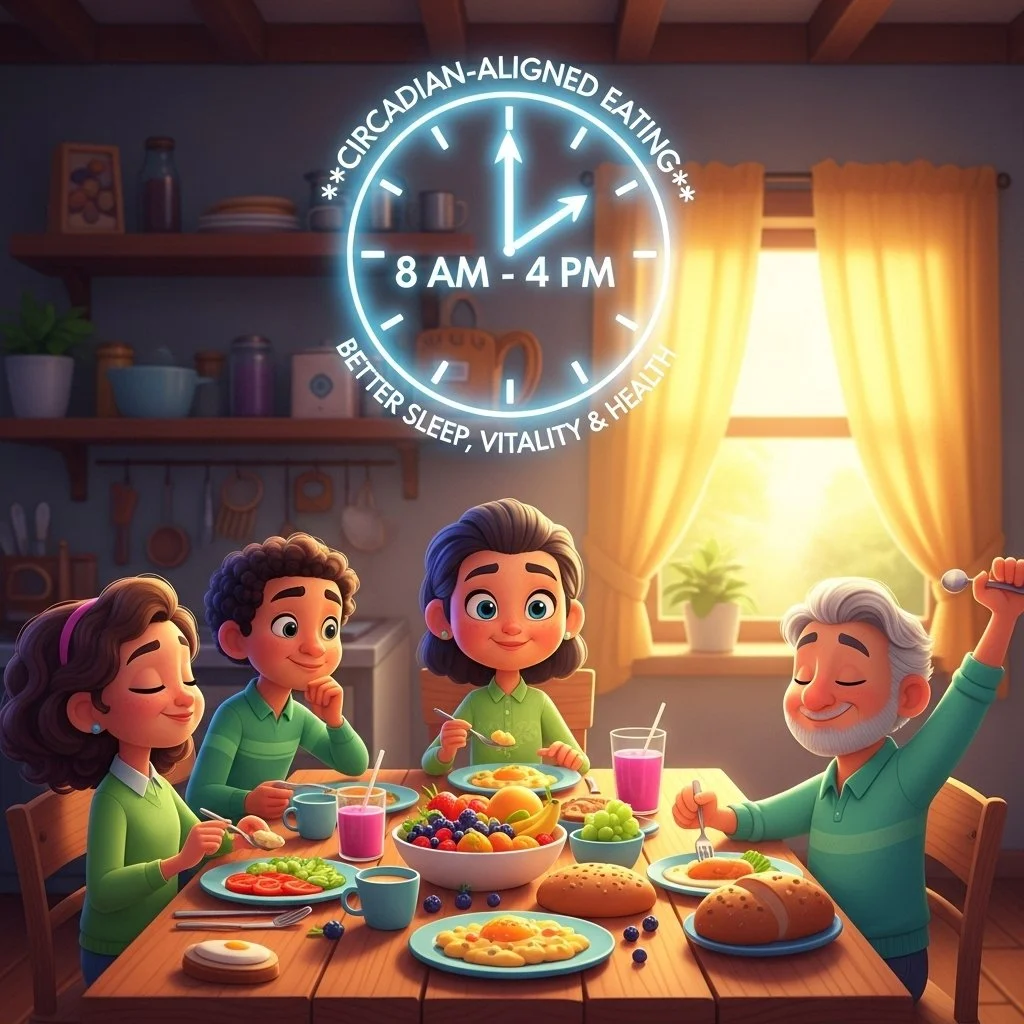
The Clockwork Diet to Unlock Better Sleep and health
Tired of diet fads that don't stick? The secret to boosting your metabolism and getting restorative sleep isn't about what you eat—it’s about when. Discover the powerful science of circadian-aligned eating (TRE), a simple strategy that synchronizes your mealtimes with your body’s natural clock.
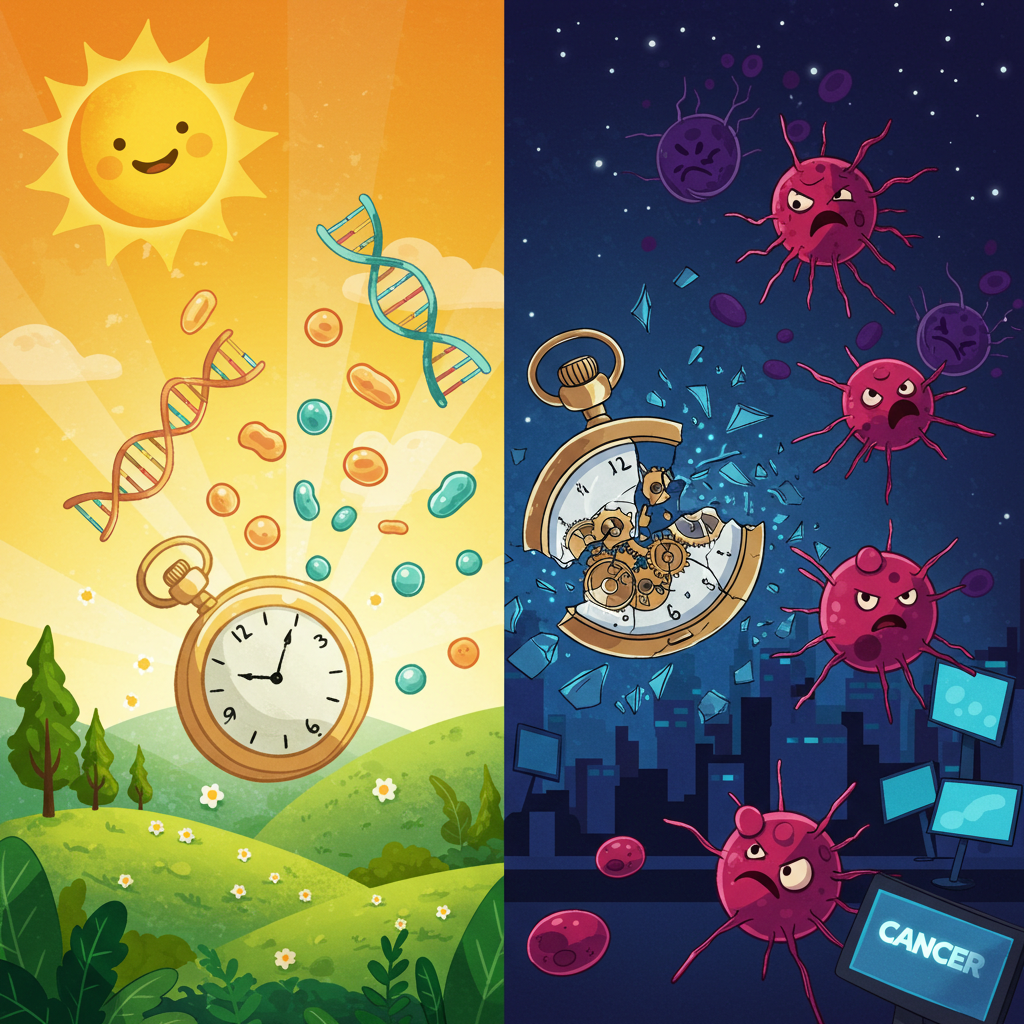
Cancer and the 24/7 Life: Understanding Circadian Disruption as a Risk Factor
Discover the astonishing role your circadian clock plays in regulating DNA repair and tumor growth, why the WHO classified night work as a probable carcinogen, and the simple, powerful steps you can take today to protect your body's delicate rhythm.
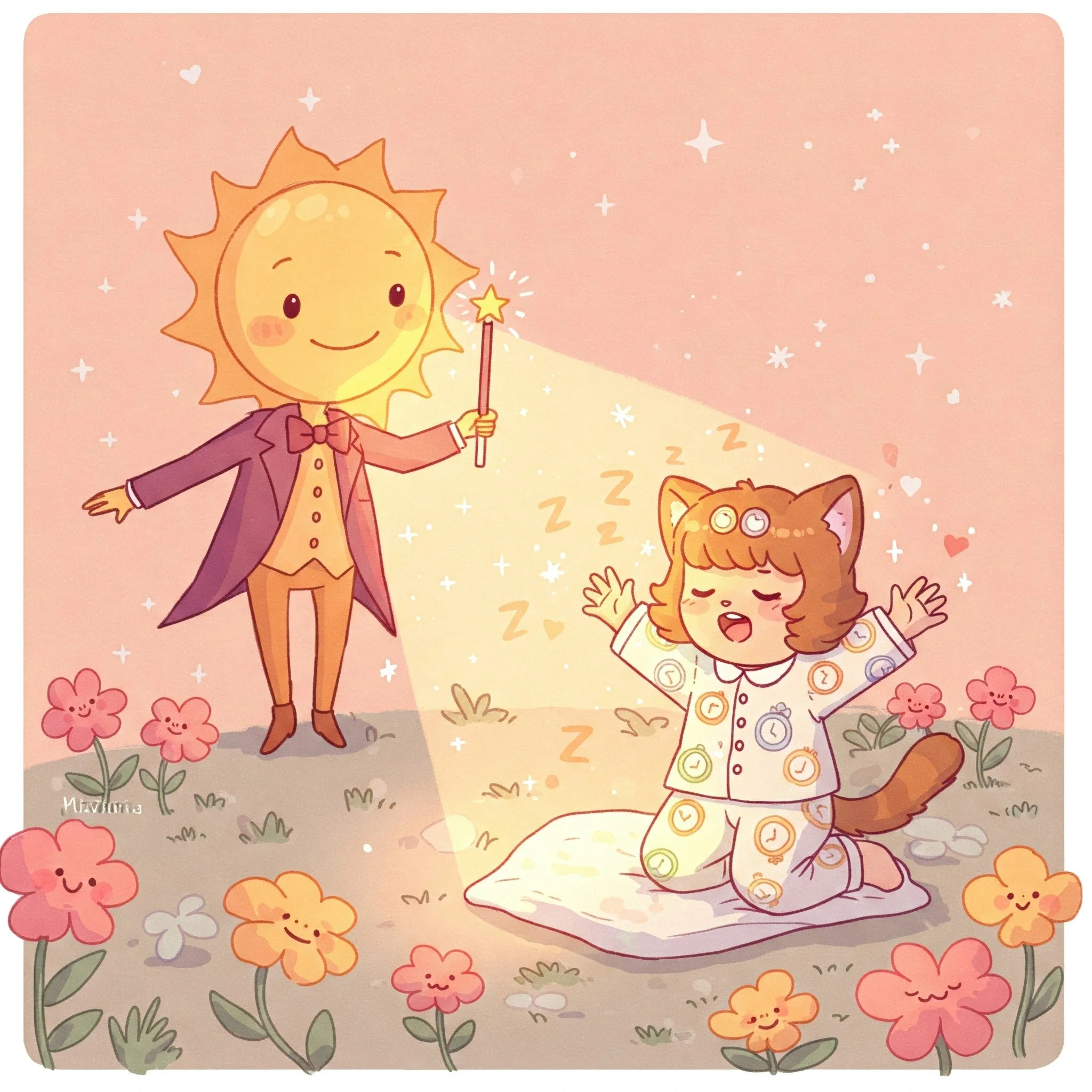
Magic Lights: How Light Controls Your Sleep, Mood, and Metabolism
Light isn't just for seeing; discover how the simple presence of light acts as the powerful conductor of your internal body clock. Learn the surprising science of light, how light signals from the sun—or your phone—dictate your sleep, mood, and health.
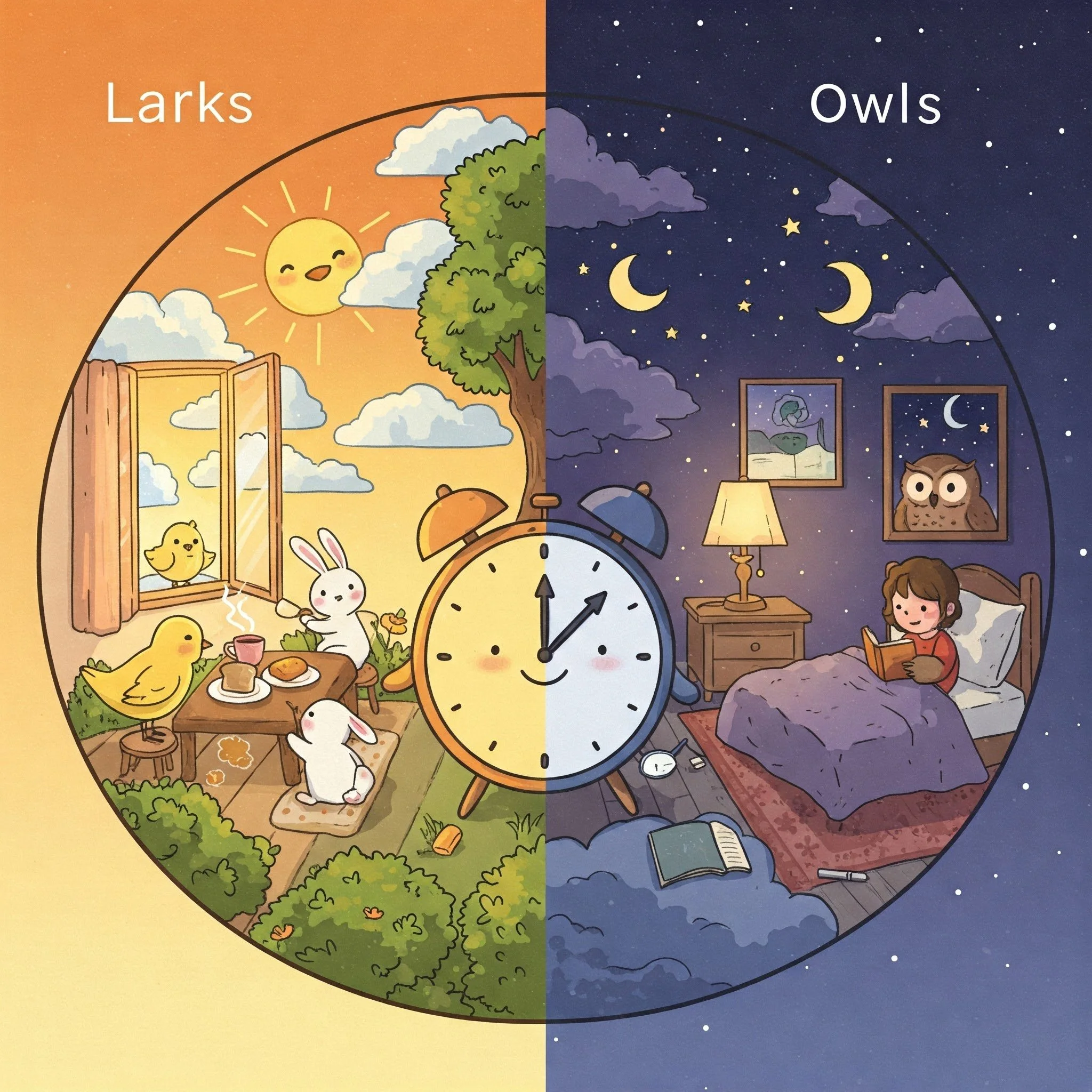
The Wild Rollercoaster of Your Biological Clock.
Why do you jump out of bed as a kid, but need a crowbar to get up as a teenager? Learn why your natural sleep rhythm (your chronotype) is constantly shifting from childhood to old age. Find out how to align your life with your body's inner rhythm for better mood, performance, and health.
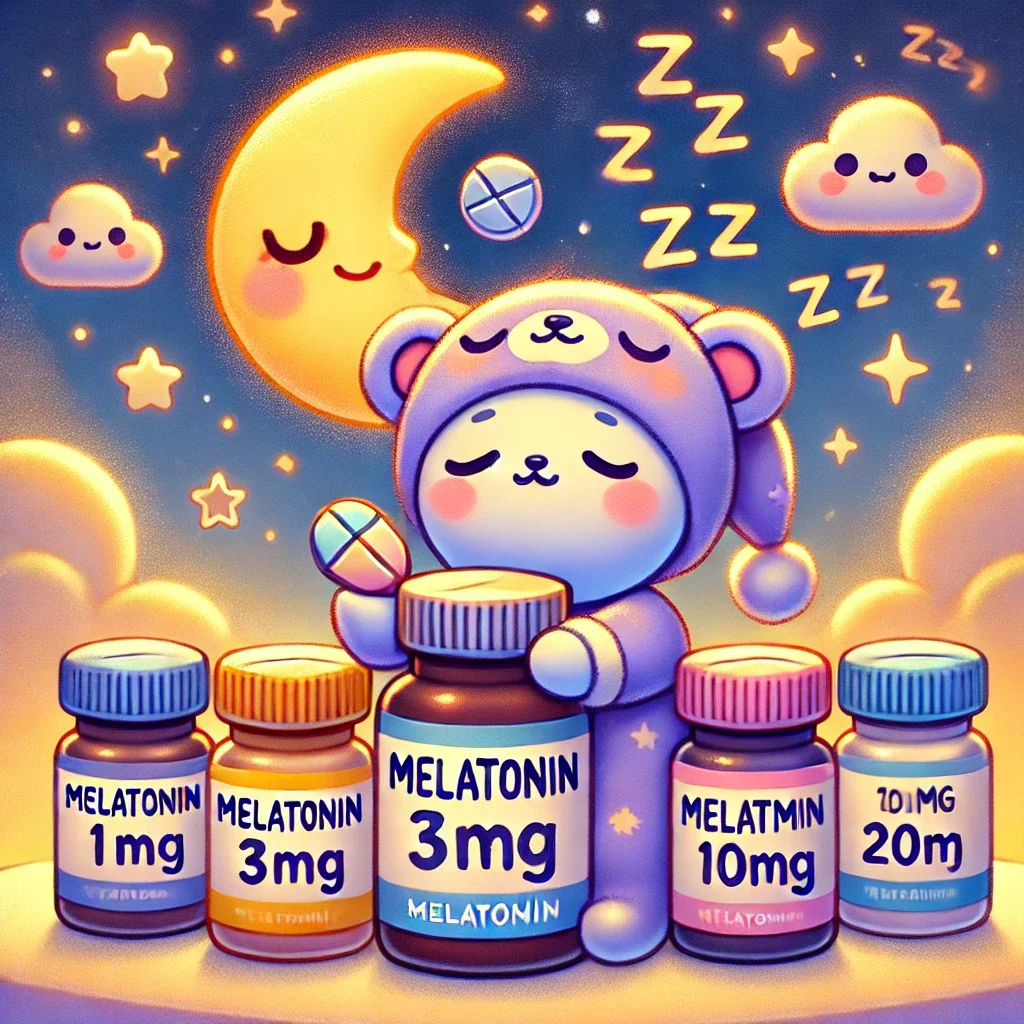
Why Taking More Melatonin Isn't Always Better
We all want better sleep, but that little melatonin pill might be doing more harm than good. We'll reveal how doses above 5mg can quietly mess with your hormonal balance and what "heavy hitter" doses (over 10mg) are doing to your gut and even your liver. If you're using melatonin long-term, you need to read this before you take your next pill.
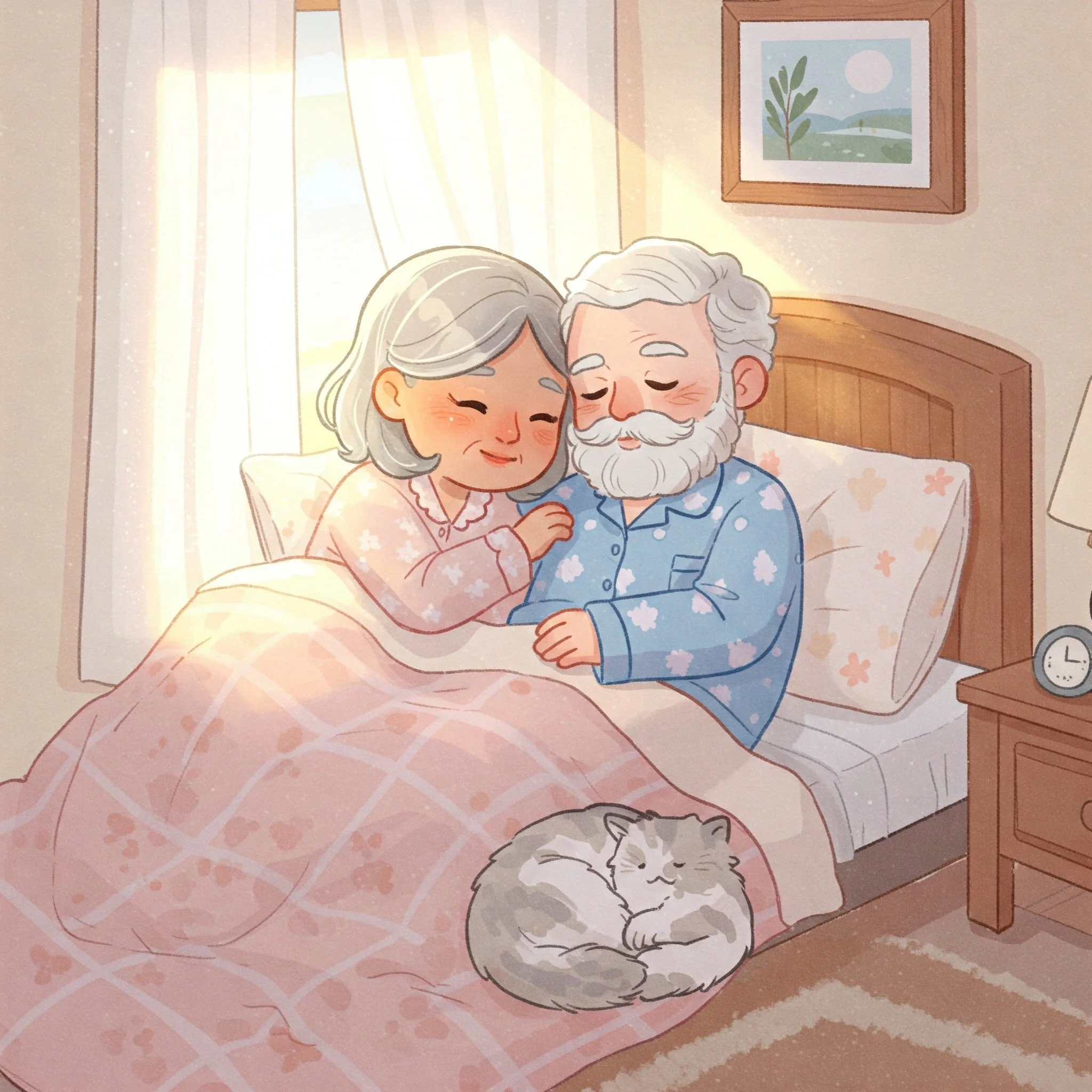
How to Repair the Aging Sleep Clock
As we age, our internal biological clock shifts, making us early birds and turning our deep sleep shallow. Discover the surprising link between aging, your melatonin and cortisol hormones, and your changing sleep schedule. More importantly, learn three simple, actionable steps to recalibrate your body's rhythm and finally achieve the deep, consistent rest you deserve.