Can Cannabis Actually Help You Sleep?
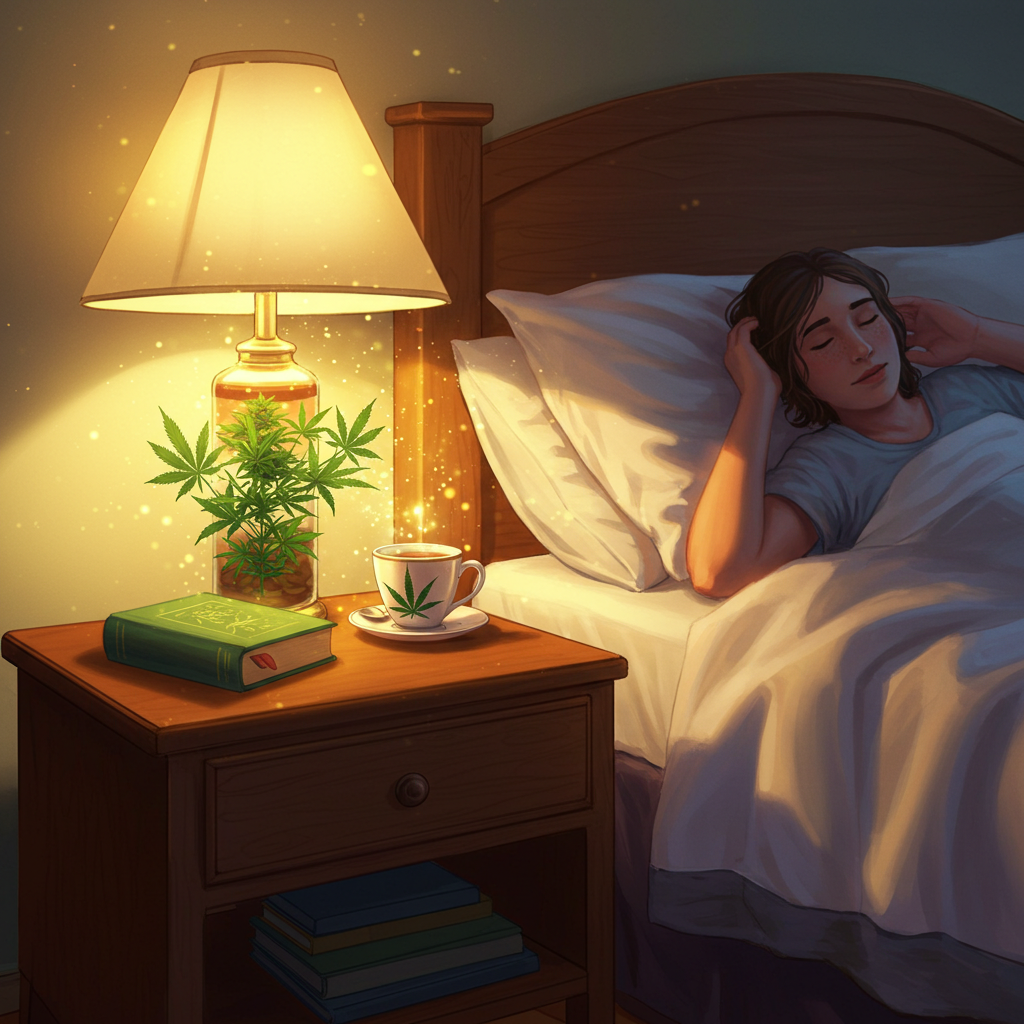
Sleep problems are an epidemic. Whether it’s late-night doom-scrolling, stress, chronic pain, or anxiety, restful nights often feel frustratingly out of reach. As people search for a "safer," more natural alternative to traditional sleeping pills, many are turning to cannabis and its individual compounds—like THC and CBD—for a little midnight relief.
But is using cannabis for sleep a dream come true or a risky gamble? We’ve cut through the hype to bring you the key findings from recent research on what these cannabinoids can—and can’t—do for your sleep.
The Biology of Sleep and the Green Frontier
The reason cannabis may affect your rest is biological: its compounds interact with your body’s endocannabinoid system (ECS), which plays a critical role in regulating everything from arousal and mood to pain and the all-important sleep-wake cycle.
Cannabinoids appear to promote sleep by subtly calming the brain’s arousal system and boosting the sleep-inducing chemical adenosine, resulting in a mild sedative effect.
Two compounds dominate the discussion:
THC (Δ9-tetrahydrocannabinol): This is the compound that causes the "high." At appropriate doses, it tends to be sedating and may significantly reduce the time it takes to fall asleep (sleep onset).
CBD (Cannabidiol): This compound is non-intoxicating and may improve subjective sleep quality in some people. It's thought to work primarily by reducing underlying issues—like anxiety or chronic pain—that are keeping you awake.
For people whose insomnia is linked to an underlying condition, such as chronic pain, anxiety, or PTSD, the benefits of cannabis appear to be more pronounced. Short-term improvements in sleep quality and sleep onset are often reported in these cases. The effect is less a classic sleeping pill and more of an indirect benefit—by easing the pain or quieting the anxiety, rest becomes possible.
The Scientific Reality Check: Mixed Evidence and Real Risks
While the potential benefits are tantalizing, the evidence supporting cannabis as a general sleep aid is mixed and, importantly, still limited. Much of the literature relies on small trials and observational studies, and large, long-term randomized trials are still sorely lacking.
Before considering cannabis for sleep, you need to weigh the proven risks:
Altered Sleep Architecture: One of the most significant drawbacks of THC is its impact on Rapid Eye Movement (REM) sleep. THC decreases the amount of time you spend in REM—the sleep stage vital for processing emotions and cementing new memories. The long-term consequences of chronically reduced REM sleep are not yet fully understood.
Dependence and Withdrawal: Regular, heavy cannabis use can lead to dependence. If you suddenly stop, you may experience withdrawal symptoms, including rebound insomnia, bizarre dreams, and fragmented sleep that leave you feeling worse than when you started.
Worsened Sleep Over Time: Paradoxically, studies suggest that heavy or long-term daily cannabis use may ultimately impair sleep quality. This can lead to less overall sleep, less time in the deepest, most restorative stages of sleep, and frequent nighttime awakenings.
Next-Day Impairment: Even if you sleep, THC can cause significant next-day side effects, including drowsiness, cognitive effects, and impaired attention and reaction time, which can compromise driving ability for hours after use.
Practical Advice for Considering Cannabinoids
If you are struggling with chronic insomnia, it is crucial to start with the gold standard treatment: Cognitive Behavioral Therapy for Insomnia (CBT-I). CBT-I offers robust, long-term benefits without the risks of medication.
If you are still considering cannabis, approach the decision thoughtfully and, ideally, with a clinician’s guidance:
Determine the Cause: Is your insomnia driven by a pain flare or overwhelming anxiety? Addressing that underlying issue is always more effective than simply masking it with a sleep aid.
Start Low and Monitor: Begin with the very lowest effective dose. Since long-term benefits and harms are not yet fully known, a limited, monitored trial is the most prudent approach rather than committing to indefinite nightly use.
CBD vs. THC: CBD is generally well tolerated, lacks psychoactive properties, and evidence suggests potential benefit at doses studied (e.g., around 150 mg nightly), primarily by reducing anxiety. If considering THC, use extreme caution. Start with a very small dose (such as 1.5 mg for edibles), avoid daily heavy use, and never drive or operate heavy machinery until you know how the product affects you.
Consult a Clinician: CBD and THC can interact with other medications, especially those processed by the liver, so it’s essential to consult a doctor or pharmacist.
The bottom line is that recent research shows promise but not proof. Cannabinoids can certainly help some people sleep, particularly when their insomnia is linked to co-morbid conditions like pain or anxiety. However, the benefits are often modest, and risks like dependence and altered sleep architecture are real.
Informed, moderate, and intermittent use—focusing on the lowest effective dose with careful monitoring—is the key to navigating this emerging, complex sleep option.
-
Suraev, A., Suraev, A. S., Suraev, A. H., Suraev, A. J., Grunstein, R. R., & Suraev, A. P. (2022). Cannabis use in patients with insomnia and sleep disorders: Retrospective chart review. Primary Care Companion for CNS Disorders, 24(3), 21m03164.
de Almeida, C. M. O., A. A., B. B., C. C., & D. D. (2021). Effects of Cannabinoids on Sleep and their Therapeutic Potential for Sleep Disorders. Neuropharmacology, 191, 108544.
de Almeida, D. L., & Devi, L. A. (2022). Is There a Place for Medicinal Cannabis in Treating Patients with Sleep Disorders? What We Know so Far. Drugs in Context, 11, 2022-5-4.
Borrego-Ruiz, A., & Carmona-Hidalgo, F. J. (2025). A Holistic Review of Cannabis and Its Potential Risks and Benefits in Mental Health. Surfaces, 6(3), 92.