Strategies for Functioning on No Sleep
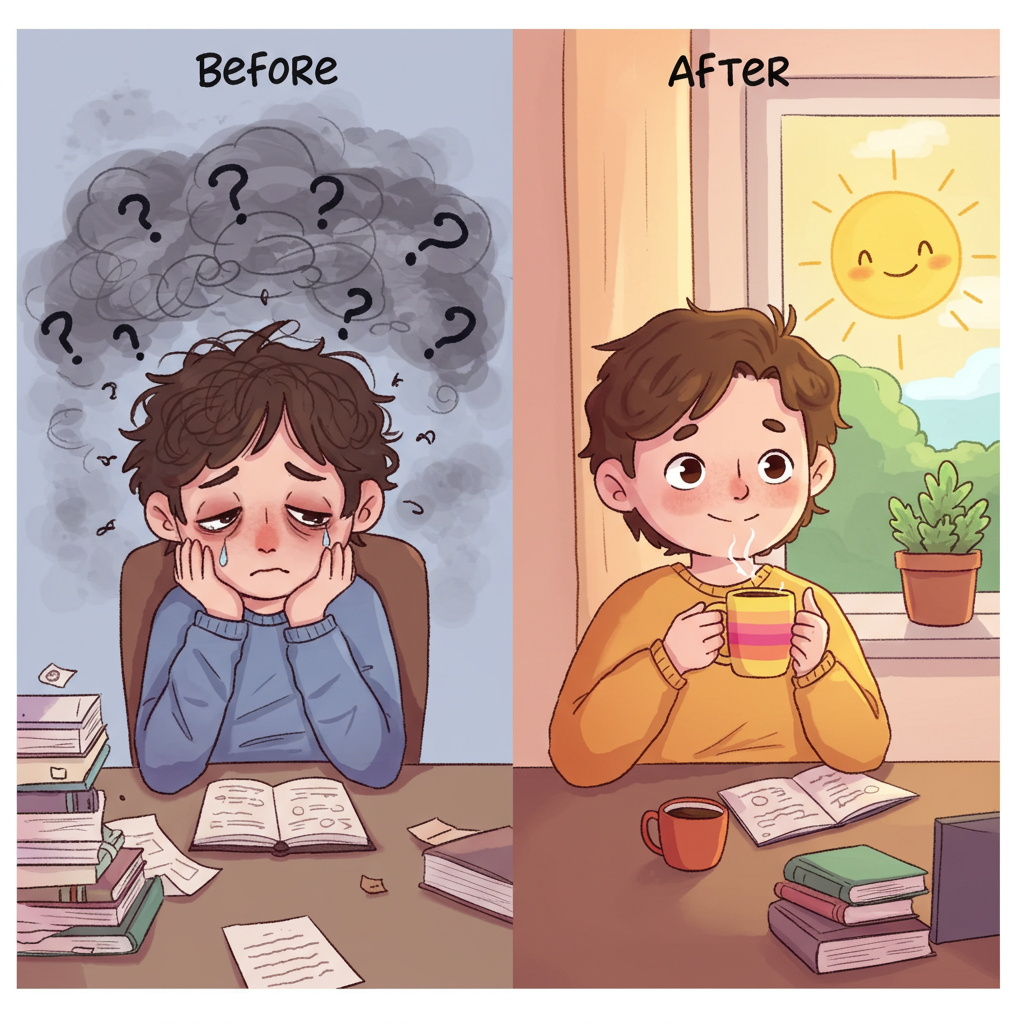
The silent, dragging hours of a sleepless night often give way to a challenging and disorienting day. Whether due to acute stress, a demanding project, or chronic insomnia, nearly everyone has faced the daunting task of functioning on little to no rest. While there is no true substitute for restorative sleep, a strategic approach can help mitigate the severe effects of sleep deprivation and allow one to navigate the day more safely and effectively. By understanding the immediate impacts of sleep loss on the brain and body, and by employing targeted strategies involving strategic rest, mindful consumption, and biological cues, it is possible to manage the day after a sleepless night and begin the path to recovery.
The Brain in Crisis: Cognitive and Emotional Toll
The most immediate and profound consequence of sleep deprivation is a significant decline in cognitive function. Sleep is a critical period for neural housekeeping, including the consolidation of memories and the clearing of metabolic waste products. When this process is skipped, the brain's prefrontal cortex—the region responsible for executive functions like judgment, planning, and problem-solving—is heavily impaired. This creates a mental fog that makes complex tasks difficult and critical decision-making unreliable.
Scientific research starkly illustrates these dangers. Studies have shown that after approximately 18-20 hours of wakefulness, a person's cognitive impairment is equivalent to having a blood alcohol content (BAC) of 0.05%, and after 24 hours, it rises to the equivalent of 0.10%, which is above the legal limit for driving in most places. This deficit is not merely cognitive; it's emotional. Sleep deprivation leads to a hyperactive amygdala, the brain's emotional control center, resulting in heightened irritability, mood swings, and a diminished capacity to manage stress, which can strain both social and professional interactions.
Strategic Interventions: Caffeine and the Art of the Power Nap
To combat overwhelming fatigue, many turn to caffeine, but its use is most effective when it is strategic. Caffeine works by blocking adenosine receptors in the brain. Adenosine is a neurotransmitter that builds up throughout the day, creating "sleep pressure" that makes you feel tired. By blocking its effects, caffeine promotes temporary alertness. For the best results, experts suggest consuming it in small, regular doses (e.g., a small coffee every few hours) rather than in one large amount, which can cause jitters and a subsequent crash. To protect the next night's sleep, it is crucial to cease all caffeine intake at least eight hours before your intended bedtime.
Alongside caffeine, a short "power nap" can be incredibly restorative. Research conducted by NASA on military pilots and astronauts found that a 26-minute nap improved performance by 34% and alertness by 54%. The ideal power nap is between 10 to 20 minutes. This duration provides significant cognitive benefits without allowing the brain to enter the deeper stages of slow-wave sleep. Waking from deep sleep can induce a state of grogginess and disorientation known as "sleep inertia," which can temporarily worsen performance.
Hacking Your Biology: Environment, Nutrition, and Hydration
Beyond stimulants and short rests, leveraging your environment is key to promoting wakefulness. Exposure to bright, natural sunlight is a powerful tool. Light is the primary signal for the body's master clock, the suprachiasmatic nucleus (SCN) in the hypothalamus, which governs our circadian rhythms. Morning sunlight signals the SCN to suppress the production of melatonin, the hormone that regulates sleep, thereby increasing alertness. Starting the day with a walk outside or working near a window can make a noticeable difference.
Proper nutrition and hydration are also essential. When tired, the body often craves high-sugar, high-carbohydrate foods for a quick energy burst. However, these lead to a rapid spike and subsequent crash in blood sugar, ultimately increasing fatigue. A better approach is to opt for meals rich in lean protein, complex carbohydrates, and healthy fats, which provide sustained energy. Furthermore, even mild dehydration can exacerbate feelings of lethargy and impair concentration, so drinking plenty of water throughout the day is critical.
Acknowledging Limitations: The Path to Recovery
Ultimately, these strategies are short-term coping mechanisms, not a cure for sleep loss. Sleep deprivation creates a "sleep debt," a cumulative deficit that can only be repaid with sufficient restorative sleep over subsequent nights. The day after a sleepless night should be about simplification and survival; postpone major decisions, break down necessary tasks into smaller, manageable steps, and be realistic about productivity. The primary goal is to get through the day safely and set the stage for a full night of restorative sleep. By acknowledging the body's profound need for rest, one can better manage the immediate challenges and begin the crucial process of recovery.
-
Spiegel, K., Tasali, E., Penev, P., & Van Cauter, E. (2004). Brief communication: Sleep curtailment in healthy young men is associated with decreased leptin levels, elevated ghrelin levels, and increased hunger and appetite. Annals of Internal Medicine, 141(11), 846–850.
Killgore, W. D. (2010). Effects of sleep deprivation on cognition. Progress in Brain Research, 185, 105–129.
Yoo, S. S., Gujar, N., Hu, P., Jolesz, F. A., & Walker, M. P. (2007). The human emotional brain without sleep -- a prefrontal amygdala disconnect. Current Biology, 17(20), R877–R878.
Czeisler, C. A. (2013). Perspective: Casting light on sleep deficiency. Nature, 497(7450), S13.