Menopause and Sleep
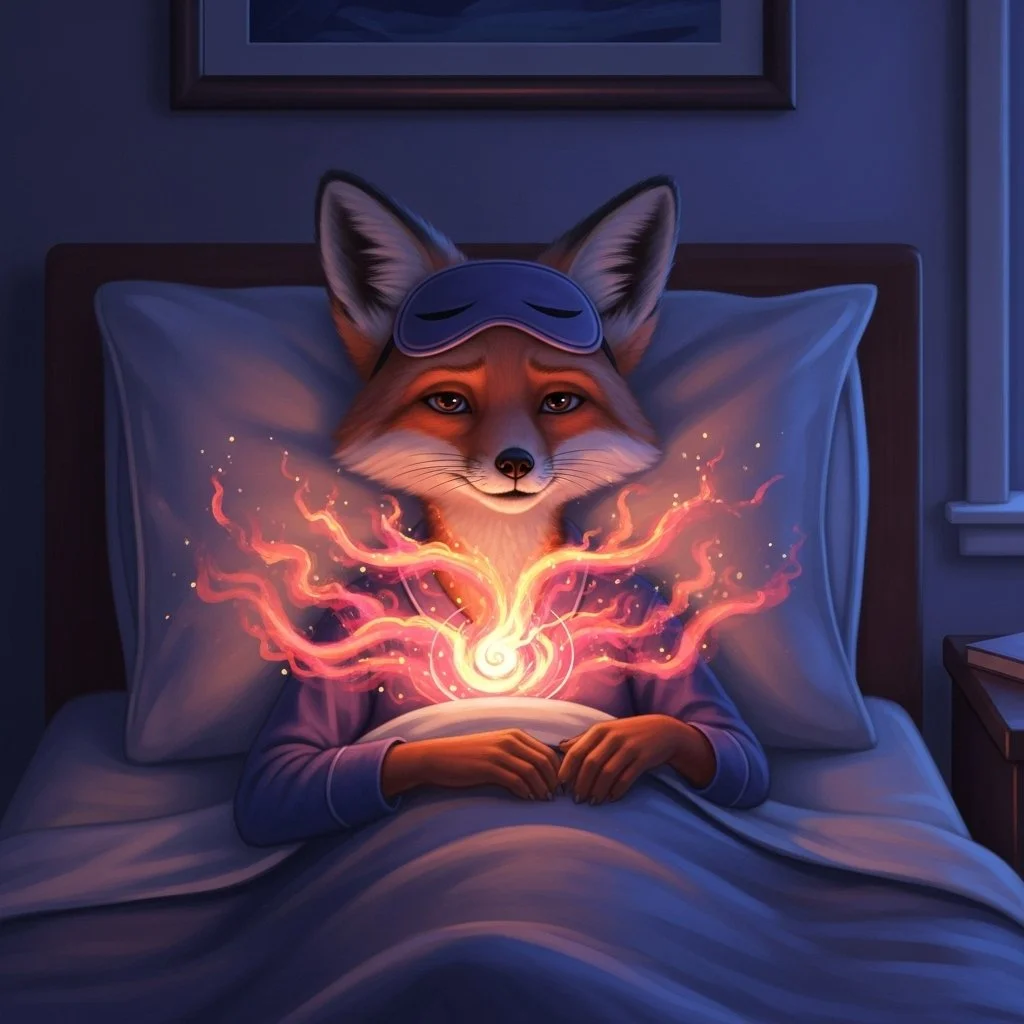
Surveys suggest that over 80% of women struggle with poor sleep during menopause, making it a persistent and debilitating symptom that impacts every aspect of daily life. So, why does the transition—typically occurring between the ages of 45 and 55—turn your peaceful nights into a battlefield? The answer, as with most things in midlife, lies in a hormonal storm.
The Root Cause: A Hormonal House Unsettled
Menopause is defined by the sharp decline of key reproductive hormones, primarily estrogen and progesterone. These hormones are not just for reproduction; they are critical sleep regulators.
Estrogen's Balancing Act: Estrogen helps stabilize the mood- and sleep-promoting neurotransmitters in your brain. When it drops, this delicate balance is disrupted, leading to fragmented, shallow sleep.
Progesterone's Sedative Touch: Progesterone has a natural, mild sedative effect and helps stabilize your airway while you sleep. When this hormone retreats, sleep depth can decrease, and you may become more vulnerable to breathing issues.
The Heat Nightmare (Hot Flashes): The most notorious culprits are vasomotor symptoms (VMS)—those sudden, disruptive hot flashes and night sweats. They are the ultimate sleep wreckers, causing immediate, unwanted awakenings that make it nearly impossible to fall back into a restorative sleep cycle.
Beyond the hormones, other factors join the fight: anxiety, depression, increased urinary symptoms, and the natural weight gain that accompanies midlife can all compound the issue, often worsening sleep-disordered breathing like sleep apnea.
More Than Just Tired
The effects of chronic poor sleep go far beyond just feeling sluggish. The consequences can be profound and long-lasting:
Brain Fog and Mood: You might feel more anxious, irritable, and suffer from the frustrating "brain fog"—problems with memory, concentration, and feeling mentally scattered. This cognitive strain can severely diminish your quality of life.
Physical Health Risks: Long-term sleep deprivation in midlife is a serious health concern. It increases your risk of developing hypertension, weight gain, type 2 diabetes, and cardiovascular issues.
This isn't just about feeling tired; it’s about protecting your long-term health and cognitive function.
Practical Steps to Reclaim Your Nights
The good news is that you have power in this fight. Proactive management starts with setting yourself up for success, beginning tonight.
1. Master Your Sleep Environment
Cool It Down: This is non-negotiable. Night sweats are temperature-sensitive, so aim for a bedroom temperature between 60–67°F.
Lighten Up: Choose lightweight, breathable cotton or wicking-fabric nightwear and bedding.
Consistency is Key: Stick to a regular sleep schedule, even on weekends, to stabilize your internal clock.
2. Fine-Tune Your Evening Routine
The Great Unwind: Before bed, swap screen time for a calming activity like deep breathing, meditation, or a warm bath. This helps lower the stress hormone cortisol.
Avoid the Triggers: Steer clear of alcohol, caffeine, and heavy, spicy meals close to bedtime, as they can all fire up those hot flashes.
The 20-Minute Rule: If you wake up and can’t fall back asleep within 20 minutes, get out of bed. Do a quiet, boring activity in dim light until you feel genuinely sleepy, then return. This teaches your brain that the bed is only for sleeping.
3. Prioritize Daytime Wellness
Move Your Body: Regular physical activity—even a brisk daily walk or yoga—can significantly improve sleep quality and reduce the time it takes to fall asleep.
Embrace Daylight: Exposure to natural light, especially in the morning, helps solidify your body's natural circadian rhythm.
If robust lifestyle changes aren't enough, it’s time to consult your healthcare provider. Structured treatments offer powerful, evidence-based relief:
CBT for Insomnia (CBT-I)
Who It Helps Most: Anyone with chronic insomnia.
A non-medication, first-line approach that helps permanently rewire your sleep patterns.
Hormone Replacement Therapy (HRT/MHT)
Who It Helps Most: Women whose main disruptor is severe hot flashes/night sweats.
Highly effective at treating the root cause (VMS) and restoring sleep quality.
Non-Hormonal Medications
Who It Helps Most: Those who cannot or prefer not to use HRT.
Options like specific antidepressants (SSRIs/SNRIs) or gabapentin can help manage hot flashes and improve mood/sleep.
And remember, if you snore loudly or wake up gasping, ask your doctor about screening for sleep apnea. Treating an underlying breathing disorder can be life-changing.
-
Yang, J. L., Hodara, E., Sriprasert, I., Shoupe, D., & Stanczyk, F. Z. (2024). Estrogen deficiency in the menopause and the role of hormone therapy: integrating the findings of basic science research with clinical trials. Menopause. Retrieved from https://pmc.ncbi.nlm.nih.gov/articles/PMC12072814/
Zhou, Q., et al. (2021). Investigation of the relationship between hot flashes, sweating and sleep disturbance. BMC Women's Health. Retrieved from https://bmcwomenshealth.biomedcentral.com/articles/10.1186/s12905-021-01433-y
Ntikoudi, A., et al. (2024). The effectiveness of cognitive behavioral therapy on insomnia in menopausal women. PMC: National Center for Biotechnology Information. Retrieved from https://pmc.ncbi.nlm.nih.gov/articles/PMC11595697/
Lee, S. R. (2020). The 2020 menopausal hormone therapy guidelines. PMC: National Center for Biotechnology Information. Retrieved from https://pmc.ncbi.nlm.nih.gov/articles/PMC7475284/
Garg, R., & Munshi, A. (2025). Sleep and brain function at menopause. Journal of Mid-Life Health. Retrieved from https://pmc.ncbi.nlm.nih.gov/articles/PMC11824937/
Peacock, K., Carlson, K., & Ketvertis, K. (2025). Menopause. In StatPearls [Internet]. StatPearls Publishing. Retrieved from https://www.ncbi.nlm.nih.gov/books/NBK507826/