Teenager Sleep: The Biological Shift
Teenagers are often unfairly labeled as "lazy" for sleeping in, but science tells a different story. During adolescence, the circadian clock undergoes a biological shift, pushing sleep cycles later while academic and social pressures pull them earlier. We examine the unique challenges of the teenage brain, the impact of blue light, and how prioritizing rest can transform mental health, academic performance, and athletic recovery.
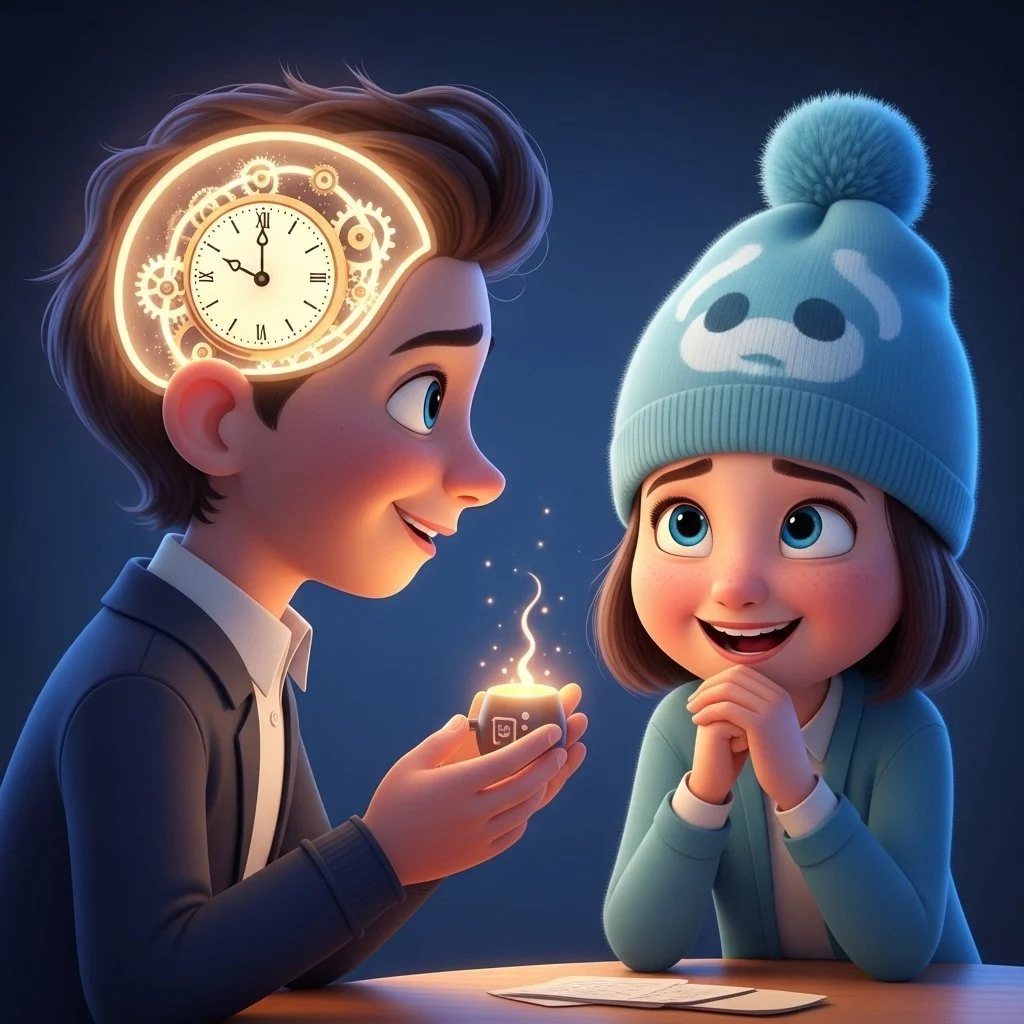
Internal Clock Shapes Mental Health
Your circadian rhythm is a 24-hour master clock that dictates far more than sleep; it's the core regulator of your emotional stability. Learn why a misaligned clock can trigger depression and how consistent meal times and morning light can become your most powerful tools for improving energy, reducing stress, and stabilizing your mental health.