Teenager Sleep: The Biological Shift
Teenagers are often unfairly labeled as "lazy" for sleeping in, but science tells a different story. During adolescence, the circadian clock undergoes a biological shift, pushing sleep cycles later while academic and social pressures pull them earlier. We examine the unique challenges of the teenage brain, the impact of blue light, and how prioritizing rest can transform mental health, academic performance, and athletic recovery.
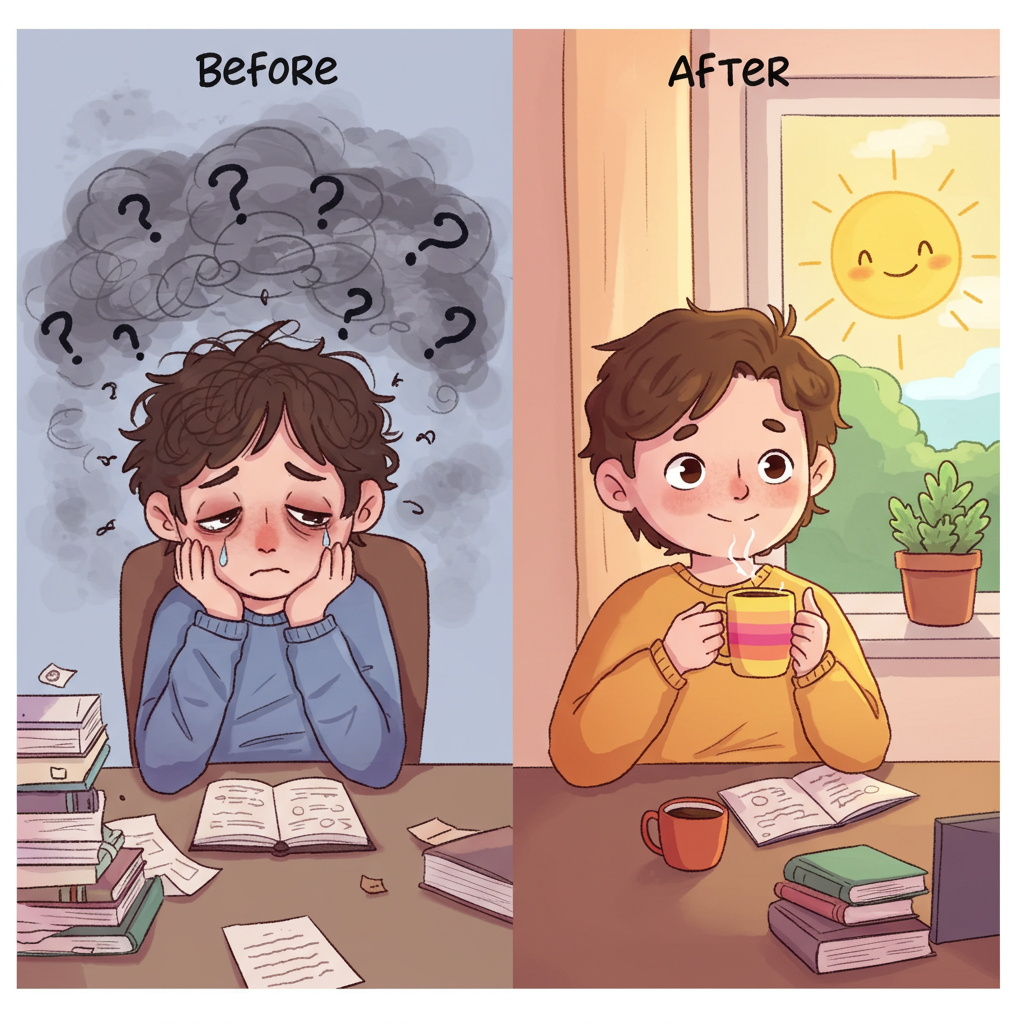
Strategies for Functioning on No Sleep
While sleep deprivation severely impairs cognitive function and emotional regulation, this guide details targeted interventions to mitigate its immediate effects. Learn how to maximize alertness using strategic caffeine consumption and the restorative power of a nap. We also explore leveraging biological cues, such as bright light exposure and sustained-energy nutrition, to maintain focus and safely bridge the gap to full recovery.

The 10-Hour Rule: How to Master Coffee and Sleep for All-Day Energy
Do you love coffee but struggle with tired mornings and restless nights? Discover the science of coffee and sleep and how caffeine impacts your circadian rhythm and deep sleep cycles. Learn the 10-hour rule and other simple strategies to boost daytime energy without sacrificing your nightly recovery.