Why Taking More Melatonin Isn't Always Better
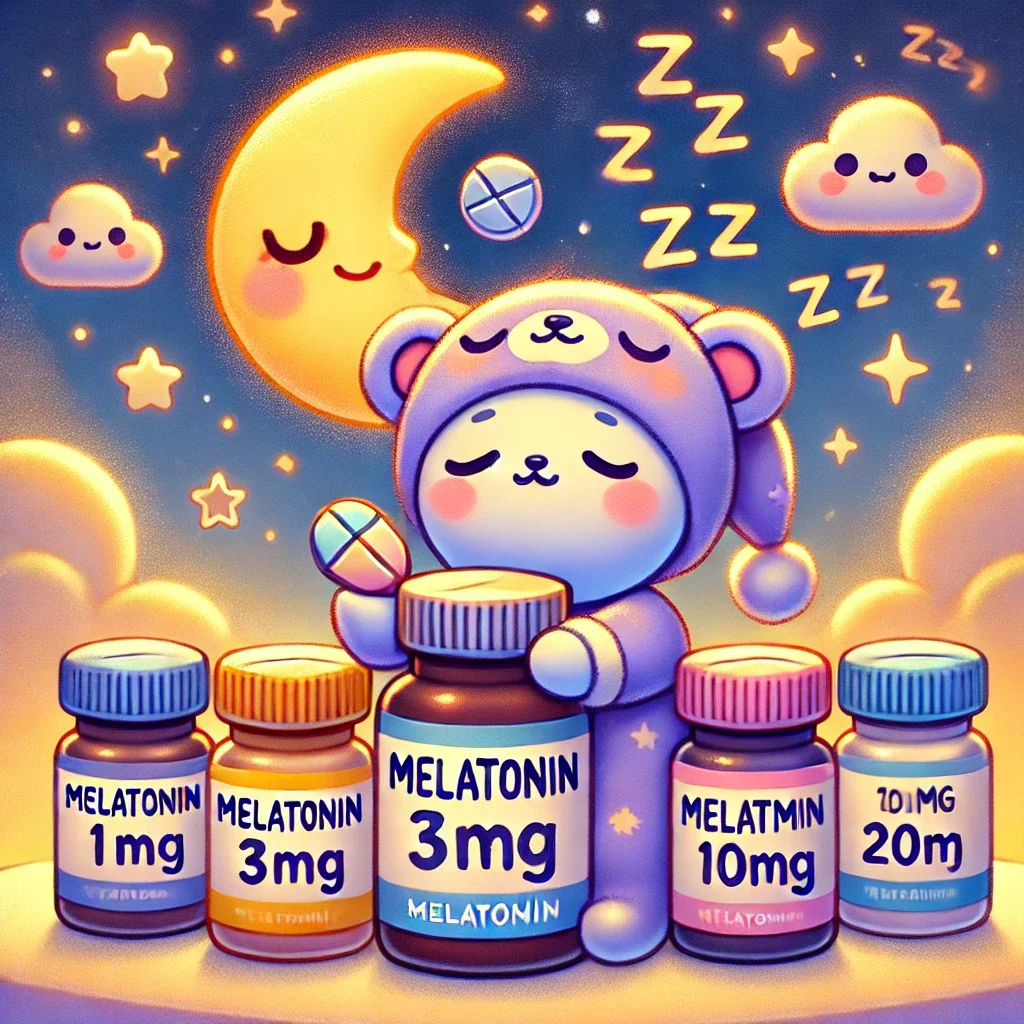
In our always-on, high-stress modern world, the search for a good night's sleep often leads us straight to the pharmacy aisle and a little white bottle: melatonin. Derived from a tiny gland in our brain, this natural hormone is our body's essential timekeeper, signaling that darkness has arrived and it's time to rest.
It’s often touted as a "rescue remedy" for jet lag, shift work, or stubborn insomnia. Because it's generally considered safe and is often available over-the-counter, many people feel free to experiment with dosages, taking more if the initial pill doesn't work. But this freedom comes with a hidden cost.
Taking melatonin for an extended period, especially in higher amounts, isn’t as simple as it seems. Understanding how low, medium, and high doses affect your body over time is the key to avoiding a common trap: the belief that a bigger dose equals better sleep.
Low Dose: The Gentle Start, The Quiet Decline
A low dosage is generally considered to be between 0.5 and 3 milligrams (mg) daily. This is a standard starting point for basic sleep assistance or mild jet lag. In the short term, this dose is often safe and gentle, with only minor possible side effects like mild dizziness.
The issue arises with long-term reliance.
Like needing two shots of espresso instead of one over time, your body can build a tolerance to a low dose. Research tracking continuous use for over a year shows that the body's response can become blunted. Some people found their time needed to fall asleep gradually increased, eventually requiring them to escalate their dosage to 5 mg just to feel the original effects.
The risk here is an unintentional increase in your intake, setting you on a path toward higher doses without realizing the potential trade-offs.
Medium Dose: Hormones and Hidden Changes
When chronic insomnia sets in, many people move toward the medium dosage range, typically 3 to 10 mg. At this level, the long-term risks become much more pronounced, particularly regarding your endocrine system.
Melatonin is a signaling agent for your body's rhythm, which also influences the delicate balance of your reproductive hormones:
In Men: Taking 5–10 mg for over six months has been associated with a statistically significant (though typically not life-altering) average drop in testosterone levels.
In Women: The effects are more complex, with reports detailing irregular menstrual cycles—such as reduced flow or longer cycles—and even intensified premenstrual symptoms. These changes are often more noticeable in individuals whose hormones are naturally sensitive, like adolescents or women going through menopause.
Beyond hormonal shifts, tolerance is more obvious at this level, with some users quickly climbing to 7–10 mg just to maintain their sleep onset speed. The takeaway here is caution: If you're planning on medium-dose, long-term use, consulting a doctor to monitor these hidden endocrine changes is highly recommended.
High Dose: The Heavy Hitter and Wide-Ranging Risks
Dosages exceeding 10 mg are typically reserved for the most severe sleep disruptions. This "heavy hitter" approach comes with a significantly wider range of long-term risks across multiple systems.
The Physical Impact
High doses are strongly associated with digestive trouble. In studies, about 20% of participants taking 12–20 mg for over three months reported severe issues like nausea, diarrhea, vomiting, or stomach pain. Scientists believe this occurs because high levels of melatonin may interfere with the contraction of smooth muscles in the gut.
More seriously, there is a potential impact on the liver. A small percentage of long-term users taking 15–20 mg showed slightly elevated levels of liver enzymes, indicating minor function abnormalities. While this doesn't immediately spell severe disease, it's a key factor for anyone considering prolonged high-dose usage.
The Vicious Cycle of Tolerance
Tolerance is the single biggest challenge at this level, developing particularly fast. Users may quickly need to increase their intake to 20 mg or more. This not only increases the risk of side effects but also leads to a dangerous "more and more" pattern. Even worse, long-term high-dose use can actively suppress the body’s natural melatonin secretion, creating a vicious cycle where it becomes even harder to sleep without the supplement.
Because of these pervasive risks, high doses are only recommended for a very short-term use (a maximum of 1 to 2 months), strictly under medical supervision.
Your Melatonin Takeaway
Melatonin is a valuable tool for sleep, but it should not be treated as a harmless, consequence-free supplement.
If you find yourself consistently needing to increase the dosage, or if you plan to use it for an extended period, it's crucial to acknowledge the potential risks associated with escalating intake, especially the impacts on hormonal balance, the digestive system, and potentially the liver.
Always talk to a healthcare professional before committing to long-term use and monitor your body for any subtle shifts in your energy, mood, or overall health. A gentle start is always best—and sometimes, the best solution to a sleep problem is one that doesn't involve the pill bottle at all.
-
Costello, R. B., et al. (2022). “Long-term melatonin use and tolerance: A systematic review.” Journal of Clinical Sleep Medicine, 18(5), 1235-1243.
Besag, F. M. C., et al. (2021). “Melatonin for sleep disorders: Benefits and risks.” Sleep Medicine Reviews, 58, 101459.
Li, J., et al. (2023). “High-dose melatonin and gastrointestinal side effects: A cohort study.” Frontiers in Pharmacology, 14, 987654.
Arendt, J., et al. (2023). “Optimizing melatonin use for sleep: Dosage and timing.” Journal of Pineal Research, 74(2), e12845.
Otamas, A., et al. (2020). “Melatonin and liver function: A prospective study.” European Journal of Neurology, 27(8), 1502-1510.