Internal Clock Shapes Mental Health
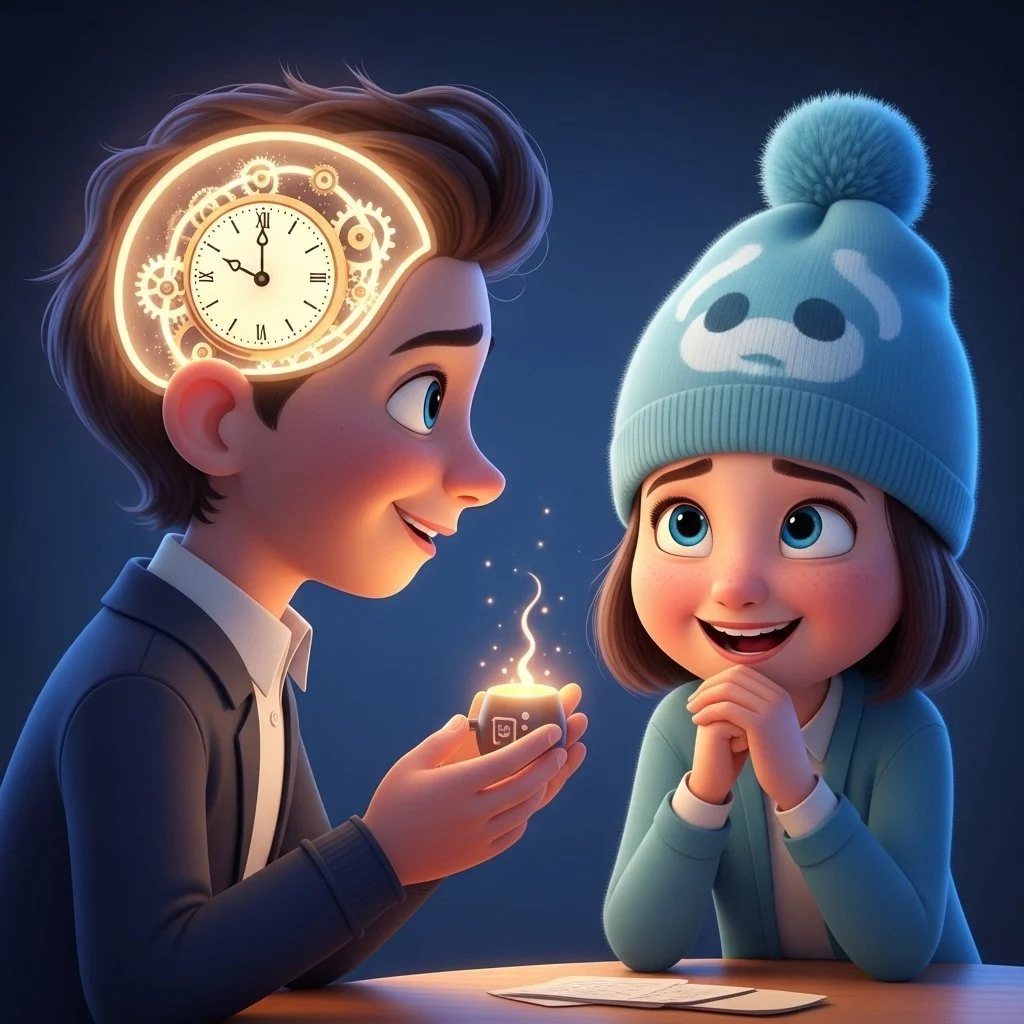
Imagine a 24-hour master switch governing your anxiety, happiness, and energy levels. It’s not a metaphor; it’s your circadian rhythm, and it’s doing far more than just telling you when to go to sleep.
When this delicate timing system gets thrown off, the consequences aren’t just tiredness. They are serious, contributing directly to mood disorders like depression, seasonal affective disorder (SAD), and bipolar disorder. The good news? You have the power to reset it.
The Vicious Cycle
Recent science has solidified a critical concept: the relationship between your internal clock and your mood is bidirectional. Mood disorders can shatter your daily rhythms, and a shattered rhythm can, in turn, trigger or worsen mood disorders.
Think about it:
People struggling with major depression often can’t sleep, wake up too early, or feel chronically exhausted during the day. This isn't just a symptom; it’s linked to an altered rhythm in their brain.
In conditions like bipolar disorder, an abrupt change in a sleep schedule often precedes an episode of mania or depression. Stabilizing the daily routine is a key defense against relapse.
A clear example is Seasonal Affective Disorder (SAD). When the days get short in winter, reduced sunlight makes your body prolong its sleep hormone, melatonin. This leads to the classic SAD symptoms of overeating, low energy, and feeling like you could sleep all day.
This connection is physical, running deep into our DNA (often called "clock genes") and affecting critical mood chemicals like dopamine and serotonin. Even non-sleep cues, such as chronic stress, irregular meal times, or the "social jet lag" from a weekend sleep-in, can misalign these rhythms and amplify psychological risk.
Aligning Your Rhythms
You don't need a massive life overhaul to heal your internal clock. Consistent, small habits can make a dramatic difference in your mood resilience.
1. Prioritize Morning Light ☀️
Natural sunlight is the most powerful signal for your master clock.
The Habit: Aim for 20 to 30 minutes outdoors each morning, ideally within the first hour of waking. This effectively tells your brain, "It's morning!" and boosts serotonin (the feel-good hormone) levels.
The Caveat: Be equally strict about avoiding intense bright light at night, which prevents your body from preparing for sleep.
2. Establish a Rock-Solid Sleep Schedule 🛏️
Your wake time is actually more important than your bedtime.
The Habit: Keep a fixed wake time every day, including weekends, within a 30-minute window. This consistency stabilizes your entire rhythm and improves emotional regulation.
The Caveat: Minimize the blue light from screens in the evenings, and ensure your bedroom is dark and cool.
3. Manage Stress Rhythms 🧘
Chronic stress causes inflammation and puts your mood on high alert.
The Habit: Build stress reduction techniques—like mindfulness, short walks, or journaling—into your daily routine. This prevents your body’s stress system from going into overdrive and destabilizing your clock.
Chronotherapies for Mood
If you are dealing with significant mood symptoms, specialized, evidence-based treatments can help by directly targeting the biological clock.
Bright Light Therapy (BLT)
This is a frontline option, especially for SAD and certain types of depression. It involves sitting near a very bright white light (often 10,000 lux) for about 30 minutes daily, usually in the morning. This mimics sunlight, shifting the body's clock earlier and normalizing melatonin timing.
Therapy Focused on Routine
Two key therapeutic approaches help stabilize daily life:
CBT for Insomnia (CBT-I): A form of cognitive-behavioral therapy that addresses the thoughts and habits keeping you awake. It's highly effective at improving sleep stability and reducing the risk of depression relapse.
Interpersonal and Social Rhythm Therapy (IPSRT): Often used for bipolar disorder, IPSRT focuses on making daily life—wake time, meals, social contacts—as predictable as possible to prevent mood episodes.
-
Zou, H. (2022). Chronotype, circadian rhythm, and psychiatric disorders. Frontiers in Neuroscience.
Dollish, H. K. (2023). Circadian Rhythms and Mood Disorders: Time to See the Light.
Morin, R., Forest, G., & Imbeault, P. (2025). Circadian rhythms revealed: unraveling the genetic, physiological, and behavioral mechanisms. Frontiers in Sleep, 4, 1544945. doi:10.3389/frsle.2025.1544945
Beyond vision: effects of light on the circadian clock and mood-related behaviours. (2025). npj Biological Timing and Sleep, 1, 00029. doi:10.1038/s44323-025-00029-1