Why You Wake Up Soaked: Beyond Just a Hot Room
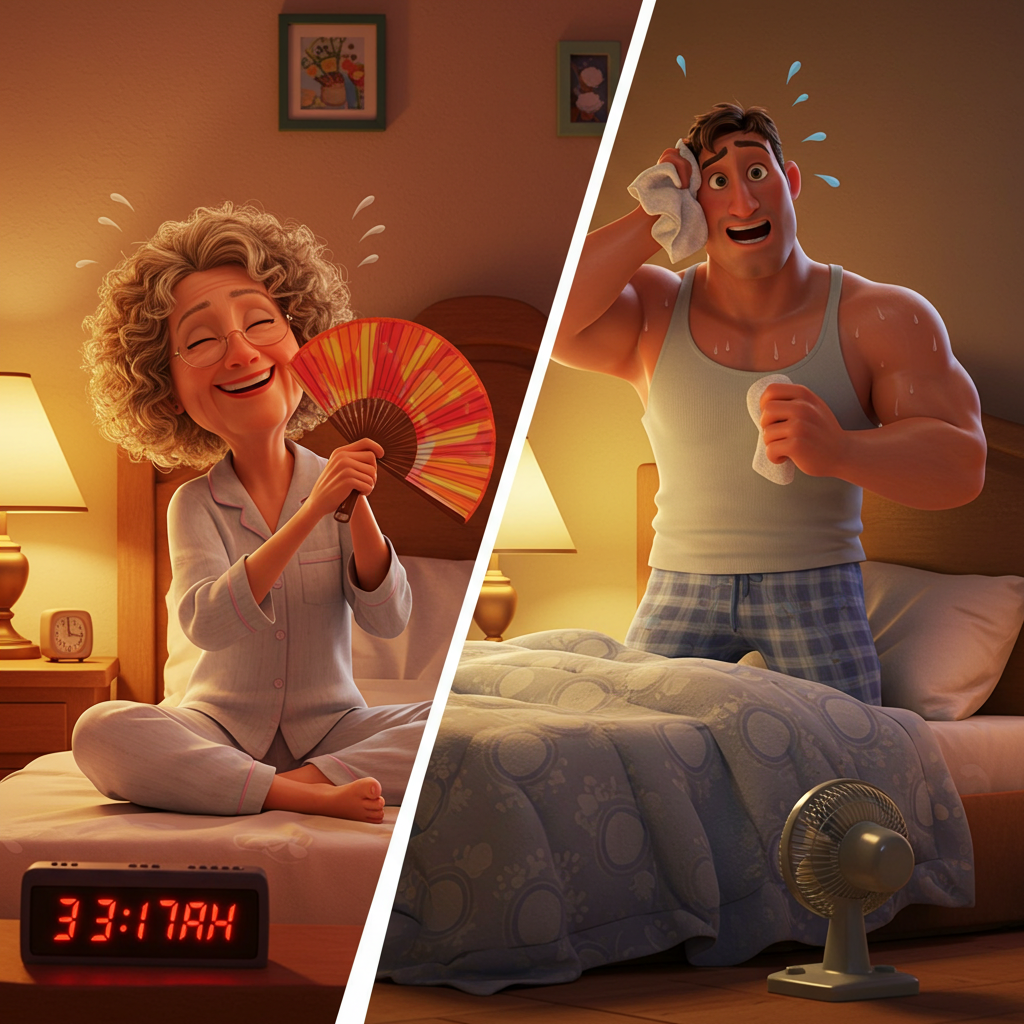
If you regularly wake up feeling like you’ve just left the gym, drenched in sweat, you are experiencing night sweats. This term describes excessive perspiration during sleep that is severe enough to soak through bedding, and importantly, it is not caused by simply having a warm bedroom or heavy blankets. Night sweats are often a sign that your body’s internal temperature regulation—controlled by the autonomic nervous system or hormonal circuits—has been disturbed.
While they are common and often harmless, persistent night sweats can reduce your sleep quality, cause significant discomfort, and may be a sign of an underlying medical issue that requires attention. Understanding the potential triggers, which range from simple lifestyle habits to serious conditions, is the first step toward finding relief.
The Most Common Internal Triggers
Night sweats result when the body’s finely tuned systems regulating temperature are perturbed. These issues can often be categorized by cause.
Hormonal and Endocrine Disruptions
Disorders that affect hormone balance or metabolic rate frequently lead to nocturnal sweating:
Menopause is a leading cause of night sweats in women, producing vasomotor symptoms like hot flashes through central thermoregulatory changes.
Low Testosterone Levels (male hypogonadism) can cause night sweats in men. About 38% of men 45 or older have low testosterone, which is also associated with symptoms like fatigue, weakness, loss of body hair, and low libido.
Hyperthyroidism (an overactive thyroid) can cause excessive sweating both day and night by accelerating metabolic processes.
Nocturnal Hypoglycemia, especially in individuals with diabetes, triggers sweating as the body responds to low blood sugar levels.
Other adrenal disorders, such as Cushing’s syndrome or pheochromocytoma, can interfere with the body’s regulation of stress hormones, also triggering night sweats.
Underlying Medical Conditions
In some cases, night sweats are a symptom of a deeper medical problem:
Sleep Apnea: Obstructive sleep apnea (OSA) causes brief periods where breathing stops during sleep. It is three to five times more common in men than women. Nearly a third of men with OSA report experiencing night sweats—a rate three times higher than the general population. Successful treatment of sleep apnea typically resolves the related sweating.
Infections and Cancer: When your body fights an infection (even minor ones), it releases inflammatory mediators that raise the core body temperature, followed by profuse sweating to decrease the temperature. Night sweats are a symptom of serious infections like tuberculosis, HIV, and brucellosis. Furthermore, night sweats are classified as a classic "B symptom" in certain malignancies, such as leukemias and lymphomas, often alongside fever and unexplained weight loss.
Acid Reflux: For some men, nighttime episodes of acid reflux (GERD) can trigger night sweats, possibly by causing sleep disturbances or activating the body’s stress response.
Hyperhidrosis leads to excessive sweating that occurs regardless of typical triggers like exercise or heat; the rates of primary hyperhidrosis are similar for both men and women.
Medications and Lifestyle Factors
Even without an underlying disease, night sweats can be triggered by external influences or mental state.
Medication Side Effects
A wide variety of commonly prescribed medications can cause excessive sweating:
Antidepressants, including selective serotonin reuptake inhibitors (SSRIs) and tricyclic antidepressants, are frequent culprits.
Pain Relievers such as aspirin and ibuprofen (NSAIDs).
Corticosteroids (like cortisone) and hypoglycemic agents used for diabetes treatment.
If you suspect a medication is causing your symptoms, it is essential to discuss alternatives or dose adjustments with your prescribing doctor rather than stopping treatment abruptly.
Stress, Anxiety, and Stimulants
Anxiety and Stress: Anxiety disorders and high stress levels increase sympathetic tone, making sweat glands more responsive. Utilizing relaxation techniques such as mindfulness, meditation, or breathing exercises can be helpful in reducing nocturnal sweating linked to stress. Cognitive behavioral therapy (CBT) has also shown promise, especially when combined with behavioral changes.
Alcohol and Caffeine: These substances, particularly when consumed in the hours before bed, can disrupt sleep architecture, increase sympathetic arousal, and worsen sweating. Limiting their intake, along with spicy foods, can make a significant difference.
Practical Strategies for a Cooler Night’s Sleep
If you have addressed any underlying medical conditions, there are immediate, low-cost environmental changes you can make to improve comfort and reduce sweating.
Optimize Your Sleep Environment
Adjust Temperature: Keep the bedroom cool. An ideal setting for most sleepers is around 60–67°F (15–19°C).
Choose Breathable Fabrics: Use lightweight and breathable bedding materials, such as cotton or linen. Consider a cooling mattress or pillow if your current setup traps heat.
Dress Appropriately: Avoid tight-fitting clothes, which trap heat. Opt for loose pajamas made of a moisture-wicking or breathable fabric.
Adjust Bedtime Habits
Mind Your Meals: Avoid heavy, spicy, or acidic meals too close to bedtime. Try to eat your last meal at least 2–3 hours before going to sleep.
Skip Stimulants: Avoid consuming alcohol and caffeine in the hours leading up to sleep, as these can stimulate your nervous system and raise your core body temperature.
Maintain Healthy Weight: Being overweight is a risk factor for conditions that cause night sweats (like sleep apnea), and weight loss may be recommended as part of treatment.
When to Consult Your Doctor
Although night sweats are common, you should consult a healthcare provider if they persist, regularly interfere with your ability to sleep comfortably, or if they are accompanied by other "red flag" symptoms.
Seek prompt medical attention if your night sweats are new and occur alongside:
Unexplained weight loss
Fever
Swollen lymph nodes
Persistent fatigue, weakness, or excessive daytime sleepiness
Severe palpitations or mood changes
Your doctor is the best resource for diagnosing and treating the underlying causes, ensuring you find relief and get better rest.
-
Brietzke, S. E. (2020). Persistent Night Sweats: Diagnostic Evaluation. American Family Physician, 102(7), 427–433.
Yalamanchi, S., & Dobs, A. (2021). Night Sweats as the Presenting Symptom of Primary Hyperparathyroidism. Journal of the Endocrine Society, 5(Suppl 1), A207–A208.
Orr, N., & McCormack, R. (2020). Night sweats as a manifestation of gastroesophageal reflux disease. Canadian Family Physician, 66(12), 901–903.
Zhou, Q., et al. (2021). Investigation of the relationship between hot flashes, sweating and sleep quality. BMC Women’s Health.
Frank-Raue, K., et al. (2023). Thyroid dysfunction in peri- and postmenopausal women: implications for symptoms including sweating.
Song, F., et al. (2023). Sleep, alcohol, and caffeine in financial traders — implications for night awakenings and sweating.