When "Just Relaxing" Isn't Enough
Sometimes, the barrier to a good night’s sleep isn't a bad habit, but a medical hurdle. From the gasping breath of sleep apnea to the relentless "busy brain" of chronic insomnia and the strange world of narcolepsy, we demystify the clinical side of sleep. This category provides evidence-based information on symptoms, treatments, and when it’s time to seek a professional sleep study.
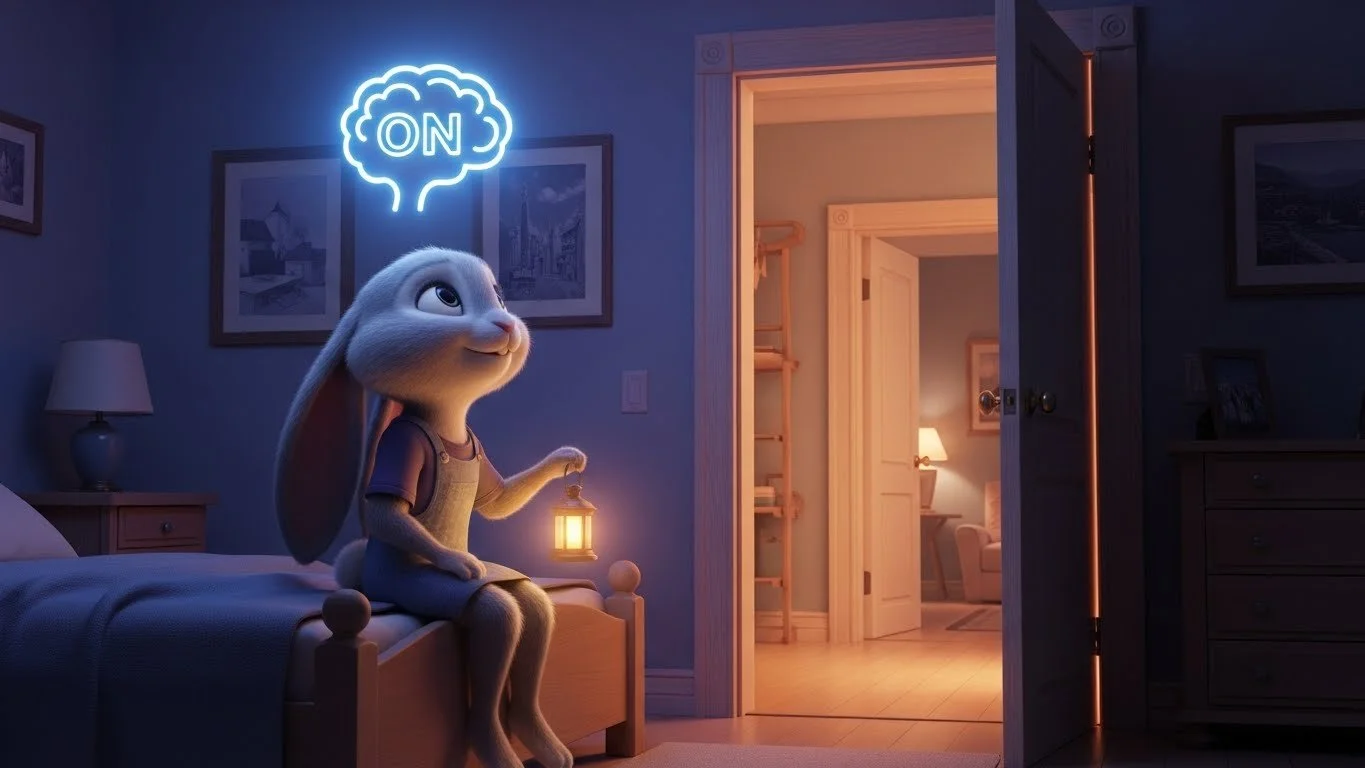
Behavioral Insomnia
Struggling to fall asleep despite being exhausted? You might have behavioral insomnia, a condition where your brain "learns" to stay awake in bed. Discover the science of conditioned arousal, why women and certain age groups are more at risk, and how to use CBT-I techniques to reset your sleep cycle for good. Stop "trying" to sleep.
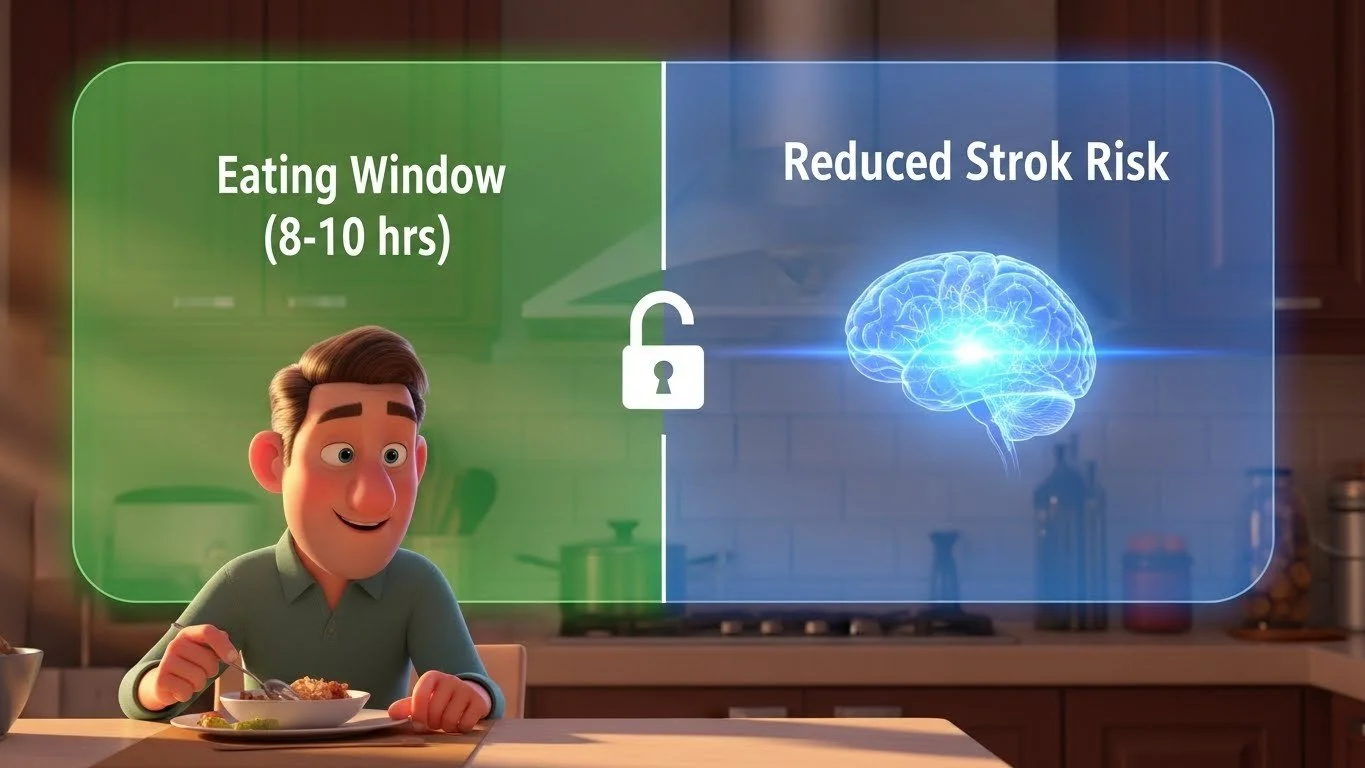
Poor Sleep and Stroke: Time-Restricted Feeding Reduces Stroke Risk
Discover the critical connection between sleep and stroke risk and how your eating habits play a major role. This guide explores how Time-Restricted Feeding (TRF) protects your brain by reducing inflammation and improving sleep quality.
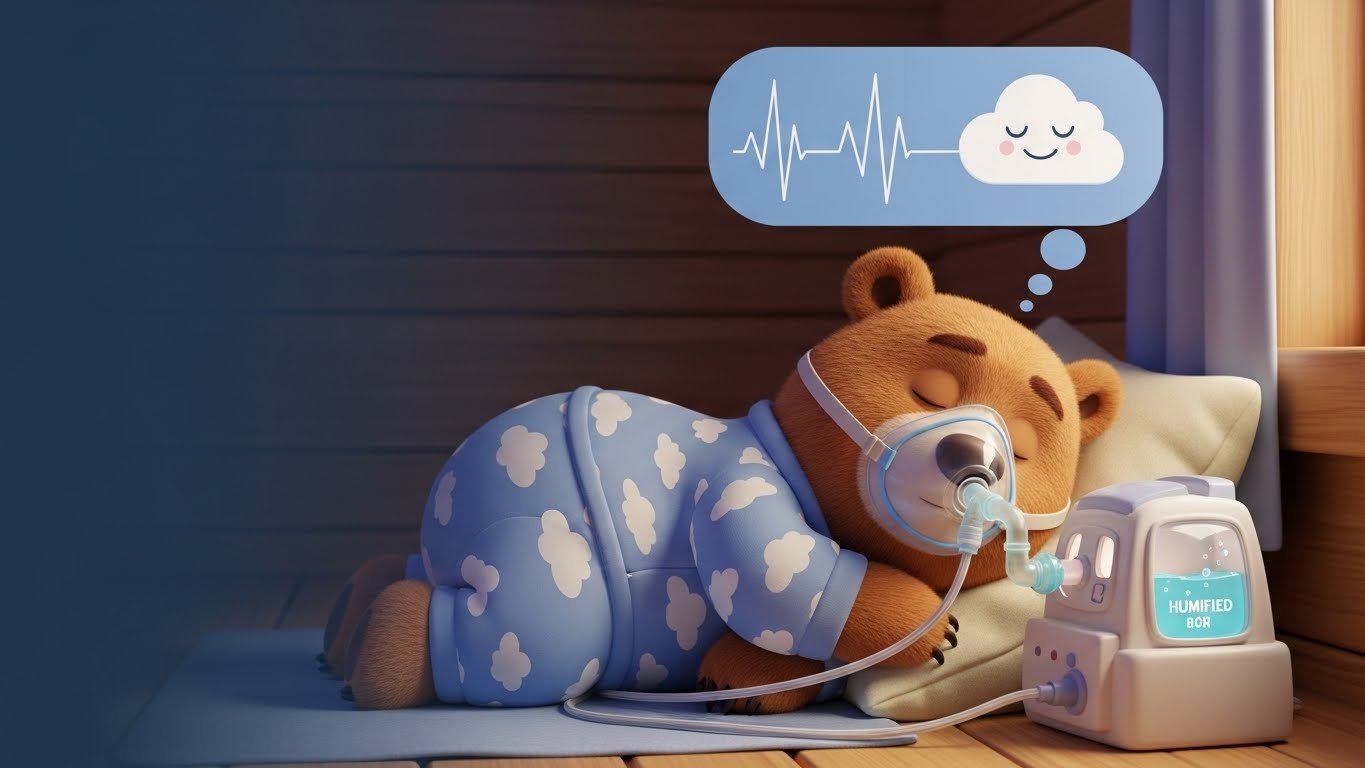
It’s Not Just a Man’s Disease: Modern Solutions to Sleep Apnea
Struggling with daytime fatigue or morning headaches? These could be hidden signs of sleep apnea, a condition that affects your heart and brain health. This article explores how age and gender change your risk and highlights modern, non-CPAP treatments.
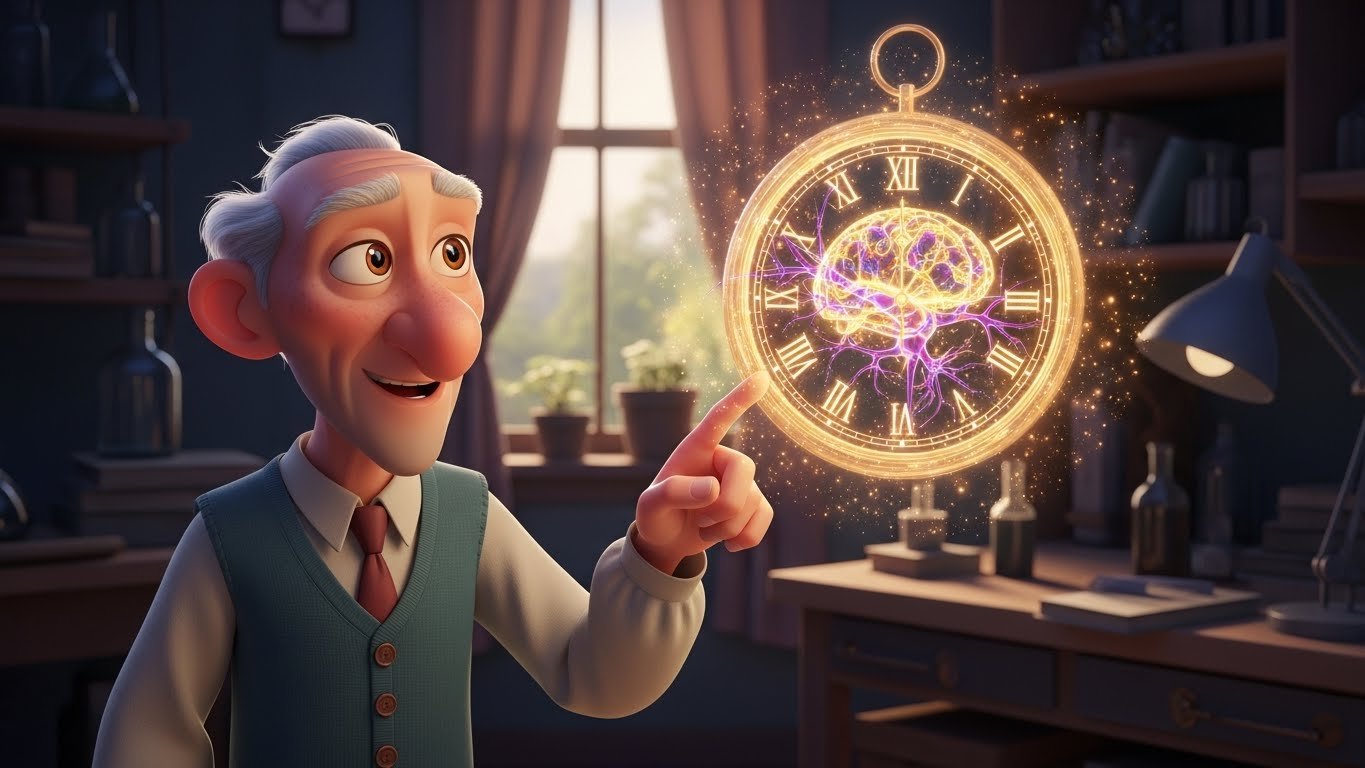
Could Changing When You Eat Save Your Brain? The Science of Time-Restricted Feeding for Alzheimer's
Discover how Time-Restricted Feeding for Alzheimer’s is revolutionizing our approach to brain health. Research suggests how a simple 8-hour eating window can clear amyloid plaques, improve sleep, and boost memory.
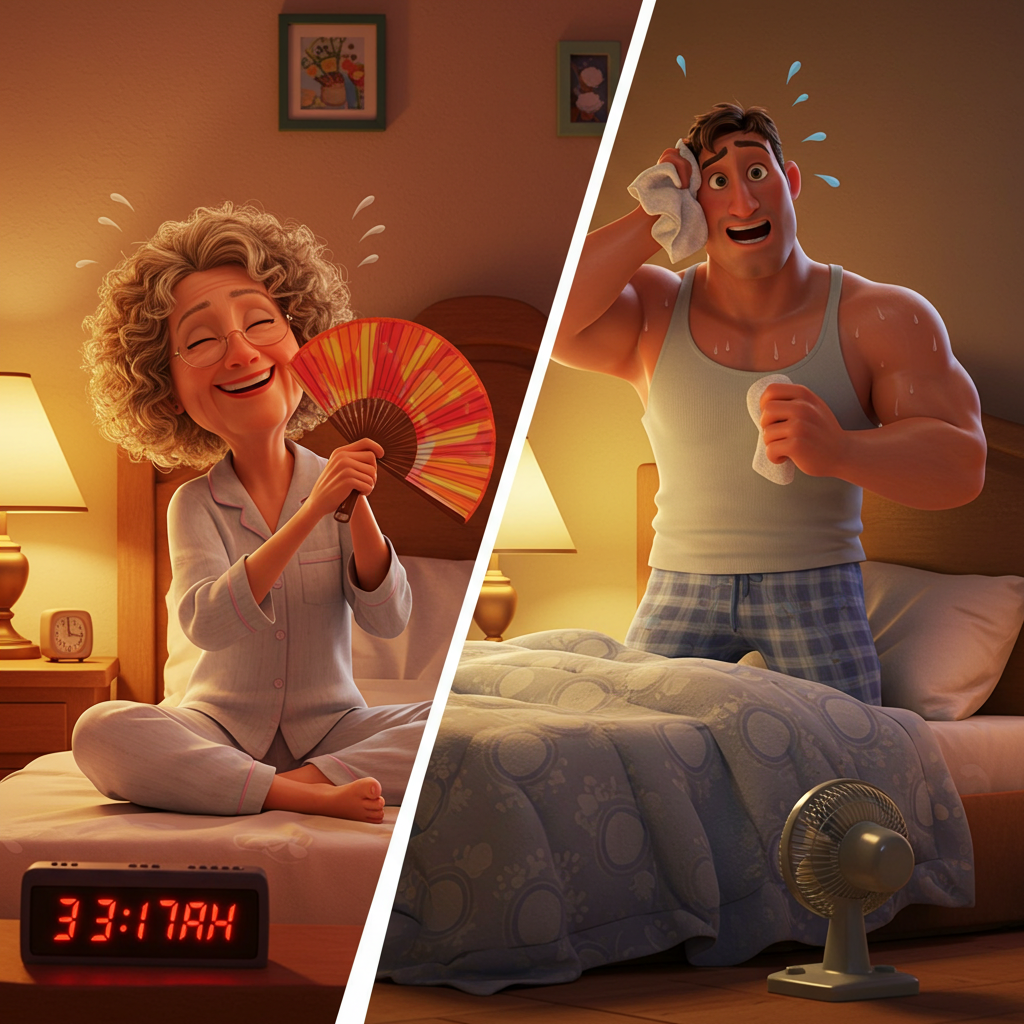
Why You Wake Up Soaked: Beyond Just a Hot Room
Waking up drenched? True night sweats are excessive episodes of perspiration not caused by a hot room, often pointing to an internal disturbance. This quick guide cuts through the discomfort to reveal the key culprits: hormones (menopause, low testosterone), common medications (like SSRIs), anxiety, and underlying conditions like Sleep Apnea.

Beyond Melatonin: Why Sleep in Rett Syndrome is Different
Research shows 80% of families with Rett Syndrome face this challenge due to disruptions in the MECP2 gene. This guide defines Rett Syndrome, explains the specific "nighttime phenotypes" like laughing and grinding, and offers 3 science-backed strategies to help your loved one get the rest they need.
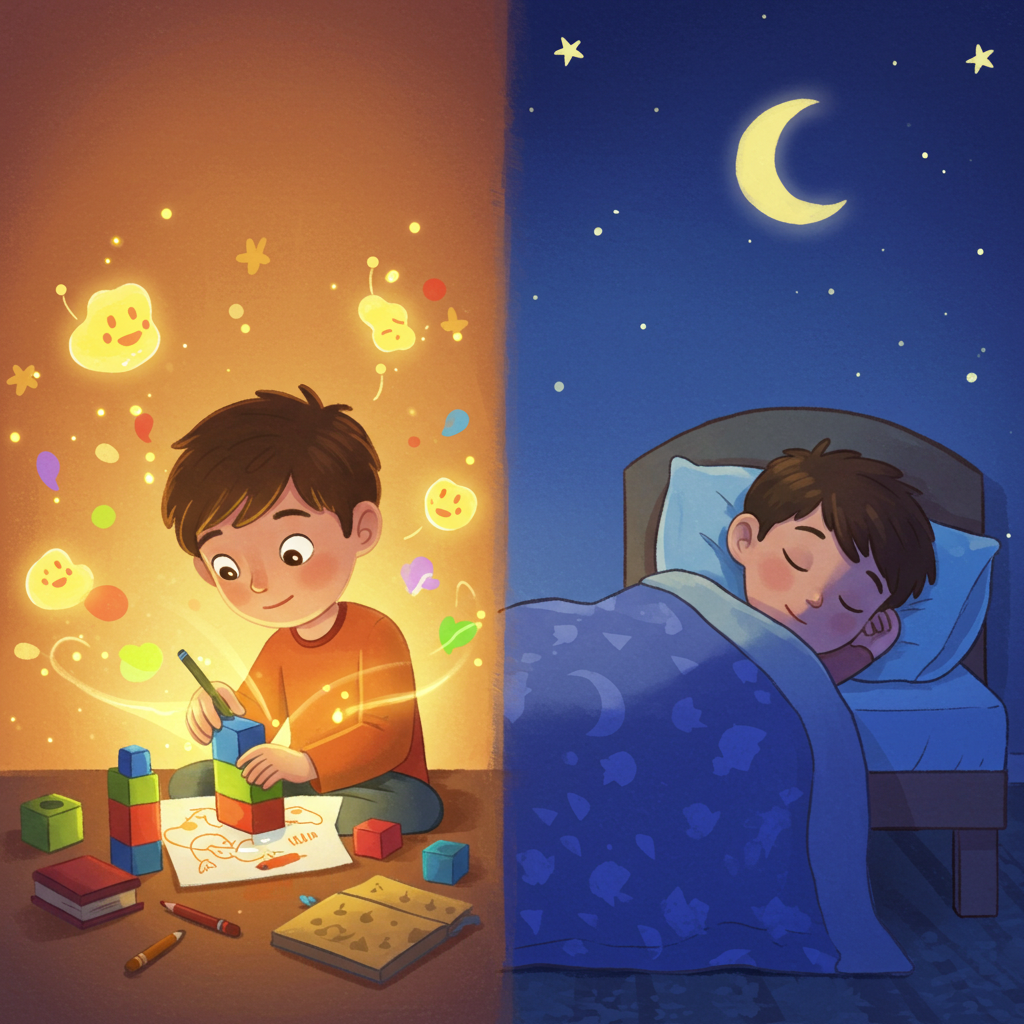
When ADHD Doesn’t Sleep
ADHD doesn't clock out at bedtime. If racing thoughts, a delayed internal clock, and persistent insomnia plague your nights, you're experiencing a biologically grounded struggle. Discover the three core reasons ADHD fuels sleep problems and get evidence-based strategies.
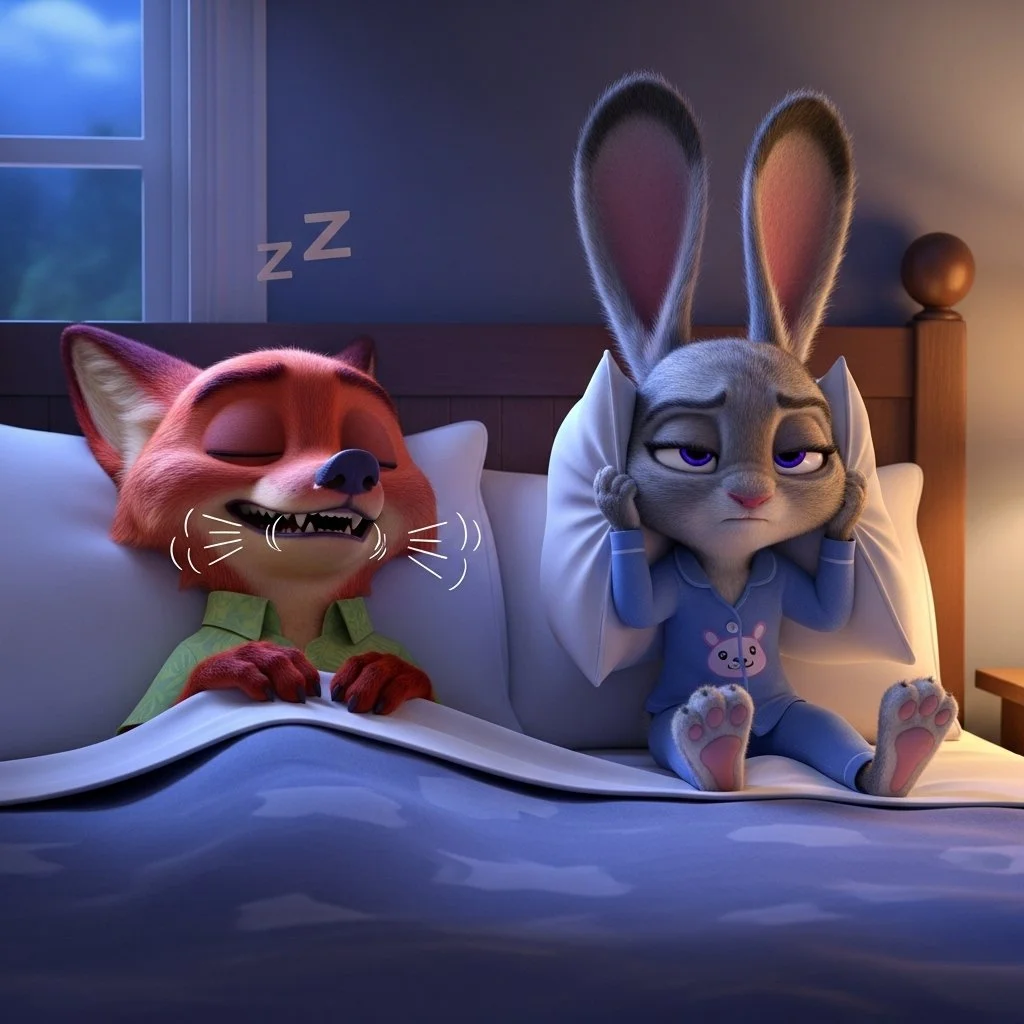
Waking Up with a Sore Jaw? The Hidden Science of Teeth Grinding Causes and Treatments
Struggling with morning jaw pain? Discover the latest research on teeth grinding causes and treatments in our deep dive into the science of bruxism. Learn how your brain, heart, and airway trigger nighttime grinding and find actionable steps to protect your smile. Stop the damage and start sleeping better with our expert guide.
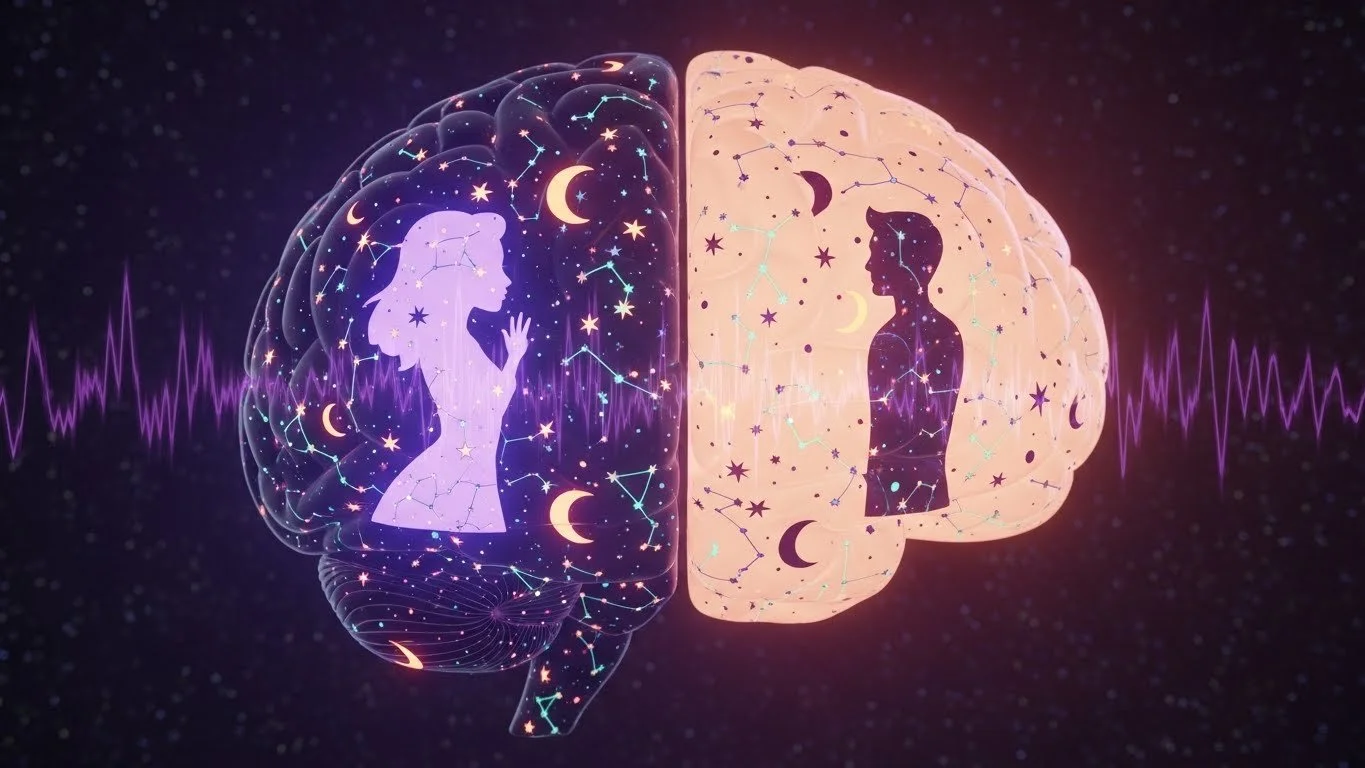
Why Understanding Sleep in Autism Sex Differences Changes Everything
New research reveals that sleep in autism sex differences can cause up to 85% of autistic females to experience severe rest issues. This article breaks down why girls and boys struggle differently and offers science-backed, sensory solutions to improve your sleep efficiency.
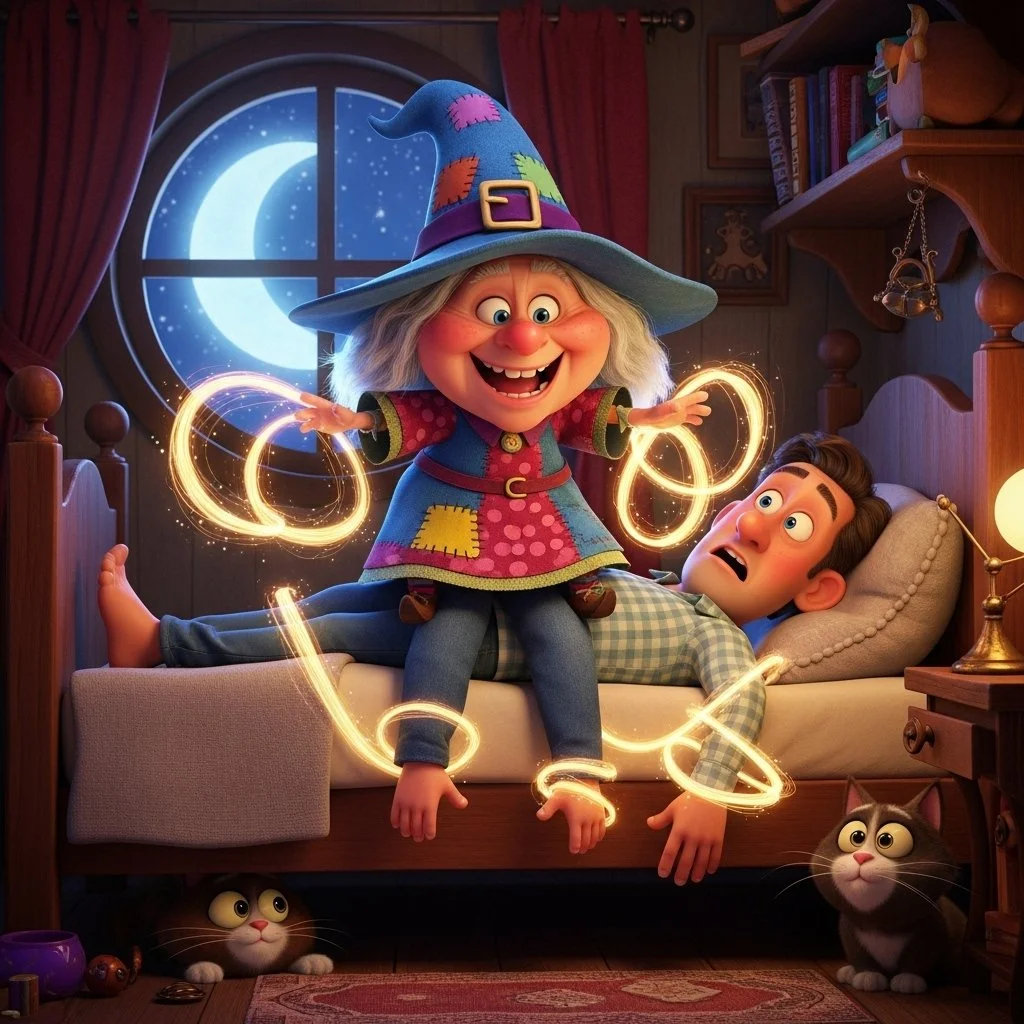
When Night Holds You Still
Have you ever woken up completely paralyzed, feeling a menacing presence in the room? This terrifying ordeal, known across cultures as " old hag," has long been blamed on demons or spirits. The truth is much stranger—and entirely scientific.
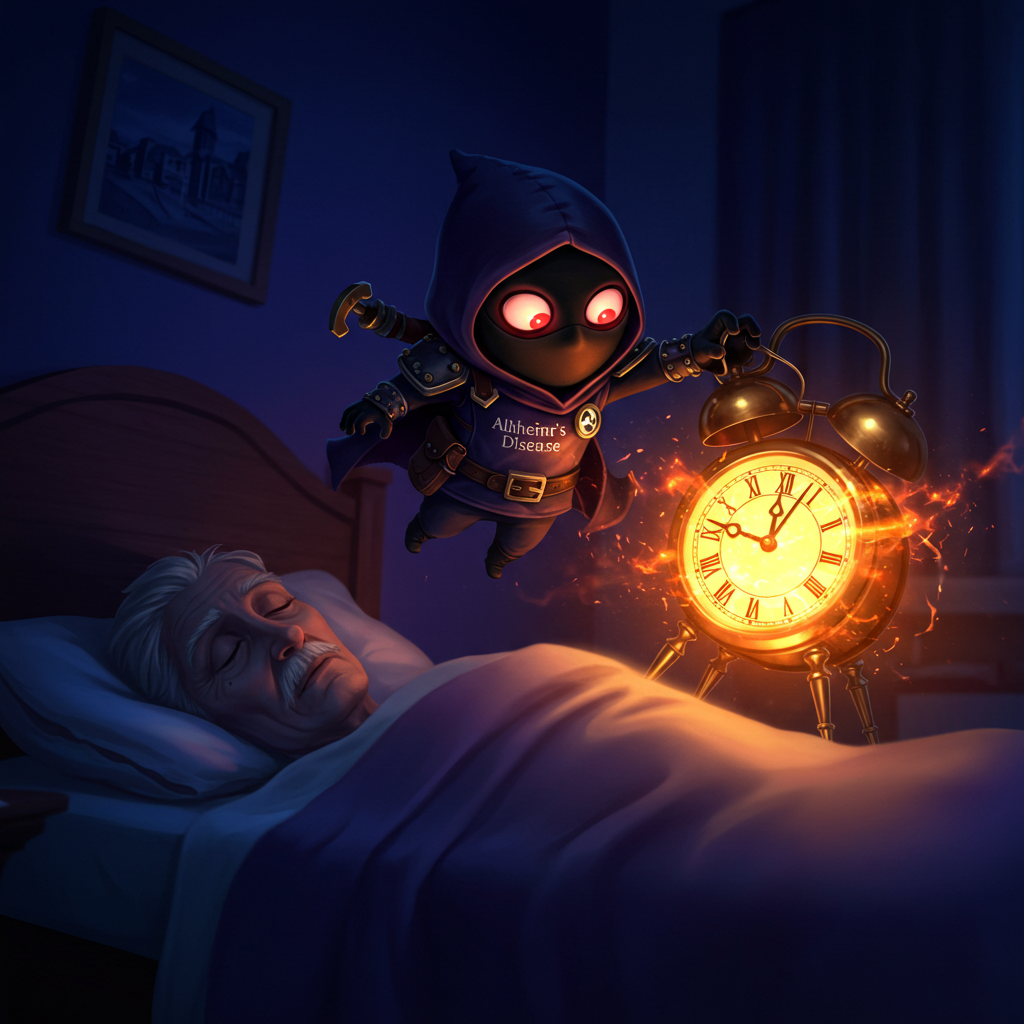
Does Alzheimer's Steal More Than Just Memory
Alzheimer's steals memory, but there's a hidden battle that accelerates the decline: severe sleep loss. We uncover the devastating vicious cycle where a broken internal clock fuels the disease, leading to nighttime wandering and caregiver burnout.