When "Just Relaxing" Isn't Enough
Sometimes, the barrier to a good night’s sleep isn't a bad habit, but a medical hurdle. From the gasping breath of sleep apnea to the relentless "busy brain" of chronic insomnia and the strange world of narcolepsy, we demystify the clinical side of sleep. This category provides evidence-based information on symptoms, treatments, and when it’s time to seek a professional sleep study.
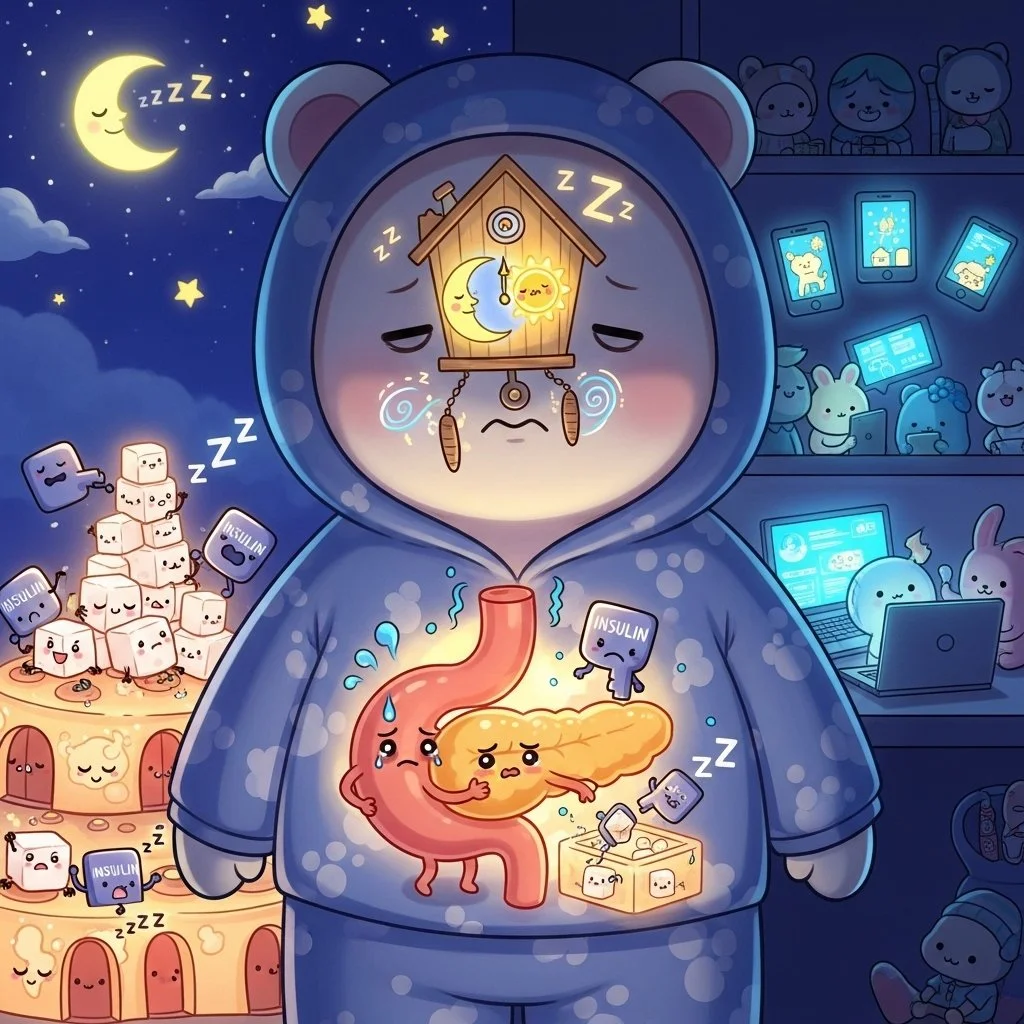
Sleep & Circadian Disruption Fuel Insulin Resistance
Your internal clock is a powerful metabolic controller. Discover the science behind why insufficient sleep, shift work, and irregular schedules actively drive insulin resistance, disrupt hunger hormones, and drastically raise your risk of Type 2 Diabetes.

Could Changing When You Eat Save Your Brain? The Science of Time-Restricted Feeding for Alzheimer's
Discover how Time-Restricted Feeding for Alzheimer’s is revolutionizing our approach to brain health. Research suggests how a simple 8-hour eating window can clear amyloid plaques, improve sleep, and boost memory.

Beyond Melatonin: Why Sleep in Rett Syndrome is Different
Research shows 80% of families with Rett Syndrome face this challenge due to disruptions in the MECP2 gene. This guide defines Rett Syndrome, explains the specific "nighttime phenotypes" like laughing and grinding, and offers 3 science-backed strategies to help your loved one get the rest they need.

Why You Can’t Stop Eating at Night: Understanding Night Eating Syndrome and Your Internal Clock
Discover what Night Eating Syndrome really is and why it’s more than just a late-night habit. We explore the hormonal causes of midnight cravings and provides research-backed strategies like light therapy to help you reset your circadian rhythm. Learn how to stop the cycle of morning anorexia and nighttime hunger to improve your metabolic health and sleep quality today.

How Managing Sleep Disorders Can Transform Schizophrenia Care
Discover the powerful link between sleep disorders and schizophrenia. Learn why poor sleep is an independent risk factor for psychosis and how improving your "sleep architecture" can reduce hallucinations.
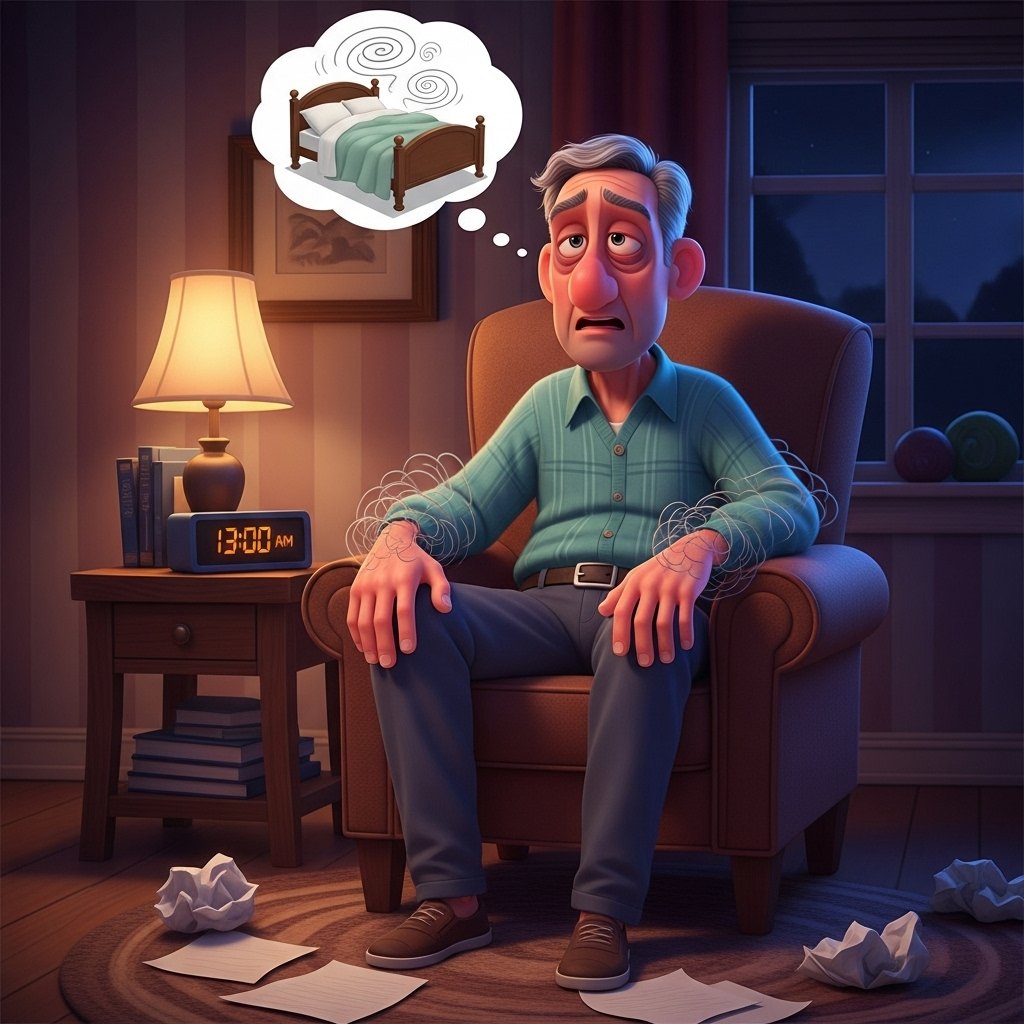
Why Sleep is Your New Ally: How Targeting Sleep Disturbances Can Slow Huntington’s Disease Progression
Discover the critical link between sleep quality and the progression of Huntington’s disease (HD). Research confirms that sleep problems negatively impact Huntington's disease by accelerating cognitive decline and worsening motor symptoms. Here we break down the science of HD's effect on your circadian.
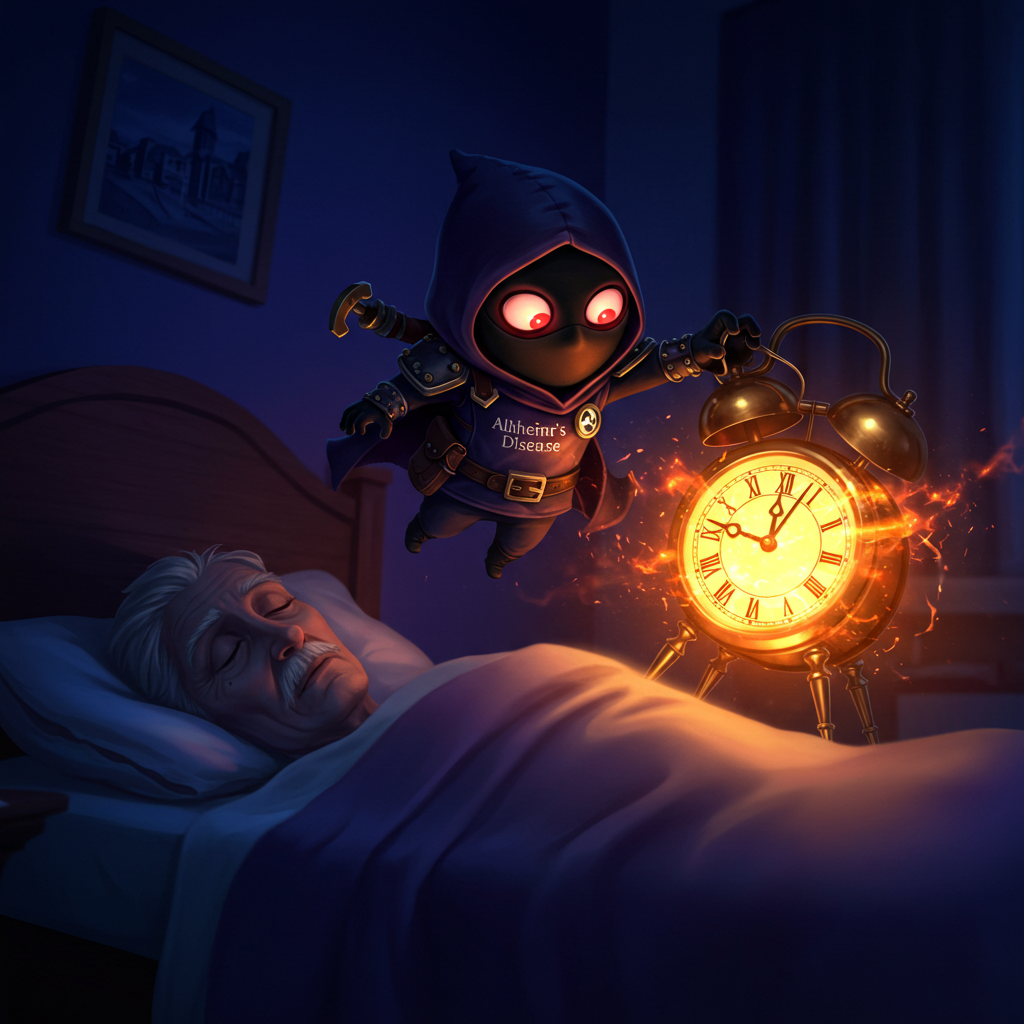
Does Alzheimer's Steal More Than Just Memory
Alzheimer's steals memory, but there's a hidden battle that accelerates the decline: severe sleep loss. We uncover the devastating vicious cycle where a broken internal clock fuels the disease, leading to nighttime wandering and caregiver burnout.