From Disaster to Nightmare: Understanding PTSD
The blockbuster disaster flick has a powerful pull. We sit mesmerized as the screen explodes with collapsing skyscrapers, tidal waves, or plane crashes—a chaotic spectacle that rips a sudden hole in the fabric of a mundane day, forcing us to face the ultimate test of survival.
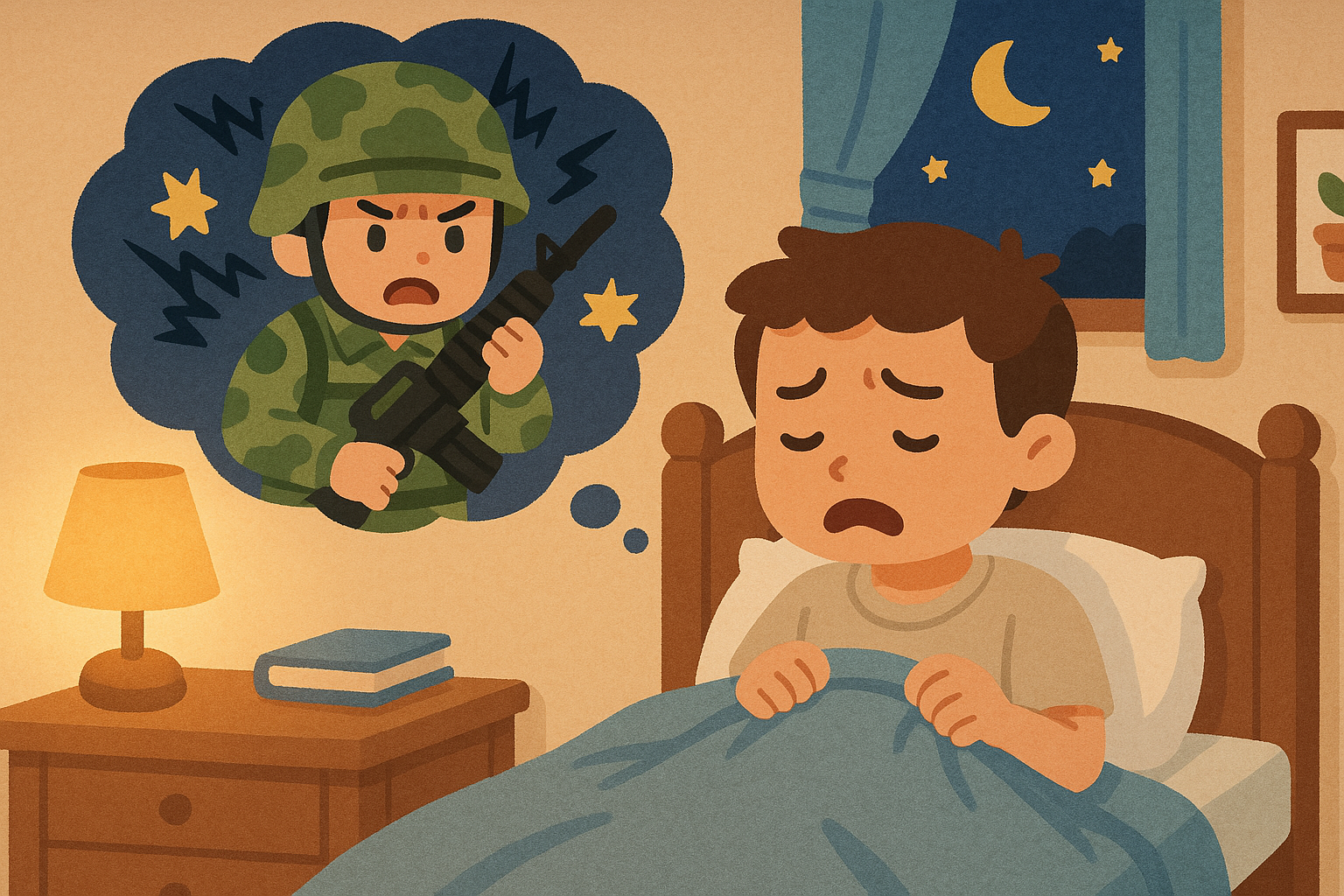
In the movies, the survivors embrace, weep with relief, and prepare for a new, brave life after the credits roll. But for real-life survivors, the story is far more complex, more enduring, and much more difficult. Their lives don't conclude with a neat, happy ending. Instead, the shocking, terrifying images are replayed endlessly in their minds, a relentless nightmare that flickers into their daylight hours and drags them back into the depths of fear when darkness falls.
The Invisible Scars: Life After "Survival"
For those who have lived through a major catastrophe, "escaping with their lives" is often just the beginning of a long journey. The fear, confusion, and helplessness of the trauma linger as fragmented memories, ready to be triggered at any moment.
Survivors may instinctively avoid people, places, or things that might dredge up those painful memories. Some may even build invisible walls between themselves and others, desperately seeking a clean slate—a chance to truly "start over." During this time, they become hyper-vigilant and overly sensitive; the smallest stimulus can provoke a severe startle reaction, as if the world is poised to shatter once more.
The common saying, "time heals all wounds," simply doesn't apply to everyone. For some, even months or years after the event, the shadow of the trauma remains.
Clinically, when the psychological or behavioral symptoms resulting from a traumatic event—such as insomnia, loss of interest in daily life, relationship difficulties, or self-harm—persist for more than one month, it meets the definition for Post-Traumatic Stress Disorder (PTSD).
A History of Unseen Battles
The formal recognition of PTSD has a long history, tracing back as far as the American Civil War in 1871. Doctors then observed soldiers exhibiting irritability and anxiety, calling it "Irritable Heart." After World War II, veterans and concentration camp survivors struggled to adjust to civilian life, a condition dubbed "combat neurosis." Following the Vietnam War, similar symptoms resurfaced, eventually leading the medical community to formally classify the condition we now know as Post-Traumatic Stress Disorder.
It's crucial to understand that PTSD is not confined to military veterans. It can affect anyone who experiences or witnesses an event that is extremely traumatic. Any incident that severely wounds the psyche—from witnessing a tragedy (common for first responders), plane crashes, sexual assault, severe car accidents, the sudden death of a loved one, or severe bullying—can leave an indelible scar on the mind.
When the Brain's Alarm System Malfunctions
Among the many debilitating symptoms of PTSD, sleep problems are particularly noteworthy. For many sufferers, the most tormenting of these is the recurrence of nightmares. While sleeplessness occurs in many illnesses, nightmares are disproportionately common in PTSD patients.
A 2009 study noted that as many as 80% of PTSD patients are jolted awake by nightmares, often with a racing heart or even screaming, and they remain steeped in fear long after waking. Other studies have placed the prevalence of nightmares in PTSD from 19% to a staggering 96%, underscoring how common this specific sleep issue is.
Normally, the brain is wired to strengthen memories of danger. This is a survival mechanism that helps us react faster and more accurately when facing a similar threat in the future. In a way, a nightmare is like the brain’s "simulation drill," replaying the traumatic scene to help us remain calmer during the next crisis.
The problem arises when this protective mechanism fails or goes into overdrive because the trauma was too immense. Instead of helping, the constant, vivid nightmares wake PTSD patients in a state of terror. The heightened anxiety makes it nearly impossible to fall back asleep, leading to sleep deprivation, which then triggers fatigue, irritability, and excessive daytime sleepiness.
For those with PTSD, the nightmare is no longer a mere dream; it is a reliving of the actual disaster, often amplified and distorted, which further exacerbates their daytime symptoms of anxiety and emotional instability.
Despite how severely nightmares impact the quality and quantity of sleep for PTSD patients, fewer than 30% of patients proactively mention their sleep problems to a doctor during consultation.
Don't Let the Nightmares Consume Your Life
If you or someone you know is struggling with persistent nightmares or other sleep issues following a traumatic event, it is absolutely vital to seek professional help. There are effective behavioral and pharmacological treatments available for nightmares and sleep disorders that are much safer and more effective than self-medicating with alcohol or misusing sleeping pills. Don't let unrelenting nightmares become a lifelong prison—reach out to a professional to reclaim your restful sleep and healthy life.
Treatment options include:
Cognitive Behavioral Therapy (CBT): Helps change your thoughts and beliefs about dreams and sleep, reducing the fear of nightmares.
Imagery Rehearsal Therapy (IRT): The patient actively "rewrites" the narrative of the nightmare, which can help the brain "re-edit" the traumatic memory.
Medication: Drugs like Prazosin can be prescribed to reduce the frequency of nightmares.
Improving Sleep Hygiene: Simple lifestyle changes, such as reducing stimulation before bed and maintaining a consistent sleep schedule, can significantly boost sleep quality.
-
El-Solh, Ali A., Usman Riaz, and Jasmine Roberts. “Sleep Disorders in Patients With Posttraumatic Stress Disorder.” Chest (2018).
Germain, Anne, Daniel J. Buysse, and Eric Nofzinger. “Sleep-specific mechanisms underlying posttraumatic stress disorder: integrative review and neurobiological hypotheses.” Sleep medicine reviews 12.3 (2008): 185-195.
Hasler, B., &Germain, A. (2009).Correlates and Treatments of Nightmares in Adults. Sleep Medicine Clinics, 6(4), 507–517.
Ross RJ, Ball WA, Sullivan KA, et al. Sleep disturbance as the hallmark of post-traumatic stress disorder. Am J Psychiatry 1989;146:697–707.
Ross RJ. The changing REM sleep signature of posttraumatic stress disorder. Sleep 2014;37:1281–2.