Why Are Women having More Frightening Dreams?
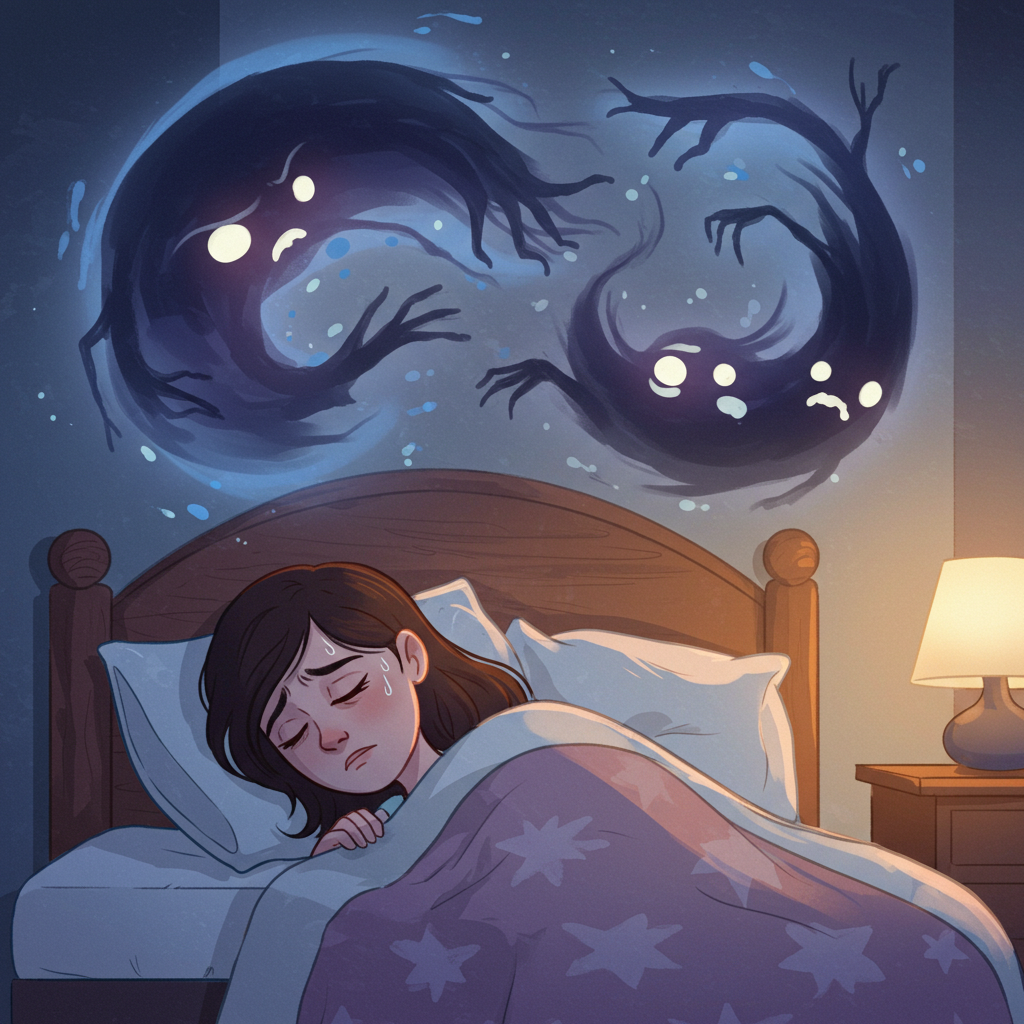
Have you ever noticed that your most vivid, terrifying, and frequent nightmares seem to happen precisely when you’re under acute stress or navigating a major life change? If you’re a woman, this pattern may be even more pronounced for you. You are absolutely not alone.
Multiple studies confirm a consistent pattern: women, on average, report more frequent and more negatively-toned dreams and nightmares compared to men. This isn’t a sign of weakness or an overactive imagination. Instead, this disparity is a complex, fascinating blend of biological, psychological, and social factors that influence how our minds process the world while we sleep.
This gender gap in scary dreams isn’t just a coincidence; it is rooted in deeper physiological and emotional processing differences. Let's pull back the curtain on why this happens and, most importantly, what you can do about it.
Why the Nightmare Gap Exists
Research consistently shows that women report higher overall dream recall and more intense, negative dreams—a pattern that was dramatically highlighted during stressful times like the COVID-19 pandemic. Women also frequently rate these nightmares as more distressing and more impactful on their daytime lives.
So, what’s driving this difference?
1. The Role of Hormones and Sleep
One critical area is biology. Our female sex hormones—specifically estrogen and progesterone—significantly influence both REM sleep (the phase where most vivid dreams occur) and sleep continuity.
Dream content and nightmare frequency can fluctuate dramatically across the menstrual cycle. They also often rise during major hormonal transition periods like pregnancy and perimenopause. Why? Poor sleep continuity (meaning more awakenings) increases the chance of remembering dreams. These hormonal changes and the resulting fragmented sleep plausibly make distressing dreams both more likely and infinitely more memorable.
2. Emotional Vulnerability and Trauma History
Psychological factors play a massive role, too. Statistically, women are more likely to develop certain internalizing disorders like anxiety, depression, and Post-Traumatic Stress Disorder (PTSD) following trauma.
This higher burden of trauma-linked conditions is a major contributor to the gender gap, as these conditions are powerfully linked to recurrent, trauma-related dreams.
Beyond clinical conditions, societal norms can influence emotional processing. Women are often socialized to be more attuned to their feelings, leading to greater awareness of negative affect. They may also engage more frequently in ruminative coping—dwelling on distressing events—which can amplify the likelihood of nightmares as the mind replays unresolved emotional conflicts during sleep.
3. Personality and Reporting
Finally, differences in personality and reporting styles factor in. Women tend to exhibit higher levels of trait neuroticism, a personality trait linked to emotional instability, which correlates with increased dream recall.
Furthermore, some researchers note a reporting difference: women may simply be more likely to notice and report their dreams to researchers, a phenomenon sometimes called the "salience effect."
Breaking the Cycle: Practical Steps to Reduce Nightmares
The great news is that nightmares are highly treatable. Reducing frightening dreams often involves a two-pronged approach: stabilizing your sleep architecture and doing targeted daytime emotional work.
Immediate Sleep Habits: Stabilize Your Sleep
Stick to a Schedule: Maintain a regular sleep schedule, going to bed and waking up at the same times daily, to stabilize your sleep architecture and reduce those dream-making awakenings.
Establish a Wind-Down Routine: Thirty to sixty minutes before bed, dim the lights, avoid screens, and practice relaxing rituals like reading or a warm shower to gently lower your body’s nocturnal arousal.
Limit Stimulants: Avoid caffeine after mid-afternoon and limit heavy alcohol close to bedtime, as alcohol can fragment REM sleep and make dreams more vivid.
Manage Awakenings: If you wake from a nightmare, use grounding techniques (like slow, deep breathing or naming five things you can see in the room) to reduce post-dream anxiety and ease your return to sleep.
Targeted Daytime and Therapeutic Work
Reduce Daytime Stress: Daily exercise, social support, and short mindfulness practices can lower your baseline anxiety over time, thereby reducing nightmare frequency.
Imagery Rehearsal Therapy (IRT): This is one of the most supported psychotherapies for nightmares. It’s a cognitive-imagery approach where you actively rewrite a recurring nightmare into a nonthreatening, new ending and rehearse this new, positive script during the day.
Seek Specialized Help: If nightmares are part of broader insomnia, Cognitive-Behavioral Therapy for Insomnia (CBT-I) can reduce sleep fragmentation and nightmare severity. If they are trauma-related, evidence-based PTSD treatments are available.
If you find that nightmares are nightly, causing severe daytime impairment, associated with flashbacks, or driving you toward misusing alcohol or drugs to sleep, it is crucial to consult a sleep-trained clinician or mental health professional.
-
Rek, S., Sheaves, B., & Freeman, D. (2021). Gender differences in retrospective nightmare frequency among young adults: Effects of nightmare distress and affective distress. International Journal of Dream Research, 14(1), 1–8.
Ahmed, M. A., Ahmed, S. A., Javed, A., Iftikhar, A., Anjum, F., & Sarfaraz, Z. (2024). Understanding and Treating Nightmares: A Comprehensive Review of Psychosocial Strategies for Adults and Children. Cureus, 16(9), e70000.
Rugvedh, P. (2023). The Menstrual Cycle's Influence on Sleep Duration and... [Title of article missing]. [Journal Name or Publication Source missing].