Sleep Training Safety: Does Letting Them Cry Hurt Your Bond?
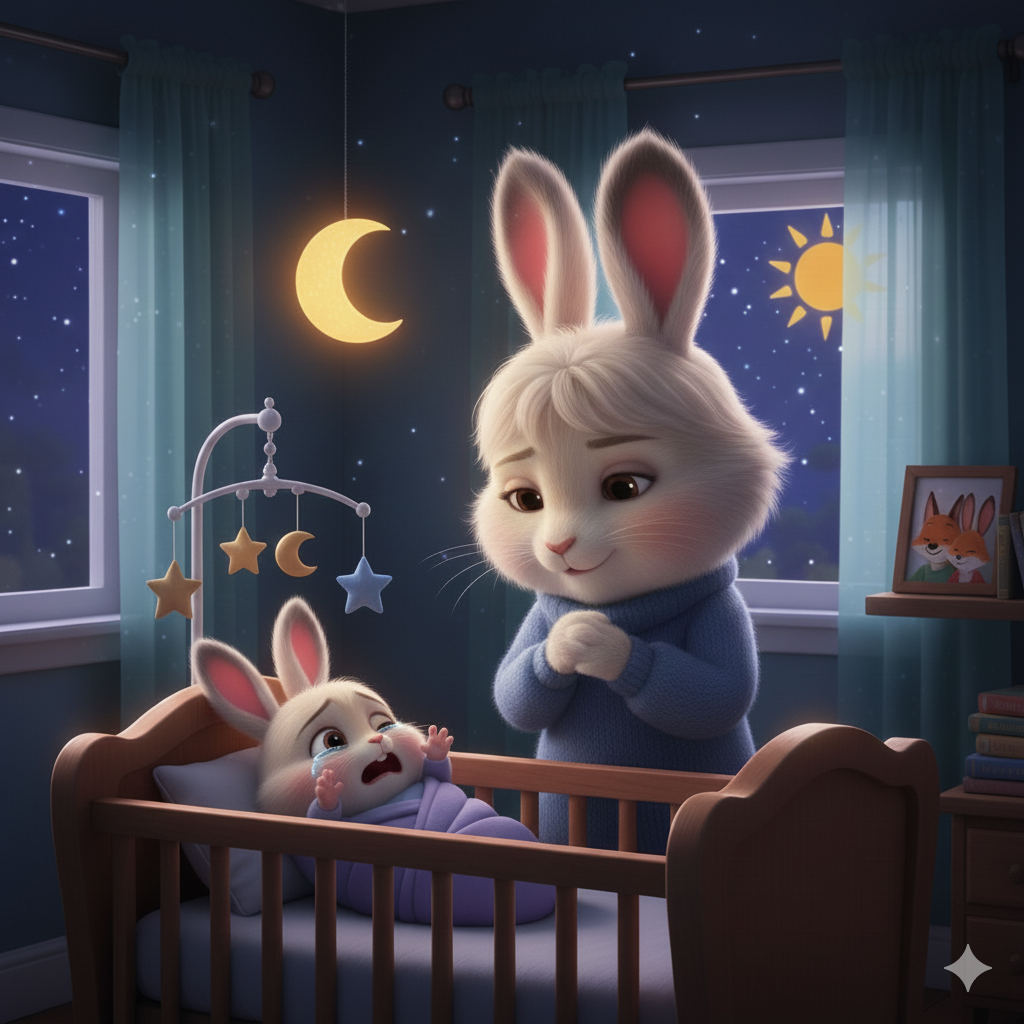
One of the most agonizing questions a new parent faces is whether to "sleep train." Specifically, the "Cry It Out" method often feels like a choice between your baby’s sleep and their emotional safety. You want them to rest, but you’re terrified that letting them cry—even for a few minutes—might damage their development or your bond.
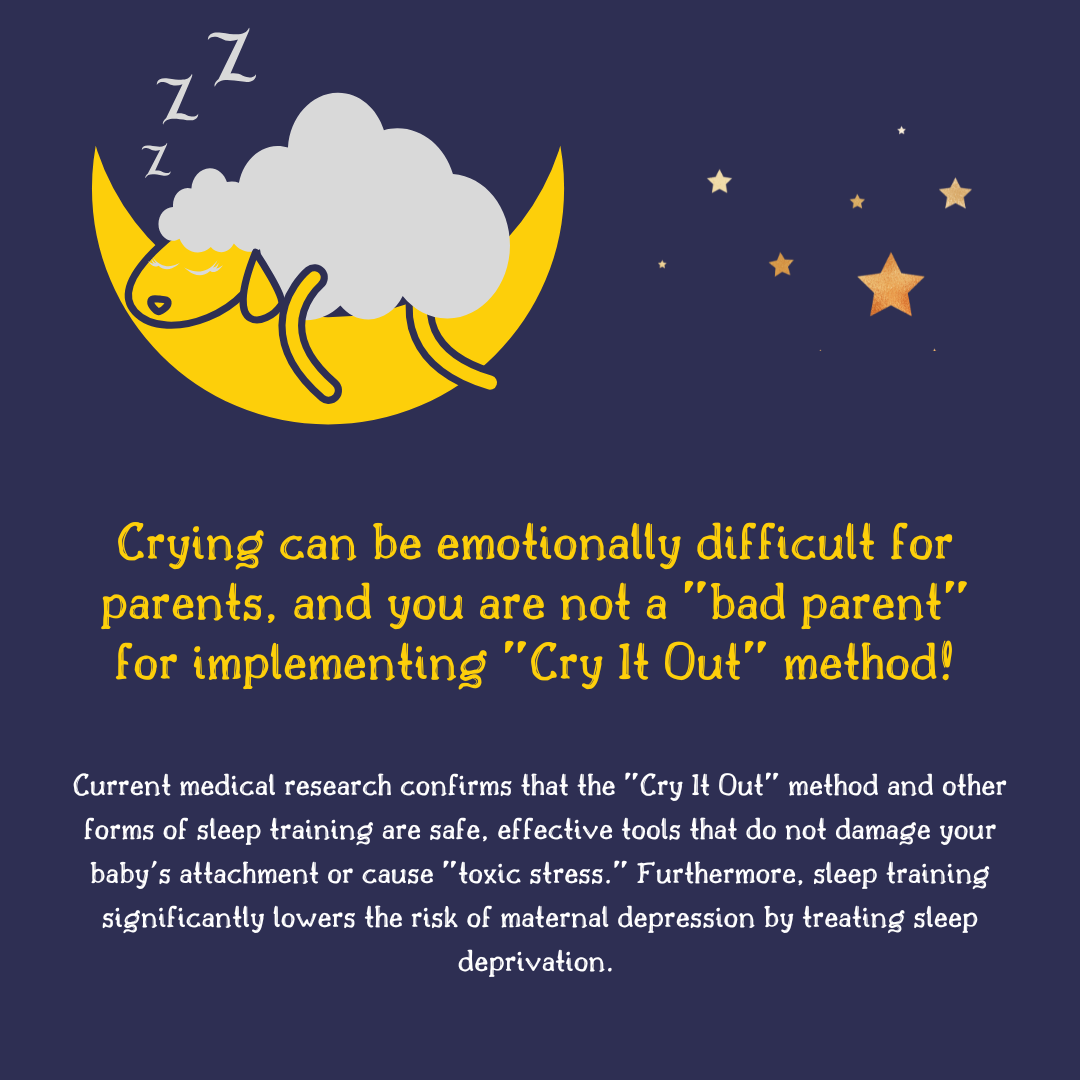
Take a deep breath. As a parent, your instinct to protect is powerful, but so is the need for rest. The good news? Current medical research overwhelmingly suggests that safe sleep training does not harm your baby. In fact, it often leads to a healthier, happier family unit. Here is the evidence-based truth to help you make the right choice for your family.
What Actually Is the "Cry It Out" Method?
Before we dive into the safety data, we must clarify what we are talking about. In online parenting forums, "Cry It Out" (CIO) is often used as a blanket term for any sleep training. However, in sleep medicine, there are distinct differences:
Extinction ("Full Cry It Out"): This involves putting the baby to bed awake and not returning until morning (unless there is a safety issue). This is the "old school" method and is rarely the first recommendation today.
Graduated Extinction (Ferber Method): This is the most common form of "Cry It Out" used today. Parents place the baby down awake and return at specific, increasing intervals (e.g., 3 minutes, then 5, then 10) to offer brief verbal reassurance without picking the baby up.
When we ask, "Is the Cry It Out method harmful?", we are usually looking at the effects of these periods of crying on the baby's stress levels and attachment. The goal isn't to ignore the baby, but to allow them the space to learn the skill of falling asleep independently.
Does the Cry It Out Method Damage Attachment?
The biggest fear parents have is that sleep training will break the bond of trust they’ve built with their infant. The fear is that the baby stops crying not because they are soothed, but because they have "given up" on the parent returning.
Fortunately, recent science tells a different story. A landmark study published in the Journal of Child Psychology and Psychiatry (2020) followed infants to see if those who were left to "cry it out" had different attachment styles than those who were not.
The findings were clear: There was no negative effect on the bond between mother and baby. At 18 months, the babies who had been sleep trained were just as securely attached to their mothers as those who were rocked or nursed to sleep. The researchers found that a parent's responsiveness during the day matters far more than what happens during a controlled sleep training window at night.
The Cortisol Question: Is Sleep Training Stressful for Babies?
You may have heard rumors that "Crying It Out" floods a baby’s brain with toxic levels of cortisol (the stress hormone). This fear usually stems from older or misinterpreted studies.
Modern research differentiates between "toxic stress" (caused by chronic neglect or abuse) and "positive stress" (short-term challenges that help us learn, like learning to walk or sleep).
A critical investigation into infant sleep and mental health published in 2020 looked at long-term outcomes. The study found that behavioral sleep interventions (sleep training) did not lead to higher stress levels or emotional chaos later in childhood. In fact, well-rested babies often have lower baseline cortisol levels during the day because they aren't chronically overtired. While the crying is difficult in the moment, evidence suggests it does not cause long-term physiological harm.
The "Invisible" Patient: How Sleep Training Protects Maternal Mental Health
When we debate the Cry It Out method, we often focus 100% on the baby and 0% on the parent. This is a medical oversight. The health of the parent is inextricably linked to the health of the baby.
Sleep deprivation is a primary trigger for postpartum depression and anxiety. A depressed or exhausted parent often struggles to be "present," playful, and responsive during the day.
Research published in The Journal of Pediatrics analyzing real-world implementation of sleep interventions found that successful sleep training didn't just help the baby sleep—it significantly improved maternal mood. By reclaiming sleep, parents were able to engage more positively with their children. If sleep training helps you step back from the edge of exhaustion, it is a valid medical intervention for the whole family's well-being.
Actionable Steps to Approach Sleep Training Safely
If you decide that sleep training is right for your family, you don’t have to jump into the deep end. Here is a safe, gradual way to implement these changes:
Check the Calendar: Ensure your baby is developmentally ready (usually around 4-6 months) and not currently sick, teething, or going through a major transition (like starting daycare).
Establish a Bedtime Routine: Create a 20-30 minute wind-down ritual (Bath, Book, Bed) that happens every single night. This cues the brain that sleep is coming before the lights go out.
The "Drowsy But Awake" Put Down: The core of the Cry It Out method (even the gentle versions) is that the baby must be in the crib before they are fully asleep. They need to experience the transition from awake to asleep on their own.
Set Your Timer (The Check-In): If you are using Graduated Extinction, decide your intervals beforehand (e.g., 3, 5, and 10 minutes). When you go in, keep the visit short (under 1 minute). Use your voice ("I love you, it's time for sleep") but avoid picking them up.
Be Consistent for 1 Week: Inconsistency is confusing for a baby. If you let them cry for 30 minutes and then rock them to sleep, you have accidentally taught them that "crying for 30 minutes gets me rocked." Commit to the plan for 5-7 days to see real results.
Conclusion
Is "crying out" a harmful sleep soothing method? The scientific consensus is no. When done safely, at the appropriate age, and in the context of a loving home, sleep training is not damaging. It is a short-term investment for a long-term gain: a well-rested child and a functioning, happy parent.
You are the expert on your child. If the Cry It Out method feels wrong for you, there are other methods. But if you choose to do it, do so without guilt. You aren't ignoring your baby; you are teaching them a vital life skill and protecting the mental health of your entire family.
-
Bilgin, A., & Wolke, D. (2020). Parental use of 'cry it out' in infants: no adverse effects on attachment and behavioural development at 18 months. Journal of Child Psychology and Psychiatry, 61(11), 1184–1193.
Cook, F., Conway, L., Giallo, R., Garton, D., & Hiscock, H. (2020). Infant sleep and child mental health: a longitudinal investigation. Archives of Disease in Childhood, 105(3), 255-260.
Kahn, M., Juda-Hanael, M., Livne-Karp, E., Tikotzky, L., & Sadeh, A. (2020). Implementation of Behavioral Interventions for Infant Sleep Problems in Real-World Settings. The Journal of Pediatrics, 219, 196-202.