Why Your Legs Won't Settle Down at Night (RLS)
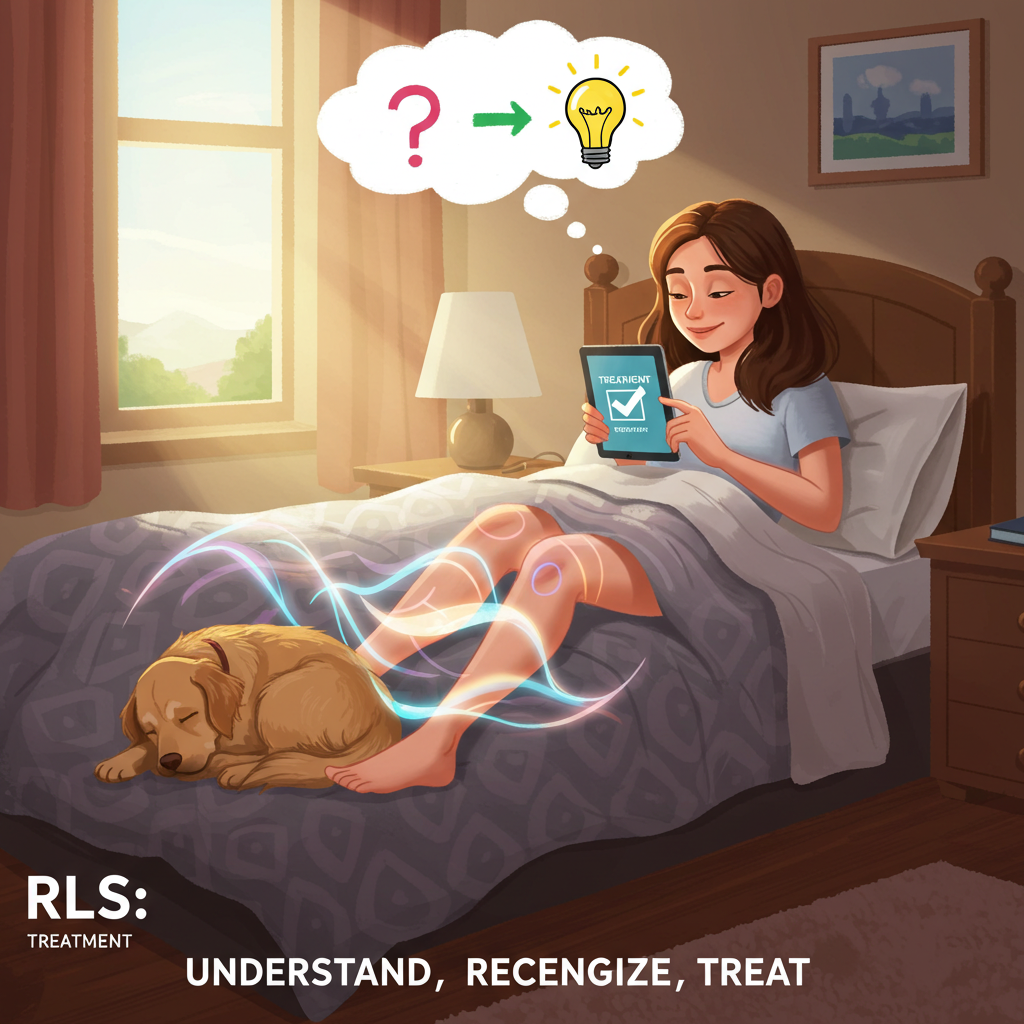
The house is quiet. The day is done. You finally slip into bed, ready for a peaceful night's sleep, but your body has other plans. An insistent, almost maddening sensation begins to creep into your legs—not quite a pain, not just a cramp, but an overwhelming urge to move them. This is the nightly battle for millions living with Restless Legs Syndrome (RLS), a neurological puzzle that turns moments of rest into periods of intense restlessness.
Also known as Willis-Ekbom Disease, RLS affects up to 10% of adults, stealing serenity and profoundly disrupting sleep. If you’ve found yourself pacing the floors at midnight just to find a moment of peace, you are not alone. Let’s decode this mysterious condition and explore the modern ways to finally get some relief.
When Rest Makes It Worse: Spotting the Symptoms
The sensations of RLS are notoriously difficult to describe. Patients often use words like crawling, tingling, pulling, aching, or even a creepy-crawly feeling, like insects marching just beneath the skin. These feelings are typically deep within the limbs, most often the legs, but in severe cases, they can also affect the arms or trunk.
What truly defines RLS, however, are two key characteristics: the symptoms peak in the evening or at night, and they are triggered by rest. The very act of lying down or sitting on the couch becomes a cue for the discomfort to begin. The only thing that provides temporary relief is movement—stretching, shaking your legs, or walking around.
This vicious cycle shatters sleep quality, leading to a cascade of negative effects on daily life. Excessive daytime fatigue, irritability, anxiety, and a persistent cognitive fog are common companions to RLS. Furthermore, up to 80% of people with the condition also experience periodic limb movements during sleep (PLMS)—small, involuntary jerks that further fragment an already fragile rest.
Unpacking the Causes: The Brain-Body Conspiracy
RLS is a complex condition with multiple contributing factors. At its core, it stems from a glitch in how the brain handles signals related to movement and rest.
Dopamine and Iron: The primary biological culprits are believed to be a dysfunction in the neurotransmitter dopamine, which is essential for smooth motor control, and low iron levels within the brain. Iron is a critical building block for producing dopamine. When the brain is deficient in iron—even if your general blood work appears normal—these crucial signals can go haywire, amplifying the urge to move.
Genetics: RLS often runs in the family. Over half of all cases have a clear genetic link, suggesting that certain genes can predispose a person to developing the condition.
Secondary Triggers: In many cases, RLS is triggered or worsened by other health conditions or lifestyle factors. These include pregnancy (affecting up to one in four pregnant women), chronic kidney disease, diabetes, and peripheral neuropathy. Certain medications, like some antidepressants, antihistamines, and antipsychotics, can also exacerbate symptoms, as can heavy use of alcohol, nicotine, or caffeine.
Early-Onset vs. Late-Onset: A Tale of Two Timings
When your symptoms first appear can offer crucial clues about the nature of your RLS and how to best manage it.
Early-Onset RLS: Beginning before age 45, often in one's 20s or 30s, this form is strongly associated with genetics. It tends to progress slowly over many years, meaning management often requires careful, long-term strategies.
Late-Onset RLS: This type appears after age 45 and is more frequently tied to secondary causes, like low iron stores (serum ferritin), kidney problems, or medication side effects. It often progresses more rapidly, but the good news is that it may improve significantly if the underlying trigger—such as an iron deficiency—is identified and corrected.
Your Roadmap to a Restful Night
Finding relief from RLS is not a one-size-fits-all solution; it’s about finding the right combination of strategies for you. With persistence, 70–80% of people can find significant relief.
Your First Line of Defense: Self-Care
Optimize Your Sleep Hygiene: Go to bed and wake up around the same time each day. Ensure your bedroom is a cool, dark, and quiet sanctuary. Power down all screens at least an hour before bedtime.
Move Your Body (Wisely): Daily, moderate exercise like walking, swimming, or resistance training can help reduce the severity of symptoms by naturally boosting dopamine. However, avoid intense workouts close to bedtime, which can have the opposite effect.
Soothe Your Senses: Simple practices like a warm bath, leg massages, yoga, or gentle stretching before bed can ease tension. Some people also find relief from hydrotherapy (like a cold wrap on the knees) or acupressure.
Ditch the Triggers: Pay close attention to how your body reacts to caffeine, alcohol, and nicotine. For many, avoiding these substances, especially in the afternoon and evening, can make a world of difference.
Targeted Medical Solutions
When lifestyle adjustments aren't enough, it’s time to seek medical guidance. A doctor can help address the underlying neurochemical imbalances.
Check Your Iron: A blood test to check your ferritin level (a measure of your body's iron stores) is a non-negotiable first step. If your ferritin is below 75 ng/mL, iron therapy, either with oral supplements or an IV infusion, can be a game-changer.
Modern Pharmacotherapy: In the past, dopamine agonists (like pramipexole) were the standard treatment. However, recent medical guidelines urge caution with long-term use due to the risk of "augmentation"—a paradoxical phenomenon where the medication eventually makes RLS symptoms worse. Today, alpha-2-delta ligands (such as gabapentin or pregabalin) are often the preferred first-line treatment for chronic symptoms. These drugs work by calming overexcited nerves and have a much lower risk of augmentation.
Specialized Care: For severe cases that don't respond to other treatments, a sleep specialist or neurologist may consider low-dose opioids, which are prescribed and monitored carefully.
If the nightly dance of restless legs is stealing your peace, know that you don’t have to simply endure it. By understanding its triggers, addressing root causes, and combining self-care with science-backed medicine, you can finally quiet your limbs and reclaim your rest. Sweet dreams await—go claim them.
-
Walters, A. S., et al. (2020). Restless Legs Syndrome across the Lifespan: Symptoms, Pathophysiology, Management and Daily Life Impact of the Different Patterns of Disease Presentation. International Journal of Environmental Research and Public Health, 17(10), 3658.
Ohayon, M. M., et al. (2025). Unraveling Restless Legs Syndrome: A Comprehensive Review of Current Research and Future Directions. Cureus, PMC12296998.
Walters AS, et al. (2020). Restless Legs Syndrome across the Lifespan: Symptoms, Pathophysiology, Management and Daily Life Impact of the Different Patterns of Disease Presentation. International Journal of Environmental Research and Public Health, 17(10):3658.