How Your Nightcap Is Stealing Your Sleep
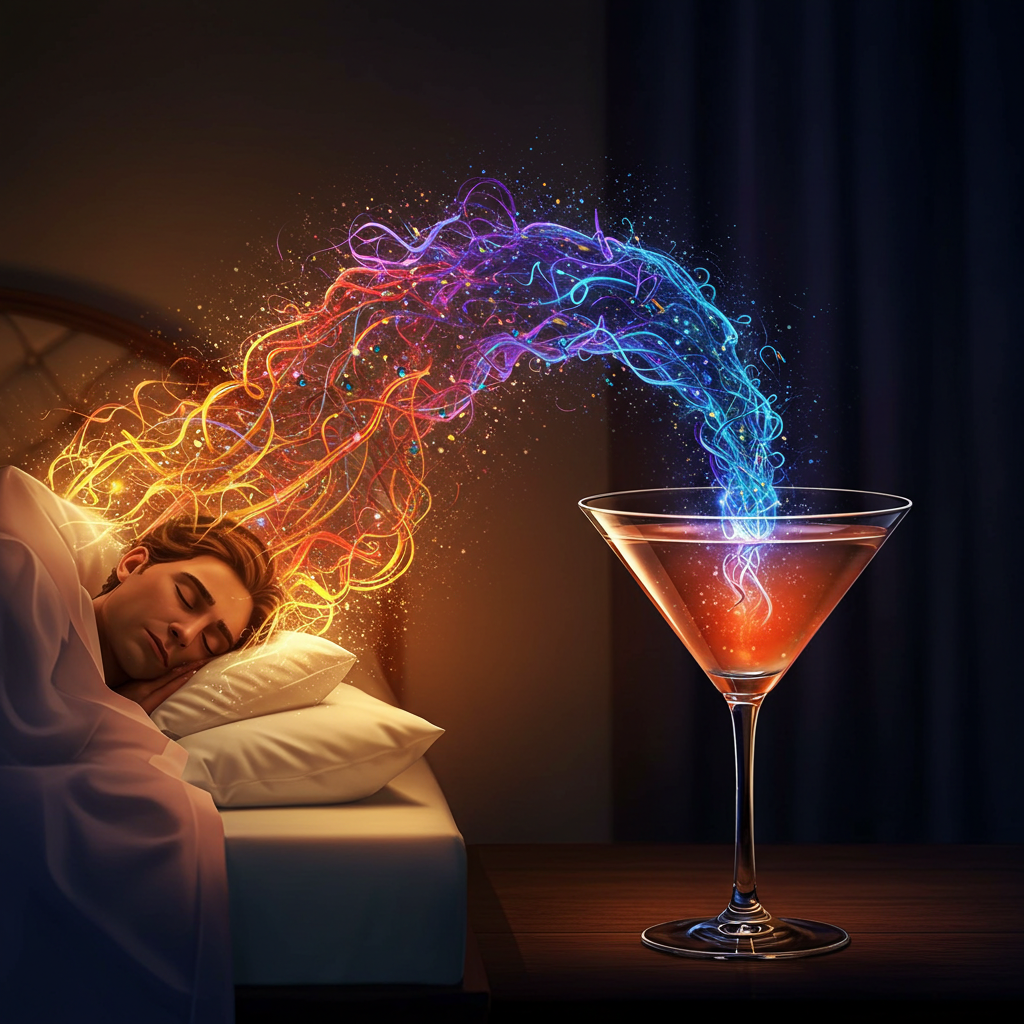
In our always-on world, it's a common ritual: the glass of wine to "take the edge off" or the nightcap to chase away a stressful day. We often think of alcohol as a quick, simple way to find calm. But this temporary sedation is deeply deceptive. Beneath that fleeting sense of relaxation lies a complex, troubling triad of disruption involving alcohol, fragmented sleep, and your body’s internal 24-hour timekeeper: the circadian rhythm.
These rhythms, governed by a "master clock" deep in your brain, regulate everything your body does—from when you sleep and wake to the release of hormones and the subtle shifts in your body temperature. Alcohol doesn't just make you sleepy; it actively interferes with these essential, life-sustaining processes, creating a vicious cycle that can be notoriously hard to escape.
The Deceptive Calm: Why Alcohol Destroys Sleep Quality
Alcohol is often praised for helping people doze off faster. This initial effect is real: as a sedative, it quickly depresses the central nervous system, promoting fast sleep onset and even resulting in a few hours of deep, slow-wave sleep.
But this is where the deception ends.
As your body works hard to metabolize and eliminate the alcohol—typically during the second half of the night—it triggers a counter-reaction known as sympathetic arousal. This biological alarm system ramps up your stress hormones, causing you to wake up frequently and experience a sharp reduction in overall sleep efficiency. This disruption completely outweighs any initial benefit you felt.
One of the biggest casualties is REM (Rapid Eye Movement) sleep, which is crucial for emotional processing, creative problem-solving, and solidifying memories. Alcohol ruthlessly suppresses this vital stage. The damage isn't just a one-night affair, either. Individuals dealing with Alcohol Use Disorder (AUD) often experience prolonged insomnia and shattered sleep patterns even after they stop drinking. The body's clock remains broken for a long time, sometimes even more so for females compared to males, highlighting the need for highly tailored support.
The Body's Broken Clock: Circadian Chaos
The harm extends far beyond a restless night. Alcohol profoundly disrupts your core circadian rhythm by altering the expression of key clock genes in the brain and vital organs, including your liver and immune tissues.
Chronic heavy drinking can "flatten" the signal of these critical clock genes, leading to desynchrony. This is molecular chaos: it means your different organs are running on misaligned schedules. This internal clock conflict results in phase shifts in crucial processes, such as the secretion of the sleep hormone melatonin and the stress hormone cortisol.
This internal desynchrony explains why the damage from alcohol is much more than a simple hangover. This chronic chaos is a known contributor to serious, long-term health risks, including metabolic disorders, impaired immune function, and a host of other issues.
The Vicious Loop: Why Poor Sleep Drives Drinking
The relationship between alcohol and the clock is a two-way street. Not only does alcohol disrupt your rhythms, but preexisting circadian disruptions actually increase your vulnerability to problematic drinking.
For instance, people who are natural "night owls"—evening chronotypes—are more prone to binge drinking. Their late schedules often align with heightened impulsivity and a delayed ability to process rewards. This creates a powerful feedback loop where poor sleep drives alcohol use, which in turn further erodes healthy sleep rhythms.
Furthermore, internal misalignment caused by external factors like shift work or light pollution can increase feelings of anxiety and depression. Since these mental health issues often co-occur with AUD, they significantly elevate the risk of relapse. In fact, unresolved sleep problems are one of the strongest predictors of relapse in patients recovering from AUD.
Rewiring the Rhythm: 5 Practical Steps to Break Free
Breaking free from this cycle requires intentionally restoring balance, focusing on both the quality of your sleep and the health of your circadian rhythm. The goal is to give your internal clock the consistent signals it needs to run smoothly.
Behavioral & Sleep-Focused Strategies (Your First Steps)
Cut the Nightcap: This is non-negotiable. Avoid all alcohol within four to six hours of bedtime. Even moderate evening drinking will degrade the crucial second half of your night's rest.
Practice Circadian Hygiene: Anchor your internal clock by establishing a consistent sleep–wake time, even on weekends. Consistency is the most powerful circadian cue you have.
Seek Morning Light: Expose yourself to bright light (natural sunlight is best) within 30 to 60 minutes of waking. This is a powerful signal that helps to lock in your circadian day.
Dim the Evening: Avoid blue light from electronic devices at least an hour before bed. Blue light tells your brain it's daytime. Swap to warm lighting or consider blue-blocker glasses to support natural melatonin production.
Address Chronic Insomnia: If persistent trouble sleeping is an issue, seek Cognitive Behavioral Therapy for Insomnia (CBT-I). This is the gold-standard behavioral therapy and is highly recommended for improving AUD recovery outcomes without the risk of relying on other sedative medications.
By prioritizing rhythm restoration—through consistency, light management, and professional support—you can reclaim your restful nights and significantly reduce the grip of alcohol dependence.
-
Rosenwasser, A. M., Fixaris, M. C., Logan, R. W., & Seggio, J. A. (2022). The effects of circadian desynchronization on alcohol consumption and affective behavior during alcohol abstinence in female rats. Frontiers in Behavioral Neuroscience, 16, 1044783.
Sharma, R., & Logan, R. W. (2023). Editorial: Sleep and circadian rhythm disruptions associated with substance use disorders. Frontiers in Neuroscience, 17, 1165084.
Jia, M., Chen, J., Li, G., Zhang, D., & Guo, Q. (2024). Disrupted Circadian Rhythms and Substance Use Disorders: A Narrative Review. Clock & Sleep, 6(3), 30.
Kim, Y., Lee, Y. C., Kim, J., Sim, S., & Kim, Y. (2024). Association between sleep patterns and alcohol use disorders in workers. PLOS ONE, 19(8), e0308418.
McCulley, W. D. III, Zaki, Y., D’Souza, S., Le, C., & Greenhill, S. (2022). Targeting the Maladaptive Effects of Binge Drinking on Circadian Gene Expression in the Neurocircuitry of the Stress and Reward Systems. International Journal of Molecular Sciences, 23(19), 11084.
Boness, C. L., Immler, P., & Vizek, B. (2022). Associations between Specific Sleep and Circadian Characteristics and Alcohol Use: A Review. (Not officially published in a journal with volume/page numbers, but listed as a review).
Meyer, C., Lauer, L., & Schädler, J. (2024). Effects of chronodisruption and alcohol consumption on brain function. Frontiers in Molecular Neuroscience. (Awaiting specific volume/page number details).