Midlife Sleep: The Great Shift
Midlife brings a unique set of physiological and hormonal changes that can turn once-reliable sleepers into restless tosser-and-turners. From the impact of menopause and fluctuating testosterone to the increased stress of the "sandwich generation," we tackle the specific hurdles of sleep in your 40s and 50s. Learn how to reclaim your nights and navigate the transition into your later years with vitality.
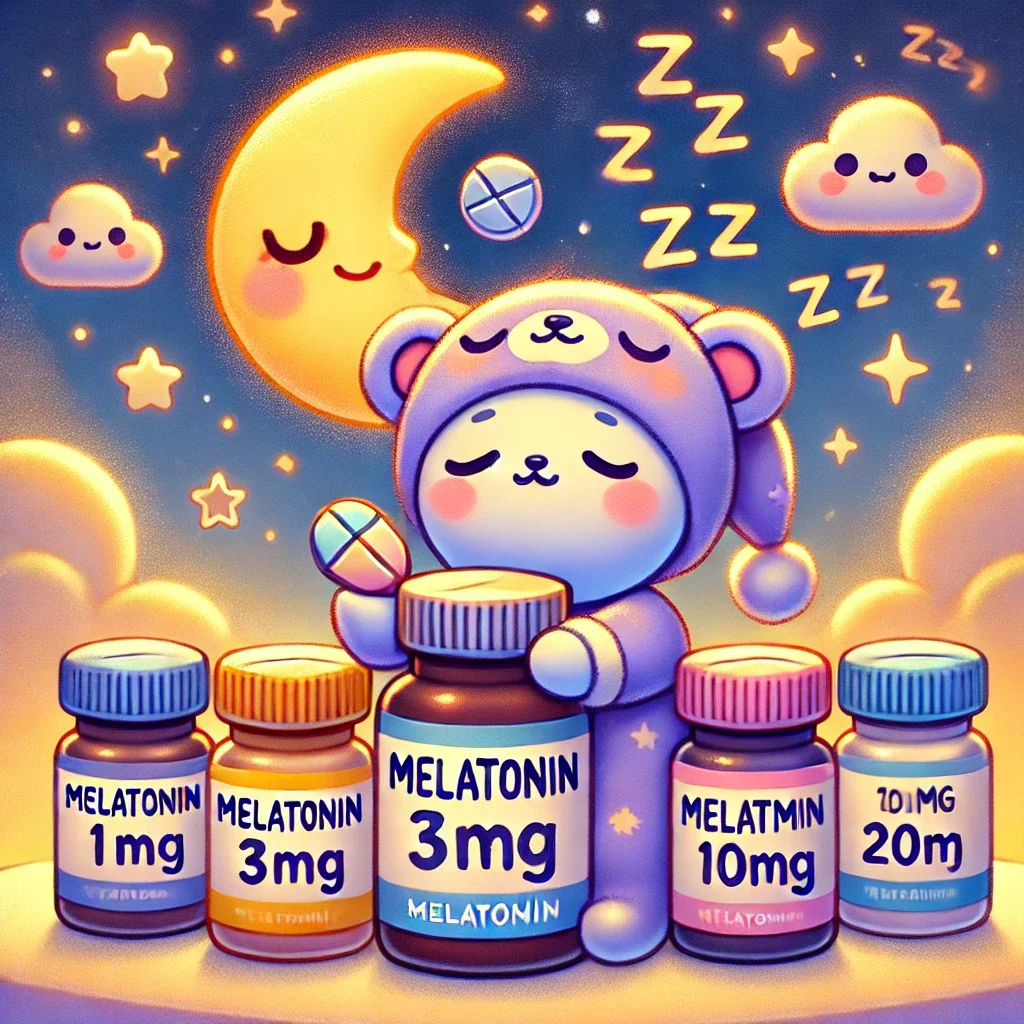
Why Taking More Melatonin Isn't Always Better
We all want better sleep, but that little melatonin pill might be doing more harm than good. We'll reveal how doses above 5mg can quietly mess with your hormonal balance and what "heavy hitter" doses (over 10mg) are doing to your gut and even your liver. If you're using melatonin long-term, you need to read this before you take your next pill.
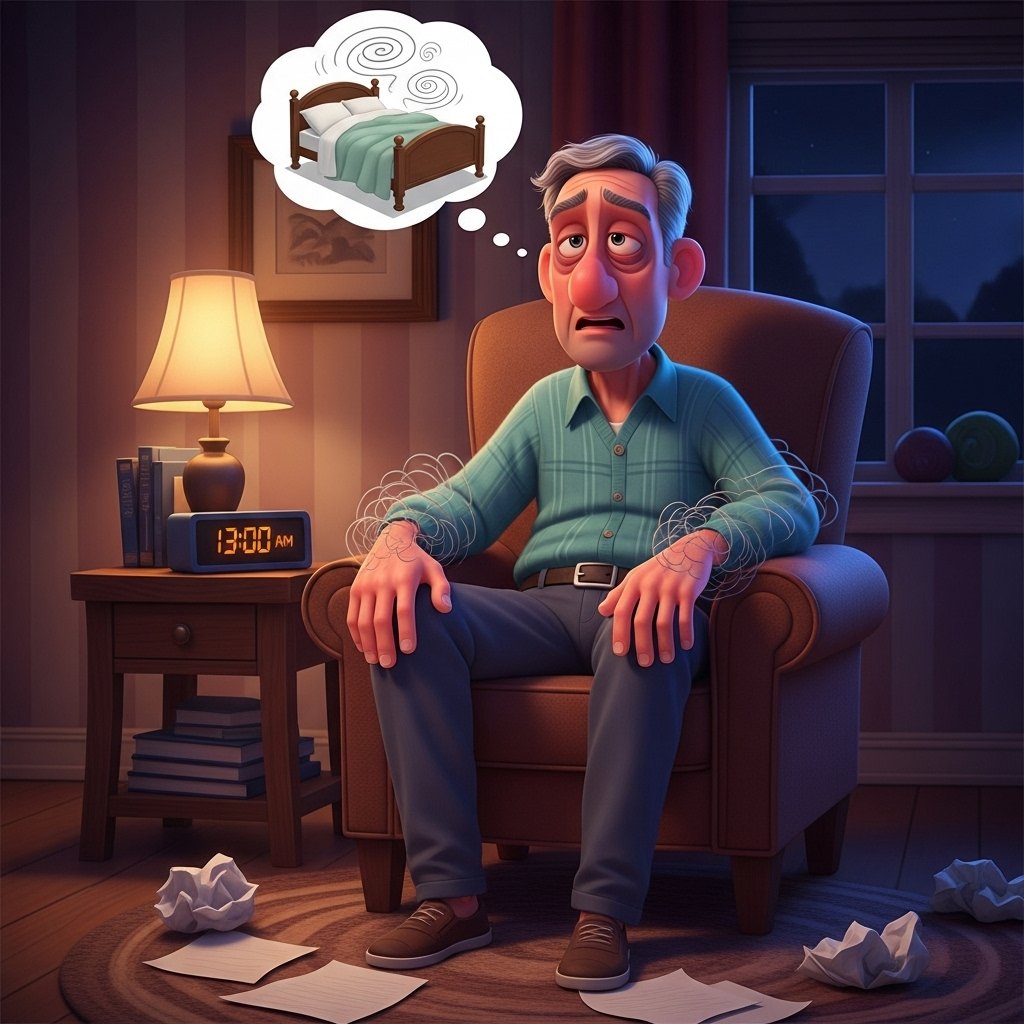
Why Sleep is Your New Ally: How Targeting Sleep Disturbances Can Slow Huntington’s Disease Progression
Discover the critical link between sleep quality and the progression of Huntington’s disease (HD). Research confirms that sleep problems negatively impact Huntington's disease by accelerating cognitive decline and worsening motor symptoms. Here we break down the science of HD's effect on your circadian.
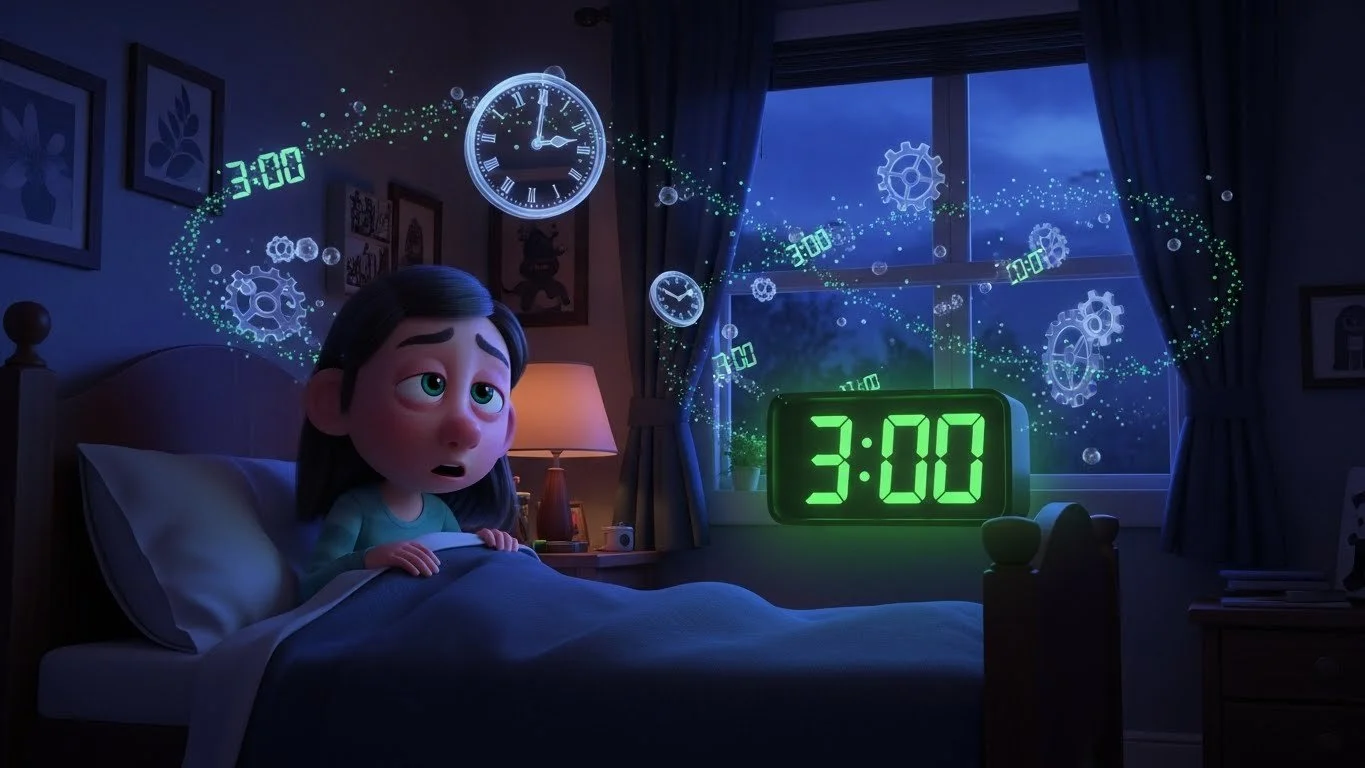
Biological Clockwork: Why You’re Waking Up at the Same Time Every Night
Struggling with waking up at the same time every night? It’s not just stress—it’s a biological chain reaction involving cortisol spikes and liver workload. This article explores how your internal thermostat and metabolic "night shift" could be triggering 3 AM wake-ups. Learn science-backed strategies to reset your clock and stay asleep until morning.

The Melatonin Myth: Why This "Sleep Miracle" Doesn't Work for Everyone
Frustrated that melatonin isn't helping you sleep? Discover the 5 scientific reasons why melatonin doesn't work for everyone, from genetic "MTNR1B" variations to improper dosage. Learn how to fix your timing and find the right micro-dose to finally sync your circadian rhythm. Stop guessing and start sleeping better with these evidence-based tips.

Is Your Sleep Schedule Triggering Your Migraines? Why Your Internal Clock Matters
Struggling with frequent headaches? Discover the vital link between migraine and sleep quality and how your circadian rhythm affects pain. Learn why poor sleep triggers attacks and how a consistent schedule can help you break the bidirectional cycle of exhaustion and migraines.
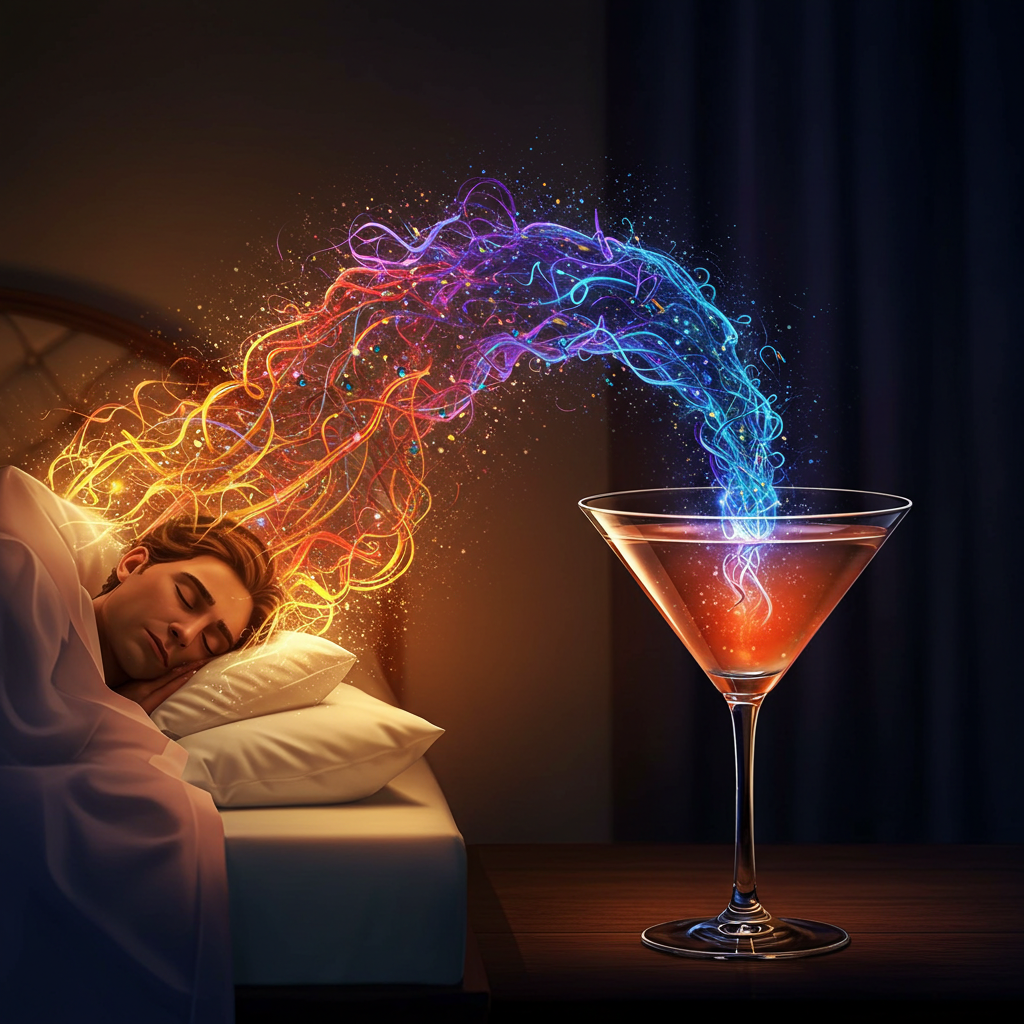
How Your Nightcap Is Stealing Your Sleep
Beneath the temporary calm, alcohol is waging a secret war on your sleep quality and your body’s master timekeeper, the circadian rhythm. Discover how drinking leads to fragmented nights and a broken internal clock, creating a vicious cycle that fuels more stress and more drinking.