Silence Nighttime Wake-Ups
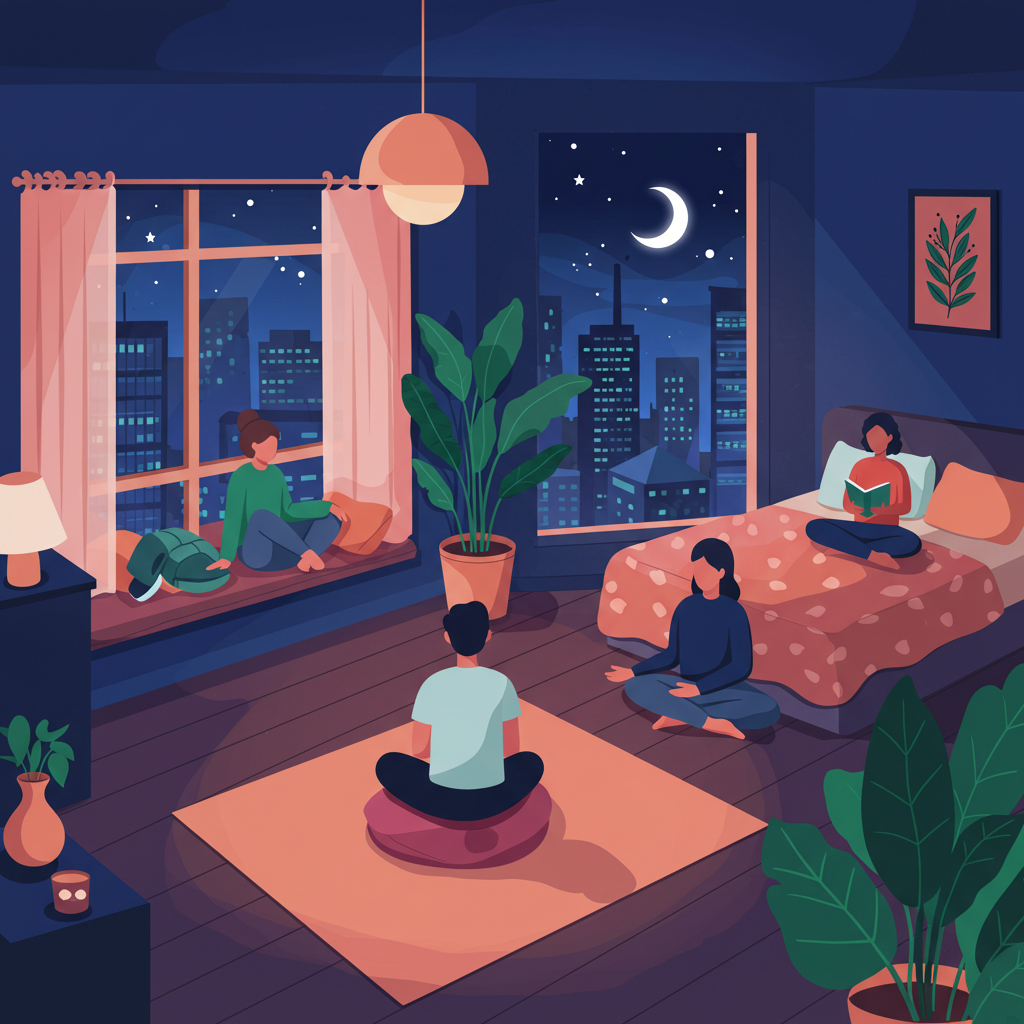
Waking up in the dead of night, staring at the ceiling, and battling to drift back off is a uniquely frustrating and common experience. These nocturnal awakenings, often occurring near midnight or in the early hours, can shatter your overall sleep quality, leading to a vicious cycle of daytime fatigue and mood swings. The good news? Science-backed research offers clear, evidence-based strategies to help you conquer these interruptions, return to sleep swiftly, and reclaim your rest.
Understanding Your Sleep Disruption
Sleep is a dynamic process, not a solid block. It's perfectly normal to wake up a few times a night without even realizing it. However, when these interruptions become frequent, long, or hard to resolve, they signal a deeper issue.
Why does it happen when it does? As your body cycles through stages like light sleep and deep REM, it becomes more vulnerable to awakenings. This is often exacerbated by your core body temperature, which begins to drop around 10:30 p.m. and continues until the early morning.
Several factors can make you prone to these 'midnight alarms':
Stress: Daily pressures elevate the stress hormone cortisol, which keeps your brain on high alert, making it difficult to settle back down.
Age: Sleep naturally becomes more fragmented as you get older.
Environment: Noise, light exposure, or a room that is too warm or too cold can push you out of a deeper sleep stage.
Health: Underlying issues like chronic pain, depression, or even gut health conditions can be significant contributors.
Stop the Vicious Cycle: What to Avoid
When you wake up, your goal is simple: reduce physiological and cognitive arousal. Unfortunately, many of the things we instinctively do only make the problem worse. Avoid these sleep saboteurs:
Clock-Watching: Checking the time is a direct route to anxiety. Calculating how many hours you have left to sleep increases stress, making sleep less likely. Turn the clock face away and resist picking up your phone.
Electronics and Bright Lights: Your temptation to scroll is powerful, but light exposure—even dim light—immediately halts the production of melatonin, the hormone that helps you sleep.
Lying in Bed Too Long: If you wake up and are unable to fall back asleep after about 15–20 minutes, you must get out of bed. This behavioral technique, known as stimulus control, is crucial for breaking the learned association between your bed and wakeful frustration.
Immediate Action: How to Fall Back Asleep Tonight
If you’ve been awake for 15 to 20 minutes, follow the "get out of bed" rule and move to another, dimly lit room. Your activity here should be quiet and deliberately boring. Think reading a dull book, practicing slow breathing, or listening to an audio relaxation guide—and again, avoid screens! Return to bed only when you feel genuinely tired or sleepy.
While you are awake, use focused-attention tools to calm your mind and bring your heart rate down (you need to hit 60 beats per minute or less to drift off).
Try 4-7-8 Breathing
This deep breathing technique is a powerful way to activate the parasympathetic nervous system, your body's "rest and digest" mode:
Breathe in slowly through your nose for 4 seconds.
Hold your breath for 7 seconds.
Breathe out softly through your mouth for 8 seconds.
Repeat this for a few cycles to focus your mind and lower your heart rate.
Focus on Non-Sleep Deep Rest (NSDR)
If frustration mounts, remember this: just because you are awake doesn't mean you aren't resting. Your body can still benefit from a state known as NSDR, which is controlled relaxation. Focus on releasing stress and tension, acknowledging that your body is still getting restorative benefit from this quiet time.
Building Long-Term Resilience: The Gold Standard
For chronic, frequent nighttime awakenings, structured, non-pharmacological interventions are proven to have the most positive and lasting effects.
The Power of CBT-I
Cognitive Behavioral Therapy for Insomnia (CBT-I) is considered the gold standard treatment. CBT-I addresses the maladaptive thoughts and behaviors that perpetuate the cycle of awakenings, offering a targeted approach that reduces insomnia severity and the total time spent awake at night. Today, digital versions of CBT-I are widely accessible and show robust benefits for long-term relief.
Optimize Your Environment and Habits
Long-term success relies on consistency in your daily routine and environment:
Keep a Consistent Schedule: Maintain a regular wake time every day, even after a bad night, to stabilize your body's circadian rhythm.
Use Light and Movement: Aim for moderate activity (like walking) earlier in the day. Get morning bright light exposure for about 30 minutes to reset your internal clock.
Optimize the Room: Keep your bedroom cool (between 60–67°F for most people), dark (using blackout curtains), and quiet.
Limit Fluids: Reduce fluid intake before bed to minimize disruptive bathroom trips.
By integrating these strategies—prioritizing behavior over quick fixes, optimizing your environment, and using focused relaxation tools when you wake—you can transform restless nights into restorative sleep, boosting your overall health and resilience.
When to See a Specialist
If you consistently experience sleep disruption despite improving your sleep hygiene and using these techniques, it's time to consult a doctor. If symptoms persist for over three months, seek a referral for a sleep medicine assessment. Specialists can rule out underlying health problems or sleep disorders, such as sleep apnea, and connect you with robust treatments like digital CBT-I, which has high success rates.
-
Munir, R., et al. (2025). Non-pharmacological interventions for sleep disturbance (“insomnia”) in patients with advanced cancer: a scoping review. Supportive Care in Cancer.
Liu, Y., et al. (2025). Non-pharmacological interventions for sleep in older adults: an umbrella review and evidence map of randomized controlled trials. Frontiers in Neurology.
Thorndike, F. P., et al. (2025). A randomized controlled trial of a digital cognitive behavioral therapy for insomnia for older adults. npj Digital Medicine.
Liu, J., et al. (2025). Effectiveness of Non-Pharmacological Interventions for Sleep Disorders in Enhancing Quality of Life, Cognitive Function, and Sleep Quality in Older Adults with Mild Cognitive Impairment: A Systematic Review and Meta-Analysis. Medicina, 61(4), 583.
Germain, A., et al. (2023). Improving Sleep to Improve Stress Resilience. Current Sleep Medicine Reports.