Teenager Sleep: The Biological Shift
Teenagers are often unfairly labeled as "lazy" for sleeping in, but science tells a different story. During adolescence, the circadian clock undergoes a biological shift, pushing sleep cycles later while academic and social pressures pull them earlier. We examine the unique challenges of the teenage brain, the impact of blue light, and how prioritizing rest can transform mental health, academic performance, and athletic recovery.
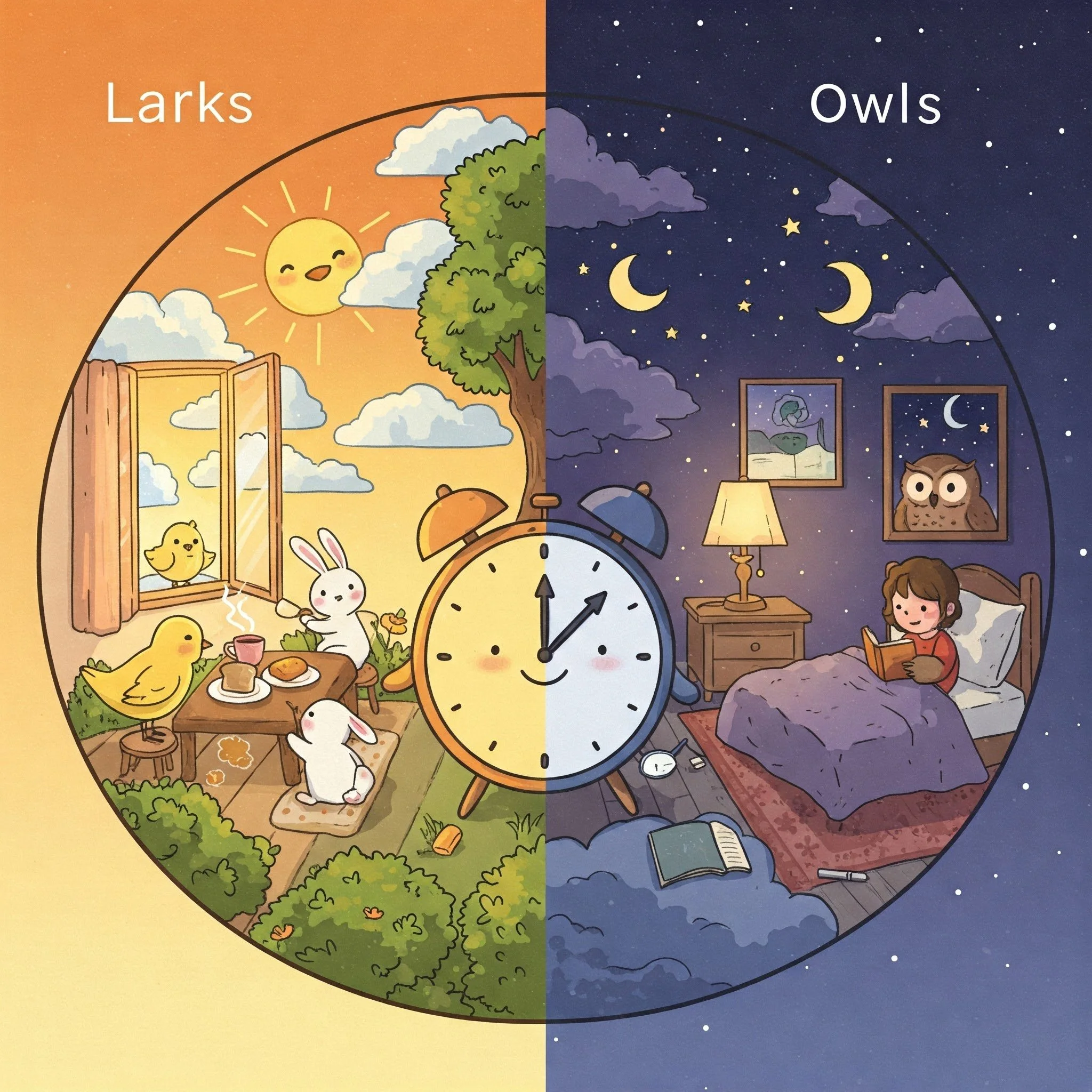
The Wild Rollercoaster of Your Biological Clock
Why do you jump out of bed as a kid, but need a crowbar to get up as a teenager? Learn why your natural sleep rhythm (your chronotype) is constantly shifting from childhood to old age. Find out how to align your life with your body's inner rhythm for better mood, performance, and health.
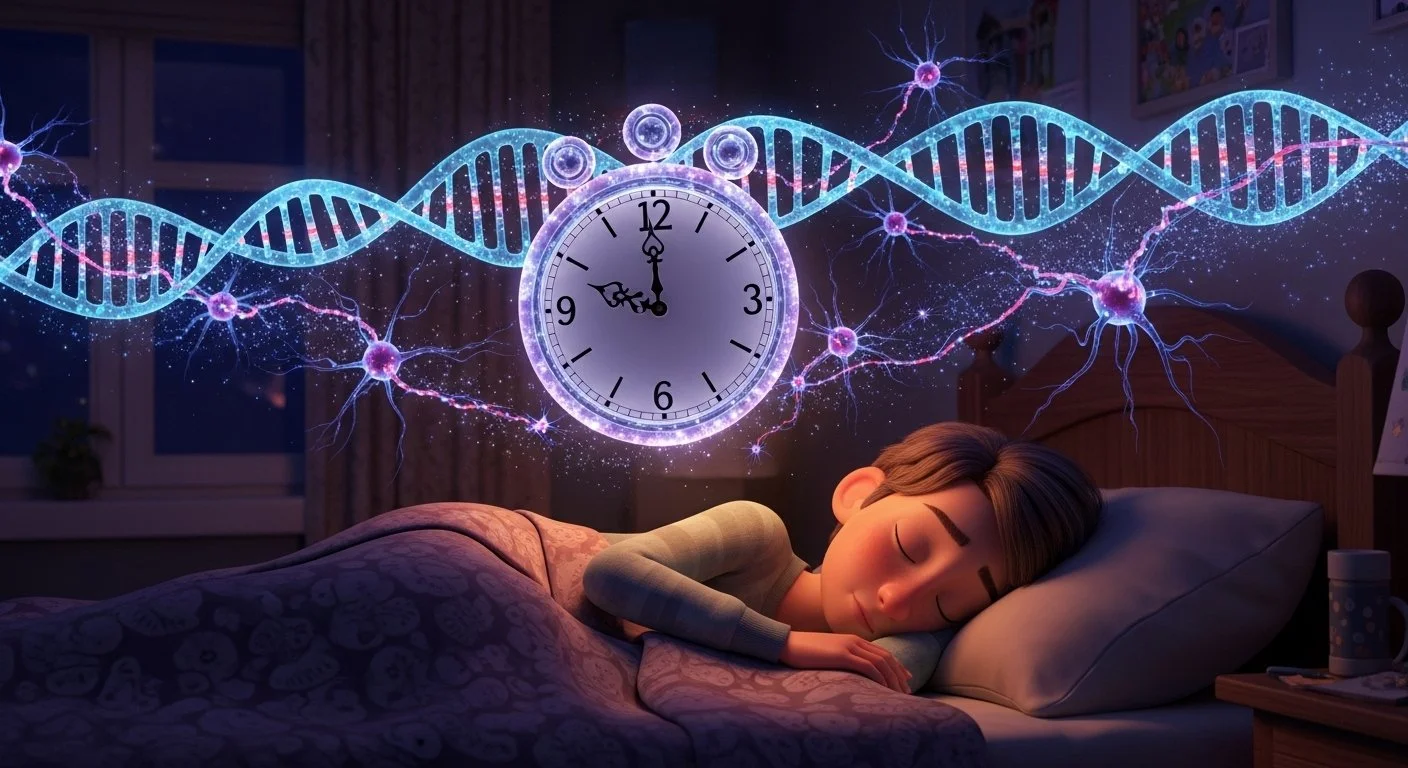
Hidden Biology in Teen Sleep
Discover how sleep deprivation in teenagers is fueling the modern mental health crisis. This article breaks down the science of "social jetlag," the brain’s nightly cleaning process, and why teen biology makes early school start times so unhealthy to their minds.