When ADHD Doesn’t Sleep.
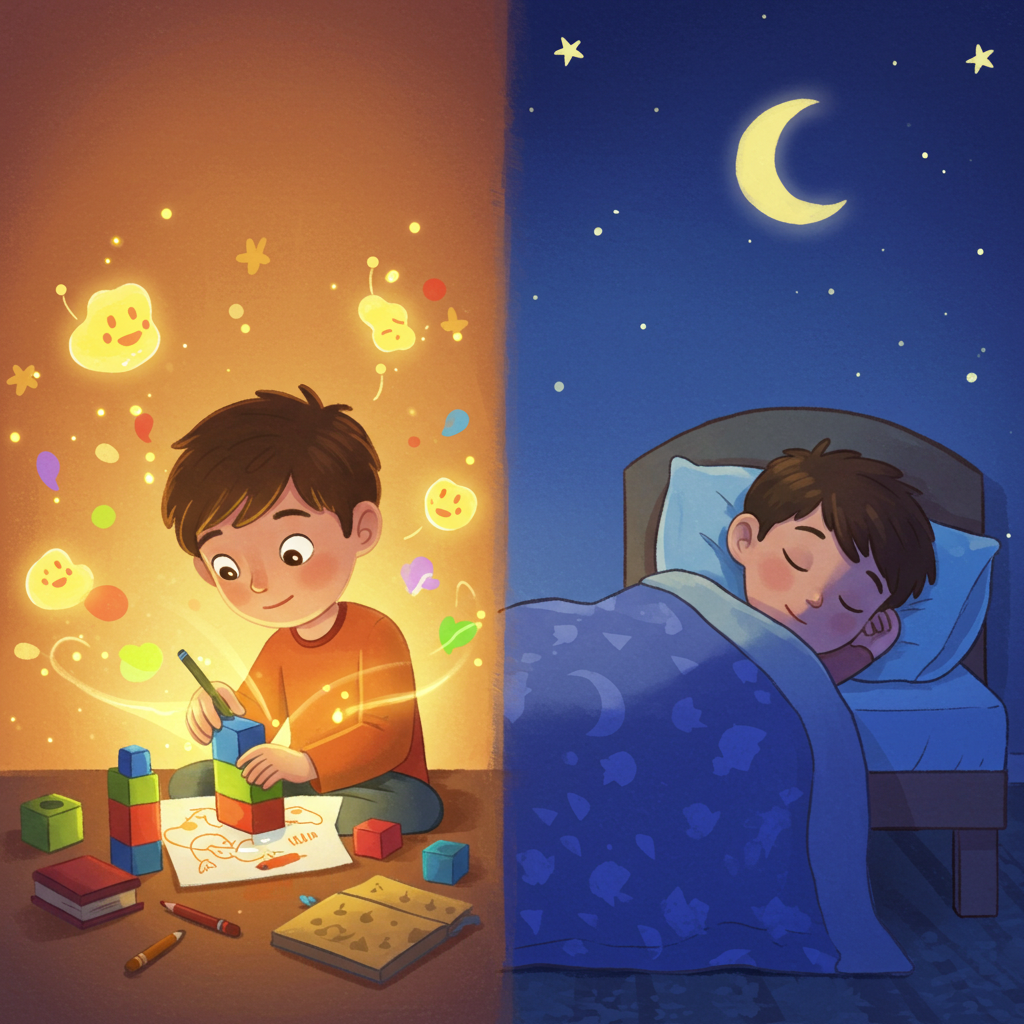
Attention-Deficit/Hyperactivity Disorder (ADHD) is widely known for its disruptive effects on focus, impulsivity, and daytime energy. But for millions of people worldwide, the impact of ADHD doesn't stop when the lights turn off. Instead, its symptoms intertwine with persistent sleep struggles, setting up a frustrating, self-perpetuating cycle that can severely impair the quality of life.
If you have ADHD, you’re not alone in this fight. Individuals with ADHD traits frequently report higher rates of insomnia, daytime sleepiness, reduced sleep efficiency, and increased sleep latency—the sheer time it takes to finally drift off. This isn't just uncomfortable; poor sleep can actually mimic or intensify ADHD symptoms, leading to greater distraction, emotional volatility, and difficulty with everyday functioning.
Why Your Brain Refuses to Wind Down
If sleep feels like an optional app your brain simply refuses to close, there are several key reasons rooted in how ADHD affects nighttime processing.
The Hyperactive Mindset
One of the most significant hurdles is pre-sleep arousal. Many with ADHD experience intense cognitive and somatic arousal right before bed. This means racing thoughts, often about personal life, or simply feeling mentally "on" and unable to switch off. This unmanaged mental hyperactivity significantly delays sleep onset and perpetuates insomnia symptoms. Your mind, which struggles to filter input during the day, finds the quiet of the night the perfect stage for a spontaneous thought opera.
The Delayed Internal Clock
The natural inclination of many people with ADHD is to be "night owls," a phenomenon called a delayed chronotype. This results in a delayed internal clock, where the body simply isn't ready to sleep at conventional hours. This circadian dysregulation is strongly linked to insomnia and can create a chronic sleep debt, pushing wake-up times—and the start of the next difficult day—later and later.
The Vicious Cycle
Beyond the brain's inability to wind down, issues with dopamine regulation and delayed circadian rhythms also play a role. To make matters worse, inadequate sleep intensifies ADHD symptoms—including executive dysfunction and emotional dysregulation—which in turn makes restorative sleep even harder to achieve. It’s a truly unfair loop.
Breaking the Cycle: Evidence-Based Solutions
The good news is that these sleep struggles are common, biologically grounded, and treatable. Addressing ADHD-related sleep requires a comprehensive approach, combining structure, behavioral strategies, and, sometimes, targeted supplements or medication adjustments.
Start with Structure and Routine
The foundation of better sleep is consistency. Establishing a predictable routine helps regulate your circadian rhythm and reduces cognitive arousal:
Fix Your Wake-Up Time: This is the most important anchor for your internal clock. Maintain a consistent wake time every single day, even on weekends. Sunlight exposure shortly after waking can also reinforce this anchor.
Schedule a Wind-Down: Don’t just wait until you’re tired. Build a dedicated 30 to 60-minute predictable pre-sleep routine. This should be a low-stimulation period—think reading a physical book or light stretching—and definitely avoid screens, as blue light disrupts melatonin production.
Use External Cues: For brains prone to forgetting or distraction, use alarms, checklists, or phone reminders to cue the start of your wind-down routine. Treat it like a non-negotiable appointment.
Behavioral Tools That Work
Cognitive Behavioral Therapy for Insomnia (CBT-I) is highly effective, especially when adapted for ADHD traits (e.g., using checklists or shorter modules). These techniques teach you how to manage those racing pre-sleep thoughts and break the arousal cycle. Mindfulness practices or journaling can also help process daytime worries, preventing them from spilling over into your bedroom.
When Supplements and Medications Are Needed (Consult a Clinician)
If behavioral changes aren't enough, talk to your provider about these evidence-backed options:
Magnesium: Unlike melatonin, which merely signals it's time for bed, magnesium works to calm the nervous system, reducing stress and anxiety. It can help the body and mind fully relax so you can stay asleep longer, making it a potentially powerful solution for racing thoughts and nighttime restlessness.
Melatonin: Low-dose melatonin is supported by evidence for use, particularly to shorten the time it takes to fall asleep (sleep onset latency) when a circadian delay is present.
Medication Timing: If you are taking ADHD stimulants, discuss the timing and dosage with your doctor. Optimized medication timing or switching formulations can sometimes improve daytime control and, consequently, reduce bedtime struggles.
Finally, remember that persistent sleep problems that cause severe daytime impairment may require a specialist consultation to rule out other disorders, like sleep apnea, which is also common in those with ADHD.
By prioritizing sleep health with consistent, evidence-based strategies, you can improve your focus, mood, and overall functioning, ultimately quietening the active mind that struggles to rest.
-
Demirkan, A. K., & Semiz, U. B. (2025). Investigating ADHD Symptoms and Sleep Disturbances in Young Adults: A Cross-Sectional Study. Nat Sci Sleep, 17, 979–988.
Nair, S., Deshpande, N., Hill, C., Cortese, S., Van Someren, E. J. W., & Chellappa, S. L. (2025). Associations of ADHD traits, sleep/circadian factors, depression and quality of life. BMJ Ment Health, 28(1), e301402.
Zhang, P., Liu, Y., Ma, Y., Zhao, T., Zhang, C., & Sun, H. (2025). Vitamin D insufficiency and sleep disturbances in children with ADHD. Front Psychiatry, 16, 1546692.