Toddler Sleep: Navigating the Transition
As infants become toddlers, sleep becomes a landscape of newfound independence and occasional resistance. This stage is defined by transitions—moving from cribs to beds, dropping naps, and battling the dreaded bedtime stall. We dive into the science of why toddlers need consistency and how a solid routine supports emotional regulation and the high-energy demands of a rapidly expanding world.

Flight Sleep Tips for Babies and Toddlers
Discover the science-based travel sleep tips to ensure a peaceful flight and quick jet lag recovery. This post explores the science of infant circadian rhythms, explaining how light exposure and feeding schedules can reset your child’s internal clock. Learn how to soothe your toddler on a plane and why "Anchor Hours" are the secret to stress-free travel. Start your vacation rested with these expert-approved strategies.
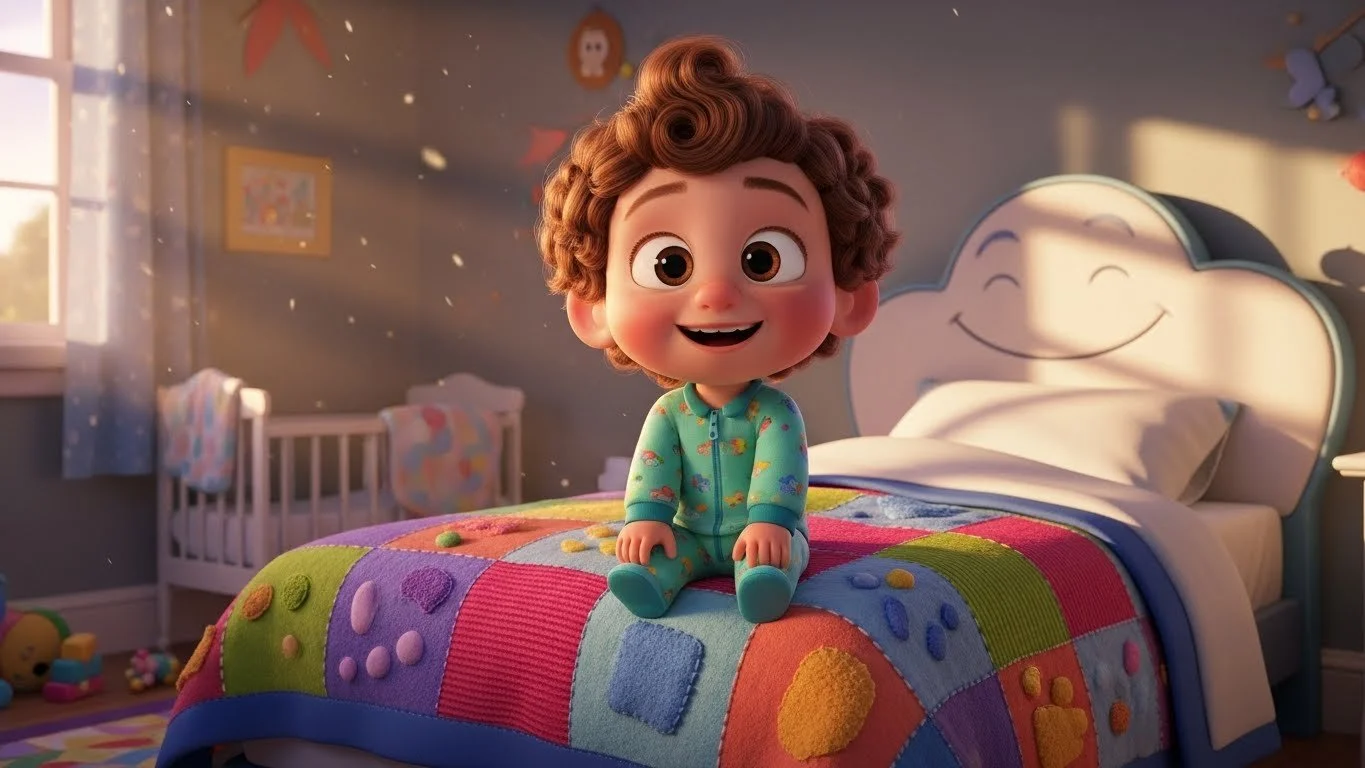
From Crib to Big Kid Bed: The Toddler Bed Transition
Master the toddler bed transition with our science-backed guide to ending bedtime battles. Learn why delaying the move from crib to bed can improve sleep quality and how to stop the "jack-in-the-box" effect using proven behavioral strategies. Discover the secrets of toddler brain development to help your child stay in bed all night long.
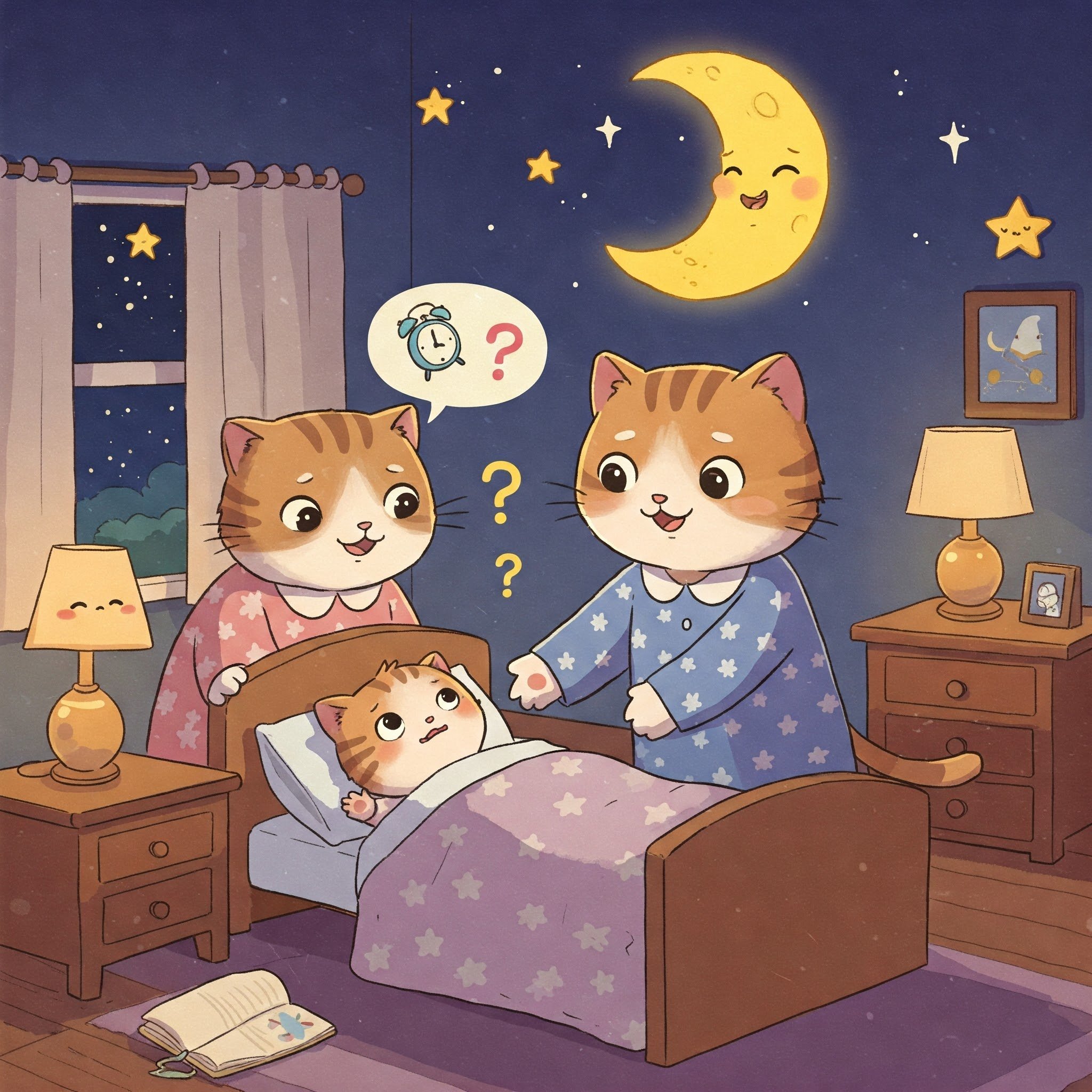
How to Win the War on Toddler Sleep Issues
From age one to five, sleep challenges switch from simple hunger to complex behavioral issues like separation anxiety and nap resistance. Get the science-backed strategies you need to master toddler sleep challenges.